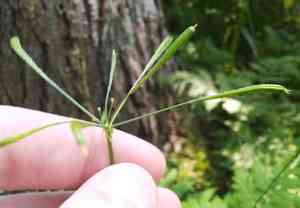
Sweet cicely (Osmorhiza aristata)
Also known as: Forest Sweet Cicely, Sweetroot
To observe sweet cicely (Osmorhiza aristata) in its natural environment, the ideal period is early summer when its small white flowers are in bloom, attracting insect pollinators. Look for it on subtropical highland slopes and along riverbanks. Its intricate leaves and pleasant fragrance also make it an attractive choice for naturalized gardens.
In This Article
Attributes of Sweet cicely
Lifespan
Perennial
Plant Type
Herb
Plant Height
25 cm to 70 cm
Spread
30 to 60 cm
Leaf Color
Green
Flower Size
2 to 4 mm
Flower Color
White
Images of Sweet cicely
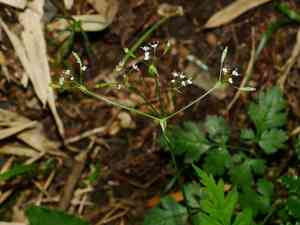
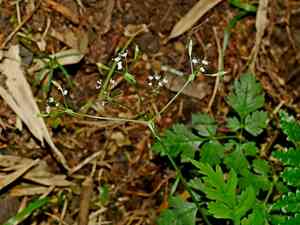
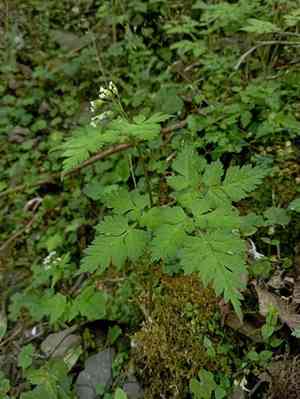
Quickly Identify Sweet cicely
1
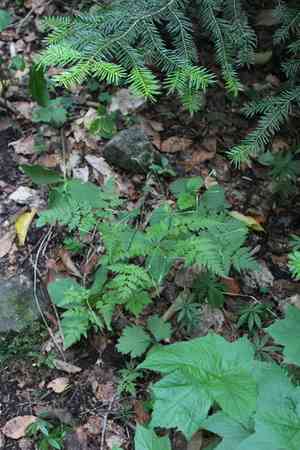
To identify Osmorhiza aristata, look for a plant with finely divided, fern-like leaves and clusters of small, white flowers. The plant typically grows in woodland areas and has a distinctive anise or licorice scent when the leaves or roots are crushed.
Scientific Classification of Sweet cicely
Phylum
Vascular plants
Class
Dicotyledons
Order
Apiales
Family
Umbellifers
Genus
Sweet cicelies
Species
Sweet cicely
Planting and Growing of Sweet cicely
Care Difficulty
Easy
Watering Schedule
Every 3 days
Sunlight Requirements
Partial sun
Sunshine Duration
6-12 hours
Ideal Temperature
50-77℉
Soil Type
Potting Mix, Peat Mix
Soil pH
6.5-7.5
Fertilizer Type
Balanced
Pruning Season
Spring, Summer
Pruning Area
Branches, Leaves
Pruning Frequency
2 times a year
Repotting Season
Spring
Pot Type
Plastic, Terracotta
 How to Water Sweet cicely?
The optimal watering amount for Osmorhiza aristata should be around 500 milliliters per session. It is important to water until the topsoil is moist, but not soggy. The roots of this plant require a consistent level of moisture, which can be achieved by ensuring the soil is evenly watered. Overwatering can lead to poor root health, so avoid creating standing water in the pot.
What are the symptoms of an underwatered Sweet cicely?
›
What should I do if my Sweet cicely is not getting enough water?
›
What are the symptoms of an overwatered Sweet cicely?
›
How to save an overwatered Sweet cicely?
›
 What Are the Sunlight Requirements for Sweet cicely?
Osmorhiza aristata flourishes in partial sunlight conditions. This ideal light range supports balanced photosynthesis, preventing undue stress and promoting lush growth. Optimal sun exposure is essential for maintaining healthy and vibrant foliage.
Optimal Sun Exposure
›
Solutions for Ideal Light
›
Effects of Ideal Light
›
 What Is the Ideal Temperature Range for Sweet cicely?
The ideal temperature range for Osmorhiza aristata is between 50°F and 77°F. This ensures optimal growth and development, as temperatures within this range facilitate efficient photosynthesis and nutrient uptake.
 What Soil is Best for Sweet cicely?
Osmorhiza aristata thrives in well-drained soil that prevents waterlogging which can harm the roots. This kind of soil ensures that the roots have adequate oxygen and grow healthy, fostering robust growth and vigorous development. A nutrient-rich soil provides essential minerals and elements that promote strong growth. Compost or organic fertilizers can be mixed in to enhance fertility, helping the plant to flourish and produce vibrant foliage. The soil should maintain moderate moisture levels as excessive dryness can stunt growth. Mulching can help in retaining moisture, thus providing a constant and hydrated environment conducive for the plant.
 How to Fertilize Sweet cicely?
For Osmorhiza aristata, it's essential to use a balanced fertilizer, typically containing equal parts of nitrogen, phosphorus, and potassium (such as a 10-10-10 formula). For liquid fertilizers, use about 1/4 to 1/2 teaspoon per gallon of water. For granular slow-release fertilizers, a single application of around 1 ounce per square foot should suffice.
 How to Prune Sweet cicely?
Begin by sterilizing your pruning tools with rubbing alcohol or a solution of bleach and water. This helps to prevent any potential spread of disease. Gently assess the plant for dead or damaged stems and leaves, which can be pruned away to promote healthy growth. Identify the natural shape you desire for your Osmorhiza aristata and prune to enhance this contour. Make crisp, clean cuts at a 45-degree angle to allow for optimal healing and directional growth. Focus on thinning out overcrowded areas to improve air circulation.
More About Pruning Techniques→
 How to Propagate Sweet cicely plant?
1
Ensure you collect mature seeds from healthy plants. Clean and dry the seeds adequately to prevent mold and store them in a cool, dry location until ready for planting.
2
Fill the seed trays with potting mix and sow the seeds evenly on the surface. Cover them lightly with more potting mix and gently water them to avoid displacing the seeds.
3
Place the seed trays in a warm location with indirect sunlight. Maintain consistent moisture levels by regularly misting the surface or using a humidity dome.
 How to Repot Sweet cicely plant?
1
Look for signals like roots growing out of the drainage holes or the plant looking stunted despite adequate care. These indicate it's time for a new pot. Spring or early autumn are ideal, as the temperatures are milder and the plant can establish itself without stress.
2
Select a pot that is 2 inches larger in diameter than the current one. Ensure it has multiple drainage holes to prevent water-logging, as poor drainage can lead to root rot. A terracotta pot is advisable because it allows the soil to breathe and moisture to evaporate.
3
Choose a rich, well-draining potting mix that may include organic matter like compost. This supports root health by providing sufficient nutrients and allows excess water to drain, reducing the risk of overwatering and fungus development.
Learn More About Sweet cicely Diseases
Anthracnose
Bacterial Leaf Spot
Bacterial Soft Rot
Bacterial Wilt
Chemical Injury
Crown Gall
Cyst Nematode
Damping-off
Downy Mildew
Drought Stress
Fusarium Wilt
Gray Mold
Leaf Spot
Mosaic
Nutrient Deficiency
Nutrient Toxicity
Powdery Mildew
Root Rot
Root-knot Nematode
Rusts
Sooty Mold
Spider Mites
Temperature Stress
Thrips Damage
White Mold



