How to Prune Sweet cicely?
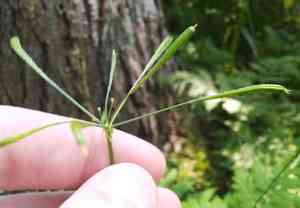
Recognized for its fern-like leaves and fragile blossoms, sweet cicely flourishes with limited trimming to preserve its form and stimulate robust development. Snip off spent blooms in summer to inhibit self-propagation. Reduce dense sections in spring to enhance air circulation, making sure incisions are at a 45-degree incline to facilitate rapid recovery. Consistent elimination of lifeless or injured stalks is beneficial, fostering strong specimens and sustaining aesthetic value. Implement these procedures during the spring and summer periods for peak outcomes.
What Are the Benefits of Pruning Sweet Cicely?
What Are the Benefits of Pruning Sweet Cicely?
Trimming sweet cicely promotes robust development and maintains its desired form. Strategic cuts eliminate dead or weak branches, fostering healthier leaves and stems. This routine care helps sweet cicely flourish, enhancing its decorative value in the garden.
What Is the Best Time for Pruning Sweet Cicely?
What Is the Best Time for Pruning Sweet Cicely?
Trimming sweet cicely in late Spring and early Summer aligns well with its growth cycle, aiding in plant health and vitality. Post-winter pruning helps remove any dead or damaged tissue from the plant and stimulates new growth as the plant exits its dormancy phase. Pruning before the peak of Summer allows gardeners to shape sweet cicely before the plant invests heavily in flourishing and seeding. During this period, sweet cicely is actively growing, which means it can recover more efficiently from pruning stress and wounds can heal more quickly. Seasonal timing for pruning is critical to ensure that the plant does not waste resources on areas that will be trimmed and can instead direct its energy towards healthy growth and reproduction.
What Tools Do I Need to Prune Sweet Cicely?
Hand Pruners
For cutting individual stems of sweet cicely, hand pruners offer precision and ease of handling. Opt for bypass pruners for clean cuts that encourage healthy regrowth.
Pruning Shears
Highly effective for trimming thinner stems and removing spent flowers from sweet cicely. Their blades allow for detailed work without harming adjacent stems.
Garden Scissors
While not as sturdy as pruners, garden scissors can be used for light trimming and shaping of sweet cicely. Useful for deadheading and cutting back soft foliage.
How to Prune Sweet Cicely
Clean tools
Before trimming sweet cicely, sanitize your pruning tools with isopropyl alcohol or a bleach solution to prevent disease transmission.
Diseased leaves
Identify and carefully remove any leaves showing signs of illness. Use sharp, clean shears to cut them at their base, where they meet the stem, without harming healthy parts.
Withered leaves
Look for leaves that have dried up or died. Snip them off cleanly at their base to encourage new growth and improve air circulation within sweet cicely.
Diseased stems
Locate stems that appear diseased, noting any discoloration or unusual swelling. Cut these stems back to a healthy section, ensuring the cut is made just above a leaf node or bud.
Cleanup
After pruning sweet cicely, remove all trimmed material from the area to reduce the chance of disease spreading and to keep the garden tidy.
Common Pruning Mistakes with Sweet Cicely
Over pruning
Removing too much foliage at once can stress sweet cicely, leading to weakened plants that are more susceptible to diseases and pests.
Wrong technique
Using an improper cutting technique, such as tearing or making jagged cuts, can damage sweet cicely's stems, which hinders healing and promotes disease.
Disregarding health
Pruning without assessing the plant's health can result in removing healthy growth instead of just dead or diseased stems, which is detrimental to sweet cicely.
Tool misuse
Using dull or unclean tools can introduce pathogens and make it harder for sweet cicely to recover from cuts.
Neglecting shape
Failing to consider the natural shape of sweet cicely during pruning might result in a less aesthetically pleasing appearance and can also impede the plant's growth pattern.
Common Pruning Tips for Sweet Cicely
Clean cuts
Make sure to use sharp, sterilized pruning shears to make clean cuts on sweet cicely that heal quickly, reducing the risk of disease.
Remove dead
Regularly remove dead or dying foliage to maintain sweet cicely's health and vigor, which in turn promotes better air circulation throughout the plant.
Thin crowds
Thin out crowded areas to increase light penetration and airflow, which helps reduce the chance of fungal issues in sweet cicely.
Prune for health
Focus on cutting back diseased or damaged stems first, as this encourages sweet cicely to produce fresh, healthy growth.
Consider growth
When pruning, think about the direction in which you want new growth to occur. Only prune above a bud facing the outside of the plant to help sweet cicely maintain its natural shape.



