How to Transplant Delavay Teaolive?
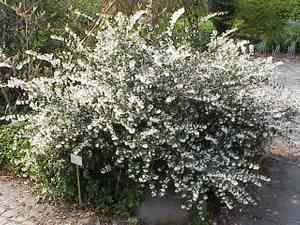
Delavay Teaolive flourishes when relocated from early to late spring or mid to late autumn, allowing for superior root development. Select a location that receives full sun or partial shade and features soil that drains effectively. After transplanting, guarantee steady hydration for optimal outcomes.
What Preparations are Needed Before Transplanting Delavay Teaolive?
What is the Ideal Time for Transplanting Delavay Teaolive?
Move delavay Teaolive during early to late spring or mid to late autumn. These periods provide mild temperatures and adequate moisture, reducing stress and encouraging steady root development. Transplanting in these seasons helps delavay Teaolive adapt well to its new spot, leading to better growth and resilience. Optimal conditions support healthy progress, giving this perennial a strong start.
How Much Space Should You Leave Between Delavay Teaolive Plants?
When relocating delavay Teaolive, position each plant 6-8 feet (1.8-2.4 meters) apart. This ensures ample room for growth and nutrient access without competition from neighboring plants.
What is the Best Soil Mix for Delavay Teaolive Transplanting?
For delavay Teaolive, select well-draining soil enriched with organic material. Prepare the soil by blending in compost or a balanced base fertilizer to supply essential nutrients.
Where Should You Relocate Your Delavay Teaolive?
Delavay Teaolive thrives in full sun to partial shade. Choose a spot that receives at least 6 hours of sunlight daily, with some afternoon shade if possible.
What Equipments Should You Prepare Before Transplantation Delavay Teaolive?
Gardening Gloves
To safeguard your hands while handling soil and plants.
Shovel or Spade
For excavating around the plant and preparing the new planting site.
Garden Fork
Aids in loosening soil around roots and positioning the plant.
Watering Can or Hose
To hydrate the plant before and after its relocation.
Pruners
For trimming damaged or excess roots and branches.
Wheelbarrow
Helpful if you're moving the plant a considerable distance.
Mulch
To assist in retaining moisture around the newly transplanted plant.
How Do You Remove Delavay Teaolive from the Soil?
How Do You Remove Delavay Teaolive from the Soil?
From Ground: First, moisten the delavay Teaolive plant's soil. Then, dig a wide trench around the plant with a shovel or spade, ensuring the root ball stays intact. Carefully work the spade beneath the root ball to lift the plant from its original spot.From Pot: Thoroughly water the delavay Teaolive plant. Gently tap the pot's sides to loosen soil and roots. Carefully slide the plant out, supporting the stem's base.From Seedling Tray: Water the seedling tray to dampen the soil. Use a small garden fork or your fingers to gently lift the seedling, taking care to keep the root ball whole.
Step-by-Step Guide for Transplanting Delavay Teaolive
Prepare the New Hole
Dig a hole in the new location that is twice as wide and equally deep as the delavay Teaolive's root ball.
Remove the Plant
Carefully extract the delavay Teaolive using the appropriate method for its initial spot, ensuring the root ball remains undamaged.
Planting
Place the delavay Teaolive in the hole's center. Adjust its depth so the root ball's top is level with the surrounding soil. Fill the hole halfway with soil and water to eliminate air pockets, then fill the rest with soil.
Firm the Soil
Gently press the soil around the delavay Teaolive's base to stabilize it. Avoid compacting the soil too much, as this can hinder root growth.
Water Thoroughly
Water the newly transplanted delavay Teaolive extensively to help settle the soil and encourage root establishment.
Apply Mulch
Spread a layer of mulch around the delavay Teaolive's base to help retain soil moisture and regulate soil temperature. Keep the mulch a few inches away from the stem to prevent rot.
How Do You Care For Delavay Teaolive After Transplanting?
Watering
Keep the soil around the delavay Teaolive consistently moist, but not waterlogged, for the initial weeks post-transplant to aid in strong root development.
Pruning
Remove any damaged leaves or branches to lessen plant stress and help it focus on root growth.
Monitoring
Regularly check the delavay Teaolive for signs of stress, such as wilting or yellowing foliage, and modify care as needed.
Troubleshooting Common Issues with Delavay Teaolive Transplantation.
When is the best time to transplant delavay Teaolive?
The optimal period for relocating delavay Teaolive is early to late spring or mid to late autumn.
How far apart should I space delavay Teaolive plants?
Space delavay Teaolive plants 6-8 feet (1.8-2.4 meters) apart for optimal development.
What should the hole depth be for transplanting delavay Teaolive?
Excavate a hole that is twice as wide and as deep as the root ball.
How do I prepare the soil for delavay Teaolive transplant?
Enrich the soil with organic matter to ensure proper drainage and nutrient supply.
How do I reduce transplant shock for delavay Teaolive?
Water delavay Teaolive deeply immediately after transplanting and maintain consistent moisture levels.
What type of soil is best for delavay Teaolive?
Well-draining, loamy soil enriched with compost is ideal for delavay Teaolive.
Should I prune delavay Teaolive before or after transplanting?
Lightly prune delavay Teaolive after transplanting to reduce stress and stimulate new growth.
Can delavay Teaolive be transplanted in summer?
Avoid summer transplanting for delavay Teaolive as high temperatures can cause severe transplant shock.
How often should I water delavay Teaolive after transplanting?
Water delavay Teaolive regularly, keeping the soil consistently moist but not waterlogged for the first few weeks.
What should I do if delavay Teaolive shows signs of wilting after transplanting?
Ensure adequate watering, temporarily reduce direct sunlight exposure, and check root health.



