How to Transplant Cat's whiskers?
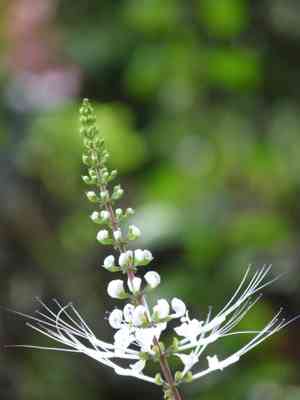
The most favorable period for relocating cat's whiskers is during the warmer days of late spring or early summer, which allows for proper root establishment. Select a location that receives ample sunlight and has soil that drains effectively. Should it be necessary, slowly introduce cat's whiskers to outdoor environments to minimize transplant stress.
Essential Preparations Before Relocating Cat's Whiskers
Optimal Timing for Cat's Whiskers Relocation?
The best period to move cat's whiskers is from mid-spring to early summer. This timeframe allows roots to establish firmly before intense heat. Shifting cat's whiskers during this revitalizing season benefits from milder weather, encouraging strong development and lessening transplant stress. You'll give cat's whiskers an excellent start in its new spot when the soil is warm and inviting, yet the days aren't excessively hot â it's the gentle encouragement cat's whiskers needs to flourish.
Recommended Spacing Between Cat's Whiskers Plants?
When preparing to transplant your cat's whiskers, ensure a distance of approximately 2-3 feet (60-90 cm) between each plant. This provides ample room for individual growth without competing for resources. Remember, a strong beginning is crucial for cultivating healthy cat's whiskers!
Ideal Soil Blend for Cat's Whiskers Transplanting?
For transplanting your cat's whiskers, select loamy or sandy soil types as they improve water drainage. Enhance it with a foundational fertilizer rich in nitrogen, phosphorus, and potassium. This guarantees a robust base for your cat's whiskers to thrive.
Where to Replant Your Cat's Whiskers?
Your cat's whiskers will flourish in full sun or partial shade. Locate a spot in your garden that receives abundant morning sunlight. Excessive hot midday sun can cause stress to your plants. Enjoy your gardening!
Tools Required Before Transplanting Cat's Whiskers
Gardening Gloves
To safeguard your hands while handling the plant and soil.
Transplanting Trowel
It's compact and useful for digging around roots and lifting the plant.
Watering Can with a Gentle Sprayer
Used for thoroughly watering the plant before and after its relocation.
Garden Spade
If the plant is in the ground, you'll need this to excavate a hole for the new plant.
Compost
To enrich soil quality and supply nutrients to the cat's whiskers plant.
Method for Extracting Cat's Whiskers from Soil?
Method for Extracting Cat's Whiskers from Soil?
From Ground: Thoroughly water the cat's whiskers plant to facilitate its removal. Use the transplanting trowel to dig around the plant, ensuring you capture as much of the root ball as possible. Gently lift the plant from its original position.From Pot: Water the plant well and lightly compress the pot's sides to loosen the soil. Carefully tilt the pot and ease the plant out, taking care not to harm the stem or roots.From Seedling Tray: Employ a small utensil like a spoon or stick to carefully lift the cat's whiskers from the seedling tray, making sure to include as much of the root system as possible.
Step-by-Step Guide for Relocating Cat's Whiskers
Preparation
Prepare the site where you will replant the cat's whiskers. The depth should be roughly twice the root ball's size.
Transplanting
Position the cat's whiskers into the hole, ensuring the top of the root ball is level with the ground.
Final Touches
Backfill around the plant with soil and fresh compost, gently pressing to secure the plant.
Watering
Thoroughly water the cat's whiskers after transplanting to aid its establishment in the new spot.
Post-Transplant Care for Cat's Whiskers?
Water Management
The cat's whiskers plant prefers consistently moist, but not waterlogged, soil. Water the plant frequently for the initial weeks after transplanting. Afterward, you can reduce watering based on current weather conditions. Prune regularly to encourage new shoot growth and remove any dead or damaged plant parts. Regularly check for pests and diseases, and address them with biological treatments. The cat's whiskers plant may take a few weeks to properly establish and resume growth; this is a normal process!
Resolving Common Issues with Cat's Whiskers Transplantation.
What is the best season to transplant cat's whiskers?
The ideal time to move cat's whiskers is from late spring to early autumn (S2-S4).
What spacing should be maintained while transplanting cat's whiskers?
Ideally, keep a distance of 2-3 feet (approximately 0.6-0.9 meters) between each cat's whiskers when transplanting. This ensures ample room for them to spread.
How deep should I dig the hole for transplanting cat's whiskers?
The hole should be sufficiently deep and wide to accommodate the root ball of cat's whiskers. As a general guideline, aim for twice the size of the root ball.
Should I water cat's whiskers immediately after transplanting?
Absolutely! Watering cat's whiskers right after transplanting helps settle the soil around the roots and minimizes transplant shock.
Why are my transplanted cat's whiskers wilting?
Wilting after transplant is normal as cat's whiskers experiences transplant shock. However, if wilting persists, it might indicate improper planting, incorrect watering, or a pest or disease issue.
How to prevent shock to cat's whiskers during transplanting?
Minimize root exposure to the air. Also, ensure cat's whiskers is well-hydrated before and after transplantation. Avoid transplanting cat's whiskers in extreme weather conditions.
What kind of soil is ideal for transplanting cat's whiskers?
Cat's whiskers thrives in well-draining soil with organic matter. Ensure the soil pH is mildly acidic to neutral for its optimal growth.
Do I need to add fertilizer when transplanting cat's whiskers?
Adding a slow-release fertilizer provides cat's whiskers with a nutrient boost, aiding in faster establishment and growth. Avoid high nitrogen fertilizers to prevent leafy growth at the expense of flowers.
Does cat's whiskers need a sunny location post-transplant?
Yes, cat's whiskers prefers a spot that receives abundant sunlight. Planting cat's whiskers in a shaded area might result in leggy growth and fewer flowers.
Should I prune cat's whiskers before or after transplanting?
Pruning before transplanting can reduce water loss and stress to the plant. However, only prune cat's whiskers heavily if it is mature and healthy.



