How to Propagate Cat's whiskers?
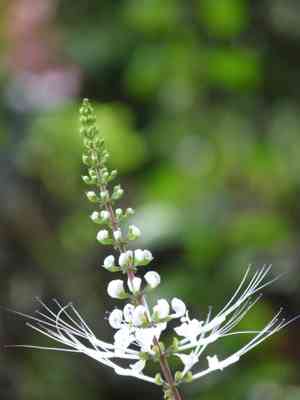
Hailing from the Lamiaceae botanical group, cat's whiskers is a persistent herbaceous plant characterized by its unique blossoms, frequently cultivated for decorative appeal or therapeutic applications. Effective multiplication of cat's whiskers predominantly relies on utilizing cuttings, which ought to be harvested from robust, uninfected source plants. Apical cuttings prove most successful, requiring a segment of the non-blooming stalk possessing multiple leaves. These segments must be situated in a substrate that drains efficiently or a rooting compound, kept damp, and exposed to sufficient yet diffused solar exposure to encourage root formation. Sustaining moisture levels surrounding the cuttings can accelerate the rooting procedure.
Optimal Period for Cat's Whiskers Propagation
Propagation Method
Cutting
Propagation Season
Spring,Summer
Tools Required for Cat's Whiskers Propagation
Sharp Pruning Shears
Crucial for obtaining clean, precise cuttings from cat's whiskers. Keen blades ensure a smooth cut, minimizing harm to the parent plant and boosting the likelihood of successful rooting in the cutting. Clean cuts help prevent disease and stress for cat's whiskers.
Rooting Hormone
This chemical compound stimulates root development from cat's whiskers cuttings. Applying a rooting hormone to the cut end of the cutting prior to planting aids in increasing the probability of successful root formation, vital for the viability of new cat's whiskers plants.
Sterile Potting Mix
Offers a clean, pathogen-free environment for cat's whiskers cuttings to establish roots. A well-draining mix supports appropriate moisture retention around the cutting, essential for root initiation and growth without causing rot or fungal diseases.
Propagation Trays
Utilized to arrange and maintain multiple cat's whiskers cuttings within a contained setting. These trays assist in sustaining consistent soil moisture and temperature, key elements for encouraging rooting in cat's whiskers.
Clear Plastic Covers
Generates a mini-greenhouse effect over cat's whiskers cuttings in propagation trays. The cover helps maintain elevated humidity and stable temperatures, both crucial for fostering root growth in cat's whiskers cuttings.
How to Propagate Cat's Whiskers?
Propagation Type
Easy
Caring for Your Newly Propagated Cat's Whiskers
Caring for Your Newly Propagated Cat's Whiskers?
Once cat's whiskers has developed roots, gradually introduce the plant to less humid conditions by removing the plastic cover over a week. Transplant the rooted cutting into a larger pot with similar well-draining soil and position it in a spot with bright, indirect light. Water cat's whiskers regularly but allow the soil to dry slightly between waterings. Fertilize with a balanced liquid feed every four to six weeks during the growing season. Avoid overwatering to prevent root rot and ensure good air circulation to deter fungal issues.
Common Errors to Avoid When Propagating Cat's Whiskers
Insufficient Cutting Preparation
Cuttings taken from cat's whiskers should be healthy and robust. Utilizing weak or diseased cuttings can lead to poor root development and low survival rates.
Excessive Watering of Cuttings
Too much moisture can result in fungal growth and root rot in cat's whiskers cuttings. This error can kill the new plants before they have a chance to establish.
Disregarding Humidity for Cuttings
Cat's whiskers cuttings require high humidity to root effectively. A lack of a proper humid environment can cause the cuttings to dry out and perish.
Poor Soil Conditions
Using dense or poorly draining soil can be problematic as cat's whiskers prefers well-draining, fertile soil. Poor soil can lead to waterlogging and impede root development.
Neglecting Light Requirements
Cat's whiskers cuttings and seedlings need adequate light to grow but also require protection from intense direct sunlight, which can harm tender growth.
Tips For Propagating Cat's Whiskers
Healthy Parent Stock
Ensure the parent plant is free from disease and robust to increase the chances of successful rooting in cat's whiskers.
Proper Cutting Technique
Use a sharp, clean tool to make cuttings for cat's whiskers. This guarantees a clean cut that heals quickly and reduces the risk of infection.
Manage Moisture Levels
Keep the soil consistently moist but not waterlogged to provide optimal conditions for cat's whiskers roots to develop.
Use a Humidity Dome or Cover
Maintaining high humidity around cat's whiskers cuttings can be achieved by using a clear dome or plastic cover, which helps prevent moisture loss.
Optimal Soil Mix
Use a well-draining soil mix rich in organic matter, which will support healthy root growth and overall vigor in cat's whiskers.
Adequate Light Provision
Provide bright, indirect light for cat's whiskers cuttings and seedlings, which will help prevent etiolation and promote strong, healthy growth.



