How to Prune Cat's whiskers?
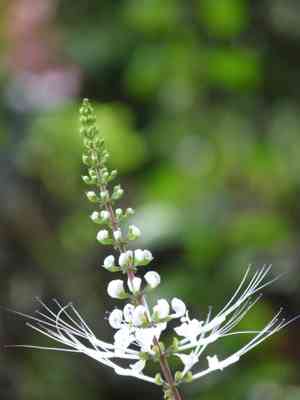
Celebrated for its therapeutic qualities and decorative charm, cat's whiskers, featuring its slender, delicate blossoms, flourishes with consistent upkeep. Key trimming techniques involve removing faded flowers, shortening elongated stalks to stimulate denser development, and eliminating any impaired or ailing leaves. Optimally, trimming should occur in early spring, summer, or autumn to align with periods of active development. This meticulous pruning boosts plant strength, encourages abundant flowering, and assists in preserving a tidy, compact shape. Frequent snips are especially beneficial, cultivating a robust, visually appealing plant.
What Are the Benefits of Pruning Cat's Whiskers?
What Are the Benefits of Pruning Cat's Whiskers?
Pruning cat's whiskers offers advantages by stimulating bloom production, fostering more robust development, and maintaining a compact, appealing shape. Consistent trimming ensures cat's whiskers stays healthy and visually attractive.
What Is the Best Time for Pruning Cat's Whiskers?
What Is the Best Time for Pruning Cat's Whiskers?
Pruning cat's whiskers in late Spring is ideal for removing any branches damaged by cold and for shaping the plant before its vigorous Summer growth. This timing minimizes plant stress and promotes healthier, more vibrant foliage. Early Summer pruning can boost flowering by encouraging cat's whiskers to produce new growth, potentially leading to additional blooming cycles. Given cat's whiskers's rapid growth during warmer months, this period is suitable for size management and removing spent flowers. Early Fall pruning should be light, focusing on tidying up any straggly growth from Summer to prepare the plant for dormancy, ensuring cat's whiskers maintains a desirable form through Winter. However, heavy pruning should be avoided to prevent new shoots from being damaged by early frosts.
What Tools Do I Need to Prune Cat's Whiskers?
Hand Pruners
Perfect for trimming and shaping cat's whiskers, as they allow precise control over cuts, essential due to the delicate nature of the plant's stems.
Bypass Pruners
Recommended for making clean cuts on the soft, herbaceous stems of cat's whiskers, preventing tissue crushing and promoting healthier regrowth.
Pruning Shears
Useful for deadheading spent blooms and light shaping of cat's whiskers, as the plant benefits from regular removal of old flowers to encourage continuous blooming.
Gloves
Essential for protecting hands from scratches and irritation when working with cat's whiskers, which may have small spines or sharp edges on its stems.
How to Prune Cat's Whiskers
Clean And Sharpen Tools
Before pruning cat's whiskers, sterilize pruning shears with alcohol to prevent disease spread and ensure they are sharp for clean cuts.
Remove Diseased Leaves
Carefully inspect cat's whiskers and remove any leaves showing disease symptoms. Cut the leaf stem as close to the main stem as possible without causing damage.
Trim Withered Leaves
Identify and trim off withered or dead leaves from cat's whiskers, snipping at the base of the leaf stem to encourage healthy growth and improve air circulation.
Prune Withered Flowers
Snip off withered flowers of cat's whiskers just below the flower head to encourage new blooms and prevent the plant from expending energy on seed production.
Shape Plant
Shape cat's whiskers by selectively pruning overgrown branches and stems to maintain the desired structure and size, being careful not to remove more than one-third of the plant at once.
Common Pruning Mistakes with Cat's Whiskers
Over-Pruning
Removing too much of cat's whiskers's foliage can shock the plant, weaken it, or stunt its growth. It is crucial to prune only what is necessary, typically no more than one-third of the plant at a time.
Cutting Too Close
Making cuts too close to the main stems or bud nodes can damage cat's whiskers and hinder new growth. Always cut at a safe distance from these crucial points, allowing for healthy regrowth.
Using Dull Tools
Pruning cat's whiskers with dull or unclean tools can tear stems or introduce diseases. Sharp, clean pruning shears are vital for clean cuts that heal quickly.
Ignoring Plant Shape
Randomly cutting branches without considering cat's whiskers's natural growth pattern can result in uneven and aesthetically unpleasing growth. Itâs important to maintain the plantâs natural shape while pruning.
Neglecting Dead Or Diseased Material
Failing to remove dead, diseased, or damaged foliage can impede cat's whiskers's vitality and leave it susceptible to further disease or pest infestation.
Common Pruning Tips for Cat's Whiskers
Selective Thinning
Remove specific branches to enhance light penetration and air circulation, which will promote cat's whiskers's overall health and reduce disease risk.
Cut At An Angle
Make pruning cuts at a 45-degree angle about 1/4 inch above a leaf node or bud to encourage cat's whiskers to grow more branches and flower more profusely.
Prune For Rejuvenation
Cutting back old growth and spent flowers on cat's whiskers can revitalize the plant, stimulating new growth and leading to more vigorous flowering.
Disinfect Tools
Clean and disinfect pruning tools before and after use to prevent the spread of disease pathogens to or from cat's whiskers.
Regular Maintenance
Periodically check cat's whiskers for dead, diseased, or damaged branches and remove them promptly to maintain plant health and appearance.



