How to Transplant Twist spine prickly pear?
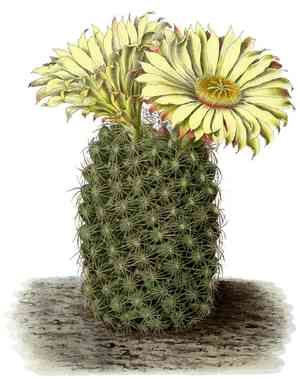
The optimal period for relocating twist spine prickly pear is from late spring to early summer, facilitating robust root development before its dormant phase. Select locations with good drainage, mimicking its natural habitat, and exercise caution during handling to prevent root damage.
What Preparations are Needed Before Transplanting Twist Spine Prickly Pear?
What is the Ideal Time for Transplanting Twist Spine Prickly Pear?
The optimal period for relocating twist spine prickly pear is from late spring to early summer. This timing allows the plant to establish its root system before intense heat arrives. Transplanting during this season maximizes the plant's growth potential, ensuring it benefits from moderate temperatures and stable conditions. By selecting this timeframe, you provide twist spine prickly pear with an excellent head start, utilizing mild weather to minimize transplant shock and enhance root development for a flourishing garden addition. Remember, gentle care and precise timing can lead to robust, healthy growth in your twist spine prickly pear!
How Much Space Should You Leave Between Twist Spine Prickly Pear Plants?
When positioning your twist spine prickly pear, ensure a gap of 1-2 feet (approximately 30-60 cm) between each specimen. This provides ample room for growth without competition for nutrients. A measuring tape can be used to mark these distances.
What is the Best Soil Mix for Twist Spine Prickly Pear Transplanting?
Your twist spine prickly pear will flourish in soil that drains well and has a slightly acidic pH. Incorporate a slow-release granular fertilizer into the base of your planting hole. This will provide the plant with a beneficial nutrient boost as it acclimates to its new environment.
Where Should You Relocate Your Twist Spine Prickly Pear?
Select a site that receives full sunlight for your twist spine prickly pear. It thrives in bright conditions! Direct sun exposure for at least six hours daily will be perfect. Observing the sun's path throughout the day can help pinpoint the ideal location.
What Equipments Should You Prepare Before Transplantation Twist Spine Prickly Pear?
Gardening Gloves
To safeguard your hands when handling spiny plants such as twist spine prickly pear.
Shovel or Spade
Crucial for excavating holes to replant the twist spine prickly pear, and also useful for managing soil.
Pruning Shears
For trimming and maintaining your twist spine prickly pear plant both before and after relocation.
Garden Fork
Used to carefully loosen the soil surrounding the plant in its original spot.
Bucket or Wheelbarrow
To move the plant from its initial location to the new transplanting site.
Watering Can or Hose
For thoroughly watering the plant post-transplant to aid in root establishment.
How Do You Remove Twist Spine Prickly Pear from the Soil?
How Do You Remove Twist Spine Prickly Pear from the Soil?
From Ground: Start by hydrating the twist spine prickly pear plant to lessen stress and facilitate removal. Use a garden fork to gently loosen the soil around the plant, being careful not to harm the roots. Once the soil is loose, you can carefully lift the plant.From Pot: Again, begin by watering the plant. Turn the pot on its side and gently extract the plant, ensuring you hold it by its base. If the plant is stuck, tap the sides of the pot to dislodge it.From Seedling Tray: Water the twist spine prickly pear seedlings thoroughly. Then gently grasp the base of the seedling and lift it, making sure to secure the root ball. Avoid pulling the plant by its stems or leaves as this can easily damage it.
Step-by-Step Guide for Transplanting Twist Spine Prickly Pear
Safety Measures
Always wear gardening gloves when handling twist spine prickly pear to protect your hands from its sharp spines.
Prepare the site
Use your shovel to dig a hole that is twice as wide and equally deep as the root ball of your twist spine prickly pear.
Plant
Carefully position the twist spine prickly pear in the hole, ensuring the top of the root ball is level with the surrounding ground.
Fill
Back-fill the hole with soil, gently compacting it around the plant's base.
Water
Water the plant deeply enough so that the moisture reaches the root zone. This helps the soil settle around the roots and eliminates air pockets.
Observation
Closely monitor your plant for the initial few days for any indications of transplant shock, such as wilting or leaf drop.
How Do You Care For Twist Spine Prickly Pear After Transplanting?
Watering
Be sure to maintain consistent watering for your twist spine prickly pear, allowing the top inch of soil to dry out between irrigation sessions.
Pruning
Any dead or decaying pads can be removed with pruning shears to encourage new growth and preserve the plant's health.
Pest Control
Regularly inspect your plant for pests. If observed, they can be removed manually or with a strong spray of water. If pest issues persist, consider using an insecticidal soap.
Regular Checkups
Keep a close watch on your twist spine prickly pear plant, looking for any signs of diseases or pests. Early detection is crucial for managing potential problems.
Troubleshooting Common Issues with Twist Spine Prickly Pear Transplantation.
What's the best time of the year to transplant my twist spine prickly pear?
The optimal time to relocate your twist spine prickly pear is during the moderate transition periods between peak and off-peak seasons, ideally the second to fourth season.
How far apart should I space my twist spine prickly pear plants when transplanting?
It's advisable to provide a spacing of approximately 1-2 feet (30-60 cm) between each twist spine prickly pear. This allows ample room for each plant to develop.
What type of soil should I use for transplanting twist spine prickly pear?
Twist spine prickly pear thrives in sandy or gravelly soils. Ensure this type of soil is well-draining to prevent water retention, which could harm your plant.
Can I transplant twist spine prickly pear in a pot?
Absolutely. Potted twist spine prickly pear can flourish indoors. Just ensure you use a well-draining soil mix and a pot with adequate drainage holes.
What are the warning signs that my transplanted twist spine prickly pear isn't doing well?
Warning signs might include wilted or discolored pads, or a drooping plant. Inspect for pests or root rot if you notice any of these symptoms.
Why are the pads on my twist spine prickly pear turning yellow after transplanting?
Yellowing often indicates overwatering. Allow the soil to dry out completely between watering. Remember, twist spine prickly pear is adapted to arid conditions, and too much water could damage it.
How do I water my newly transplanted twist spine prickly pear?
Water your twist spine prickly pear thoroughly after transplanting, then let the soil dry completely before watering again. This will prevent root rot and maintain your plant's health.
My transplanted twist spine prickly pear has a wound forming, what should I do?
If your twist spine prickly pear sustains a wound, allow it to air dry at room temperature for a few days to form a callus over the injury. This prevents bacterial invasion.
If the stem of twist spine prickly pear turns soft after transplanting, what does it mean?
A soft stem could indicate overwatering leading to root rot. Let the soil dry out, and consider re-transplanting if the condition persists.
Can I use cuttings from twist spine prickly pear to transplant?
Indeed! Cut a pad from twist spine prickly pear, let it callus for a few days at room temperature, then plant it in well-draining soil.



