How to Propagate Twist spine prickly pear?
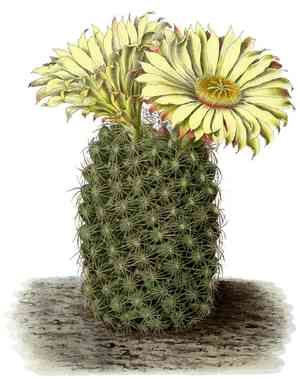
Twist spine prickly pear flourishes when reproduced from sections, an effective method for starting new plants. For successful root development, sever a piece and permit the severed edge to desiccate and harden over several days, facilitating recovery and lowering the chance of decay. After preparation, insert into a porous soil blend, keeping the substrate barely damp until roots emerge, since this variety is susceptible to excessive moisture during this period. Consistent, diffused illumination encourages peak development.
Optimal Time for Twist Spine Prickly Pear Propagation
Propagation Type
Cutting
Propagation Season
Spring,Summer
Tools Required for Twist Spine Prickly Pear Propagation
Sharp Knife or Pruning Shears
A keen knife or pruning shears are vital for cleanly severing segments from twist spine prickly pear. These implements facilitate precise cuts without crushing plant tissues, which is key to preventing infection and ensuring rapid healing of cut surfaces. The cleanliness and sharpness of the tool are paramount to minimize damage and encourage successful rooting.
Rubbing Alcohol or Disinfectant
Prior to making any cuts on twist spine prickly pear, it's crucial to sanitize the cutting instruments with rubbing alcohol or an appropriate disinfectant. This measure prevents the introduction of pathogens that could cause decay or disease in the fresh cuts. Sterilization ensures the health and viability of the cuttings during the rooting process.
Rooting Hormone (Optional)
Applying a rooting hormone to the severed ends of twist spine prickly pear can boost root development and increase the likelihood of successful propagation. Rooting hormones contain chemicals that mimic natural growth substances, stimulating root growth more quickly than untreated cuttings.
Cacti-Specific Potting Mix
Utilizing a well-draining soil blend formulated for cacti and succulents is essential when potting twist spine prickly pear cuttings. This specialized mix prevents water retention around new roots, reducing the risk of root rot and fungal diseases, common in poorly drained soils.
Tweezers or Tongs
Given the spiny nature of twist spine prickly pear, employing tweezers or tongs when handling cuttings helps avoid injuries from the plant's spines. This tool is crucial for safely positioning cuttings in the potting mix without harming both the plant and the handler.
Method for Propagating Twist Spine Prickly Pear
Propagation Type
Easy
Post-Propagation Care for Twist Spine Prickly Pear
Post-Propagation Care for Twist Spine Prickly Pear
Following propagation, position twist spine prickly pear in an area receiving ample indirect sunlight. Gradually expose it to more direct sun to prevent sunburn. Continue to water sparingly, increasing frequency slightly during the growing season, but ensure the soil dries completely between waterings. Fertilize during the growing season with a cactus-specific fertilizer to promote healthy growth and blooming. Monitor for pests like mealybugs and treat promptly if observed.
Common Errors to Avoid During Twist Spine Prickly Pear Propagation
Overwatering
Supplying excessive water to twist spine prickly pear can lead to root rot, as this species is adapted to arid environments. Excess moisture around the roots can create an anaerobic environment detrimental to health, reducing the plant's ability to absorb nutrients effectively.
Using non-sterile tools
Cutting twist spine prickly pear for propagation with unsterilized tools can introduce pathogens, leading to infections at the cut sites. This can severely impede root development or result in the death of the propagation material.
Ignoring light conditions
Placing twist spine prickly pear in insufficient light after propagation impacts its ability to photosynthesize effectively, slowing growth and weakening the new plants.
Inappropriate soil mix
Using a soil mix that lacks proper drainage can retain too much moisture around twist spine prickly pear's roots. A poorly draining soil mix can worsen issues with overwatering and lead to root rot.
Advice for Propagating Twist Spine Prickly Pear
Use cactus-specific soil
Employing a well-draining cactus mix will support twist spine prickly pear's need for a dry, well-ventilated root environment. This will help mimic the natural arid conditions the plant thrives in.
Provide ample light
Ensuring twist spine prickly pear receives plenty of sunlight during its active growing periods will facilitate better energy production and healthier growth, crucial for newly propagated plants.
Water moderation post-propagation
Water newly propagated twist spine prickly pear sparingly, allowing the soil to dry out between waterings to support root health and prevent maladies such as root rot.
Sterilize cutting tools
Sterilizing tools before cutting twist spine prickly pear for propagation will help prevent the transmission of diseases to the fresh cuts, promoting healthier and more successful propagation.



