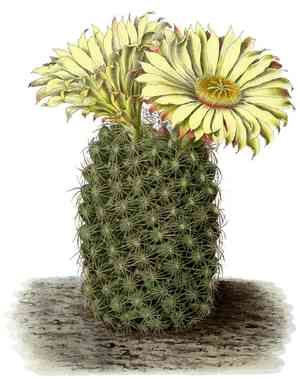
Twist spine prickly pear (Opuntia macrorhiza)
Also known as: Plains prickly pear, Tuberous prickly pear, Starvation prickly pear, Plains twistspine pricklypear
Opuntia macrorhiza, also known as the twist spine prickly pear, is native to the Great Plains and various regions across the United States and northern Mexico. It is often grown as an ornamental cactus.
In This Article
Attributes of Twist spine prickly pear
Lifespan
Perennial
Plant Type
Succulent
Plant Height
15 cm to 30 cm
Spread
80 cm
Leaf Color
Green
Flower Size
2 to 3 inches
Flower Color
Yellow Red
Images of Twist spine prickly pear
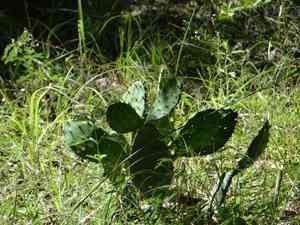
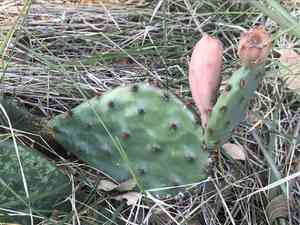
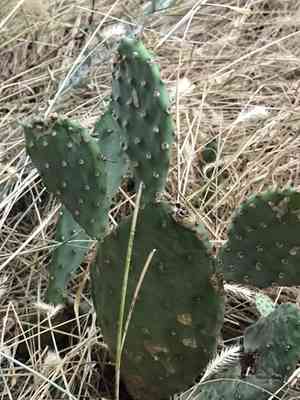
Quickly Identify Twist spine prickly pear
1
Fleshy, oval to round pads, 2-6 inches (5-15 cm) long
2
Yellow flowers, 2-3 inches (5-7.5 cm) in diameter with red/orange eye
3
Succulent, elongated oval fruit, up to 4 inches (10 cm) in length
4
Dark green, oval to circular pads with needle-shaped spines
5
Flattened, pad-like cladodes with barbed glochids, 0.5-1 inch (1.3-2.5 cm) thick
Scientific Classification of Twist spine prickly pear
Phylum
Vascular plants
Class
Dicotyledons
Order
Caryophyllales
Family
Cactuses
Genus
Prickly pear
Species
Twist spine prickly pear
Planting and Growing of Twist spine prickly pear
Care Difficulty
Easy
Watering Schedule
Every 2 days
Sunlight Requirements
Full sun
Sunshine Duration
4-6 hours
Ideal Temperature
60-75℉
Soil Type
Potting Mix, Peat Mix
Soil pH
6.5-7.5
Fertilizer Type
Balanced
Pruning Season
Spring, Summer
Pruning Area
Branches, Leaves
Pruning Frequency
2 times a year
Repotting Season
Spring
Pot Type
Plastic, Ceramic
 How to Water Twist spine prickly pear?
Opuntia macrorhiza, or the plains prickly pear, thrives with careful watering. Ensure each watering reaches 250 ml, allowing the soil to absorb moisture until it's damp but not soaked. This cactus appreciates a gentle watering that permits slow percolation, avoiding root saturation and potential rot.
What are the symptoms of an underwatered Twist spine prickly pear?
›
What should I do if my Twist spine prickly pear is not getting enough water?
›
What are the symptoms of an overwatered Twist spine prickly pear?
›
How to save an overwatered Twist spine prickly pear?
›
 What Are the Sunlight Requirements for Twist spine prickly pear?
Opuntia macrorhiza thrives in full sun environments, ideally receiving 6-8 hours of light. This condition propels its growth, allowing it to flower abundantly and maintain proper pad formation.
More About Sunlight Requirements Techniques→
What is the ideal lighting for Opuntia macrorhiza?
›
How can you achieve ideal lighting conditions?
›
What benefits does ideal lighting bring to Opuntia macrorhiza?
›
 What Is the Ideal Temperature Range for Twist spine prickly pear?
The ideal temperature range for Opuntia macrorhiza, commonly known as the plains prickly pear, is between 60-75°F. This range ensures optimal conditions for growth and blooming, favoring a warm and sunny environment typical to its native habitat.
 What Soil is Best for Twist spine prickly pear?
Opuntia macrorhiza thrives best in well-drained soils that prevent water from pooling around its roots. This helps avoid root rot, a common issue with cacti when exposed to excessive moisture, ensuring a robust and healthy plant. This cactus species excels in nutrient-poor soils, mimicking its natural habitat conditions. Less rich soil helps prevent over-fertilization, which can lead to excessive growth that's often weaker and more susceptible to pests and diseases. While Opuntia macrorhiza prefers a neutral pH, it tolerates slightly alkaline conditions, allowing it to adapt to varied landscapes without compromising its health. This flexibility ensures the plant can thrive in diverse environments.
 How to Fertilize Twist spine prickly pear?
Opuntia macrorhiza needs a balanced approach to fertilization. Use half-strength liquid fertilizer once a month during the growing season. For granular options, opt for a slow-release type applied sparingly, about 2 times a year, to avoid nutrient burn due to the plant's adaptation to nutrient-poor soils.
 How to Prune Twist spine prickly pear?
Start by identifying the pads that look unhealthy or have sustained damage. Look for discoloration, softness, or signs of pest infestation as indicators for removal. Slide your shears or knife at the joint where the pad connects to the main stem. Make a clean cut to avoid tearing the pad, which can result in an unsightly scar on the cactus. If the cactus has grown too densely, thin out some of the pads to promote aeration and light penetration. This prevents fungal growth and ensures a healthier cactus overall. After pruning, dispose of the pruned pads properly. They can be used for propagation or discarded in a compost if they are free from pests and diseases.
 How to Propagate Twist spine prickly pear plant?
1
Harvest seeds from ripe fruits of Opuntia macrorhiza. Ensure the fruits are slightly overripe for the best seed quality. Extract and clean seeds thoroughly to remove pulp residues.
2
Select healthy pad segments from the parent plant. Use a sharp knife to cut pads at joints. Allow cuttings to dry and form calluses, which takes about a week.
3
Sow seeds in well-draining soil mix or place callused cuttings on the surface. Water sparingly to avoid rot and provide indirect sunlight until the plants establish themselves.
 How to Repot Twist spine prickly pear plant?
1
Opuntia macrorhiza should be repotted when you notice roots growing out of the drainage holes or the top growth becoming stunted and top-heavy. Another sign is the soil's inability to dry out properly, indicating a compacted root system that needs more space. Ideally, repot during active growth phases in spring or summer.
2
Select a pot that is slightly larger than the current one, with at least one drainage hole to prevent waterlogging. Ceramic or terracotta pots are excellent as they allow for better breathability and moisture evaporation, crucial for preventing root rot in cacti like Opuntia macrorhiza.
3
Opt for a well-draining cactus soil mix, composed of sand, perlite, and a small amount of organic matter. This composition ensures excess water drains swiftly, reducing the risk of fungal diseases and root rot, common issues in heavier soils.



