How to Transplant Common tree daisy?
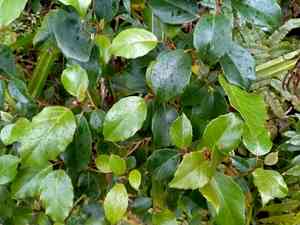
The most favorable period for transplanting common tree daisy is the revitalizing span from the beginning to the end of spring, allowing the plant to establish itself amidst the season's gentle climate. Select a location offering abundant sunlight and soil that drains effectively to foster vigorous development.
What Preparations are Needed Before Transplanting Common Tree Daisy?
What is the Ideal Time for Transplanting Common Tree Daisy?
The perfect time for relocating common tree daisy spans from the refreshing start of early spring through the vibrant end of late spring. This period offers prime conditions for growth. Moving common tree daisy during this flourishing season aligns with the natural growth cycle of perennials, fostering strong root development and adaptation in new spots before summer's heat. A friendly tip: mild temperatures and spring moisture create an inviting environment for common tree daisy to thrive in its new home!
How Much Space Should You Leave Between Common Tree Daisy Plants?
When preparing to transplant your common tree daisy, ensure each plant has ample room to thrive. Aim for a spacing of approximately 1.5-2 meters (4.9-6.6 feet). This will provide each common tree daisy sufficient area to expand and grow.
What is the Best Soil Mix for Common Tree Daisy Transplanting?
Prior to transplanting common tree daisy, it's crucial to prepare the soil. Well-draining soil is optimal. Incorporate some compost or a balanced, slow-release fertilizer to nourish your common tree daisy. This will aid in establishing robust roots.
Where Should You Relocate Your Common Tree Daisy?
Select a sunny location for your common tree daisy transplant, as they enjoy basking in sunlight. A spot receiving full sun to partial shade is ideal. Ensuring your common tree daisy gets at least 6 hours of daily sunlight will promote vigorous growth.
What Equipments Should You Prepare Before Transplantation Common Tree Daisy?
Shovel or Spade
For excavating around and beneath the root ball of common tree daisy.
Gardening Gloves
To safeguard your hands while handling soil and plants.
Watering Can or Hose
To hydrate common tree daisy before and after relocation.
Wheelbarrow or Tarp
For moving common tree daisy from its original spot to the new planting site.
Pruning Shears
To trim any damaged or excessively long roots or branches.
Soil Amendment (if needed)
To enrich the soil at the new location.
Mulch
To help retain soil moisture and regulate soil temperature post-transplant.
Stakes or Plant Supports (if needed)
To provide stability to common tree daisy in its new environment.
How Do You Remove Common Tree Daisy from the Soil?
How Do You Remove Common Tree Daisy from the Soil?
From Ground: First, moisten the common tree daisy plant to soften the soil, making it easier to manage. Use a shovel or spade to dig a wide trench around the plant, trying not to disturb the root ball. Gently work the tool under the root ball to carefully lift and separate common tree daisy from the ground.From Pot: Water the common tree daisy thoroughly. Tilt your pot sideways and gently tap it to loosen the root ball. Support the plant by its base and slowly guide it out of the pot, being careful not to harm the stem or roots.From Seedling Tray: Gently press from below the tray to release the common tree daisy seedling. Be sure to support the root ball as you remove it to prevent any damage to the young roots.
Step-by-Step Guide for Transplanting Common Tree Daisy
Preparation
Gather all necessary tools and materials for transplanting common tree daisy. Ensure the new planting site is ready before beginning the transplant process. Wear gardening gloves to protect your hands during the activity.
Removing common tree daisy
Depending on whether common tree daisy is being moved from the ground, a pot, or a seedling tray, follow the specific removal instructions. Handle the root ball with care to minimize stress on the plant.
Transplanting Hole
Dig a hole in the new location that is twice as wide and the same depth as the root ball of common tree daisy. Amend the soil if necessary before placing the plant.
Positioning common tree daisy
Place common tree daisy in the center of the hole, ensuring it's at the same soil level as it was in its original spot. The transition should be as smooth as possible for the plant.
Refill
Carefully backfill the hole with soil, gently firming it down as you go to eliminate large air pockets. Water common tree daisy well to help settle the soil around the roots.
Mulching
Apply a layer of mulch around the base of common tree daisy, keeping it a few inches away from the stem to prevent rot. Mulch will help maintain moisture and regulate soil temperature.
Supporting
If common tree daisy is tall or top-heavy, use stakes or other supports to stabilize it. Make sure not to damage the root system while inserting any support into the ground.
How Do You Care For Common Tree Daisy After Transplanting?
Watering
Keep the soil around common tree daisy consistently moist, especially during the initial weeks after transplantation to ensure proper root development. Avoid overwatering to prevent root rot.
Observation
Monitor common tree daisy for signs of transplant shock, which may include wilting leaves or slowed growth. Continue observation to detect any potential issues early.
Stabilization
Ensure stakes or supports remain firm, particularly after windy conditions or heavy rain. Adjust them as needed if common tree daisy shows signs of leaning or instability.
Pruning
If any branches or leaves were damaged during transplantation, prune them to help common tree daisy focus its energy on re-establishing its roots rather than repairing above-ground parts.
Feeding
Refrain from fertilizing common tree daisy immediately after transplanting to avoid burning the roots. Begin a regular feeding regimen a few months after the transplant once the plant has established.
Troubleshooting Common Issues with Common Tree Daisy Transplantation.
When is the best time to transplant common tree daisy for successful growth?
Transplant common tree daisy from early to late spring, to allow roots ample time to establish before summer's heat.
How far apart should I space common tree daisy when transplanting?
Ensure common tree daisy has sufficient room to flourish by spacing them 5-6.5 feet (1.5-2 meters) apart.
How deep should the hole be for transplanting common tree daisy?
Dig a hole as deep as the root ball and twice as wide to provide a solid foundation.
What soil type is best for common tree daisy when transplanting?
Use well-draining soil rich in organic matter to promote healthy root development for common tree daisy.
Should I prune common tree daisy before transplanting?
Lightly prune common tree daisy to remove any dead or damaged branches and to encourage new growth.
How much should I water common tree daisy after transplanting?
Water common tree daisy generously after transplanting to settle the soil around the roots, then maintain consistent moisture.
What symptoms indicate transplant shock in common tree daisy?
Wilting, yellowing leaves, and stunted growth can be signs of transplant shock in common tree daisy.
How can I protect common tree daisy from sunburn after transplanting?
Provide temporary shade for common tree daisy on hot days until it's established, especially if transplanted later in spring.
Is it necessary to fertilize common tree daisy after transplanting?
Wait a few weeks before fertilizing common tree daisy to avoid burning new roots, then use a balanced fertilizer.
What should I do if common tree daisy has transplant stress?
Keep the soil around common tree daisy moist, provide shade, and avoid fertilizing until signs of recovery are evident.



