How to Prune Common tree daisy?
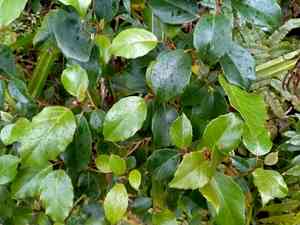
Perfect for creating screens and hedges, the common tree daisy is a sturdy evergreen featuring abundant leaves. Perform pruning during the winter season to sculpt and control its dimensions. Employ heading cuts to foster a denser habit by severing just above the points where leaves emerge. Removing older branches revitalizes development and allows light to reach the interior of the foliage, leading to a more vigorous specimen. Refrain from over-trimming to safeguard its inherent shape and capacity for blooming.
What Are the Benefits of Pruning Common Tree Daisy?
What Are the Benefits of Pruning Common Tree Daisy?
Trimming common tree daisy promotes robust development and maintains its form, ensuring a compact and appealing look while fostering healthy foliage and abundant blooms.
What Is the Best Time for Pruning Common Tree Daisy?
What Is the Best Time for Pruning Common Tree Daisy?
For common tree daisy, the optimal time to prune is in late winter, prior to the start of its active growth phase in early spring. This timing is vital as it prevents the removal of buds that would develop into the season's flowers, thereby not impacting the blooming period. Pruning in late winter when the plant is still dormant encourages a healthier growth cycle, allowing common tree daisy to recover from cuts and direct energy into producing new growth and blossoms in the subsequent season. Trimming during this period also minimizes stress on common tree daisy, as the plant's energy and resources are stored in its roots and lower sections, not in the leaves. Furthermore, pruning when the plant is dormant and leafless offers better visibility for gardeners to assess its structure and determine which branches require removal for shaping or to maintain health by eliminating diseased or damaged wood.
What Tools Do I Need to Prune Common Tree Daisy?
Hand Pruners
Common tree daisy possesses relatively small branches that hand pruners can manage effectively. They provide precise cuts essential for preserving the plant's health and form. Opt for bypass pruners for a clean cut that will aid the healing process.
Loppers
For slightly larger branches on common tree daisy that hand pruners cannot handle, loppers are the next suitable tool. They offer the necessary leverage to cut through thicker stems without harming the plant. This tool ensures you can maintain the structure of common tree daisy without straining your hands.
Pruning Saws
As common tree daisy matures and develops thicker branches, a pruning saw might be necessary. It enables cutting larger branches that hand pruners and loppers cannot manage. A fine-toothed saw is appropriate for making clean cuts on the wood without causing undue damage.
Hedge Shears
For shaping common tree daisy or maintaining a structured appearance, hedge shears are beneficial. They allow for trimming and shaping over a larger area with each cut, which is practical for managing the plant's size and form.
Pruning Gloves
Although not a cutting tool, pruning gloves are crucial for safeguarding your hands from scratches and sap when pruning common tree daisy. High-quality gloves help ensure a safe and comfortable pruning experience.
Secateurs
Similar to hand pruners, secateurs are useful for deadheading or shaping common tree daisy by cutting off small branches or excess growth. They enable close work on the plant and help encourage denser growth.
How to Prune Common Tree Daisy
Clean tools
Sanitize pruning shears or saws before use to prevent the spread of disease to common tree daisy.
Cut withered leaves
Carefully remove all dried leaves from common tree daisy at their base to encourage healthy growth and improve air circulation.
Remove dead branches
Identify and cut back dead branches on common tree daisy to their origin point or to a lateral branch, making clean cuts to prevent damage.
Prune diseased branches
Carefully eliminate any diseased branches from common tree daisy, cutting back to healthy wood well below the affected area.
Shape plant
After removing all unwanted parts, lightly shape common tree daisy to maintain a balanced structure, avoiding severe cuts that may stress the plant.
Common Pruning Mistakes with Common Tree Daisy
Overpruning
Removing too much foliage at once can stress common tree daisy, leading to stunted growth or reduced flowering. Aim to remove no more than a third of the plant at a time.
Using dull tools
Utilizing dull pruning tools can cause jagged cuts that are more susceptible to disease and pest infestation. It's important to use sharp, clean pruning shears for healthy cuts.
Neglecting diseased branches
Failing to first remove dead or diseased branches can allow problems to spread. Prioritize these areas before shaping the plant.
Improper cut location
Cutting too close to or too far from a bud can affect the health of common tree daisy and the direction of new growth. Make cuts just above buds at a 45-degree angle.
Pruning without a plan
Random or excessive cutting can result in an undesirable shape. Always plan the shape desired for common tree daisy before starting to prune.
Ignoring natural shape
Forcing common tree daisy into an unnatural shape can impede growth. Understand the plant’s natural form and prune to enhance it, rather than change it.
Common Pruning Tips for Common Tree Daisy
Sanitization
Regularly disinfect pruning tools before and after each use to prevent the spread of diseases between plants.
Thinning out
Thin out crowded areas to improve air circulation and light penetration, which are crucial for the health and flowering of common tree daisy.
Encouraging bushiness
Promote a bushier growth by pinching back the tips of young plants, as this encourages lateral branching.
Deadheading
Remove spent flowers to encourage the plant to produce more blooms and focus energy on healthy growth.
Selective pruning
Practice selective pruning by removing specific branches to shape and manage the size of common tree daisy, keeping the overall aesthetic in mind.
Aftercare
Water and, if necessary, feed common tree daisy after pruning to support recovery and new growth. Always provide adequate aftercare for best results.



