How to Transplant Pine barren whitetop aster?
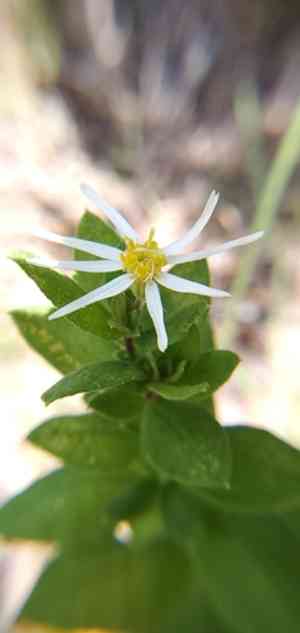
Pine barren whitetop aster thrives most effectively when relocated in mid-spring. Select a spot that receives full sun or partial shade and has soil that drains efficiently. Verify that the chosen area is clear of rival vegetation. This period facilitates optimal root development and vigorous expansion.
Essential Preparations Before Relocating Pine Barren Whitetop Aster?
Optimal Period for Relocating Pine Barren Whitetop Aster?
The best time for moving pine barren whitetop aster is from mid to late spring. During this timeframe, soil conditions and ambient temperatures are perfect for root establishment, promoting robust development. Transplanting then allows pine barren whitetop aster ample growing season to adapt and flourish before facing harsh summer heat or winter cold.
Recommended Spacing Between Pine Barren Whitetop Aster Plants?
When relocating pine barren whitetop aster, ensure each plant is positioned 12-18 inches (30-45 cm) apart. This provides sufficient room for healthy growth and prevents overcrowding.
Ideal Soil Blend for Pine Barren Whitetop Aster Relocation?
Prepare well-draining soil enriched with organic material for pine barren whitetop aster. You can incorporate a balanced base fertilizer to give your plants a strong start. A pH range of 6.0-7.0 is optimal for their development.
Preferred Location for Your Pine Barren Whitetop Aster?
Select a spot that receives full sun to partial shade for relocating pine barren whitetop aster. They thrive best in areas where they can get at least 4-6 hours of daily sunlight.
Necessary Tools for Pine Barren Whitetop Aster Transplantation?
Gardening Gloves
To safeguard your hands while handling soil and plants.
Shovel or Spade
For excavating around and lifting the plant from its initial spot.
Trowel
To assist with planting in the new location.
Bucket or Wheelbarrow
For moving the plant if required.
Watering Can or Hose
For hydrating the plant before and after relocation.
Pruning Shears
To trim any damaged or overgrown roots or foliage.
Mulch
To retain moisture and regulate soil temperature post-transplant.
How to Extract Pine Barren Whitetop Aster from the Ground?
How to Extract Pine Barren Whitetop Aster from the Ground?
From Ground: First, hydrate the pine barren whitetop aster to moisten the soil. Next, dig a wide trench around the plant using a shovel or spade, ensuring the plant's root ball remains intact. Carefully work the spade beneath the root ball to lift the plant from its original position.From Pot: Gently tap the pot's sides to loosen the soil. Carefully turn the pot sideways and slide the pine barren whitetop aster out, supporting the plant's base with your hand. Gently separate the roots if they are pot-bound.From Seedling Tray: Water the seedlings to dampen the soil. Use a small trowel to carefully lift each pine barren whitetop aster seedling from the tray, taking care to keep the roots intact and undisturbed.
Detailed Instructions for Relocating Pine Barren Whitetop Aster
Site Preparation
Before relocating, prepare the site by digging a hole that is twice as wide and equal to the depth of the pine barren whitetop aster's root ball.
Plant Removal
Follow the instructions under 'removal process' to carefully extract the pine barren whitetop aster from its initial spot.
Planting
Position the pine barren whitetop aster in the center of the prepared hole, ensuring the top of the root ball is level with the ground surface. Backfill the hole with soil, gently firming it around the roots.
Watering
Thoroughly water the pine barren whitetop aster immediately after planting to settle the soil around the roots.
Adding Mulch
Apply a layer of mulch around the base of the pine barren whitetop aster to help retain moisture and regulate soil temperature.
Post-Transplant Care for Pine Barren Whitetop Aster?
Watering
Keep the soil around the pine barren whitetop aster consistently moist, but not waterlogged, for the initial weeks after relocation to encourage strong root development.
Monitoring
Regularly inspect the pine barren whitetop aster for indications of stress or transplant shock, such as wilting or yellowing leaves.
Protection
In severe weather conditions, consider providing temporary shade or wind protection to help the pine barren whitetop aster adapt to its new surroundings.
Resolving Common Issues with Pine Barren Whitetop Aster Relocation.
When is the optimal time to relocate pine barren whitetop aster?
Mid to late spring is ideal for moving pine barren whitetop aster, ensuring better growth.
What is the recommended spacing for pine barren whitetop aster?
Space pine barren whitetop aster approximately 12-18 inches (30-45 cm) apart to promote healthy growth.
How should I prepare the soil for pine barren whitetop aster?
Use well-draining soil mixed with organic compost to prepare for pine barren whitetop aster's relocation.
What is the ideal planting depth for pine barren whitetop aster?
Plant pine barren whitetop aster at the same depth it was in its original container or ground.
How do I prevent damage to pine barren whitetop aster roots?
Be gentle when digging out pine barren whitetop aster, preserving the root ball to avoid damage.
What if pine barren whitetop aster wilts after relocation?
Water thoroughly and keep pine barren whitetop aster in a shaded area until it recovers.
How much water does pine barren whitetop aster need immediately after relocation?
Water pine barren whitetop aster well immediately after moving it to help it establish in its new spot.
Should I fertilize pine barren whitetop aster after relocation?
Wait a few weeks before fertilizing pine barren whitetop aster, allowing it to adjust to the new soil first.
How do I prevent transplant shock in pine barren whitetop aster?
Water adequately and avoid disturbing roots too much to minimize transplant shock in pine barren whitetop aster.
What if pine barren whitetop aster is not thriving after relocation?
Check for pests, ensure the soil is nutritious, and provide enough water to revive pine barren whitetop aster.



