How to Prune Pine barren whitetop aster?
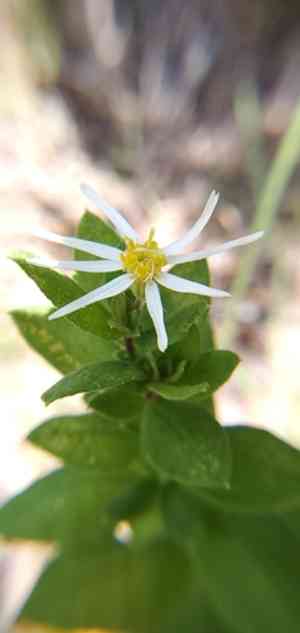
Pine barren whitetop aster is a perennial plant recognized for its fragile white blossoms and preference for sandy, acidic ground. Trimming ought to be performed in early spring or late winter, prior to the emergence of new shoots. Remove any lifeless or ailing stalks to preserve the plant's well-being and form. A light trim after flowering can foster a more compact structure. Consistent pruning additionally enhances air circulation, diminishing the likelihood of fungal infections. Consult reliable gardening resources for comprehensive pruning methods.
What Are the Benefits of Pruning Pine Barren Whitetop Aster?
What Are the Benefits of Pruning Pine Barren Whitetop Aster?
Trimming pine barren whitetop aster promotes robust development, helps maintain its form, and encourages lush foliage. By eliminating dead or diseased branches, you enhance air circulation, boost its resistance to pests and illnesses, and support overall plant vitality for abundant blooms.
What Is the Best Time for Pruning Pine Barren Whitetop Aster?
What Is the Best Time for Pruning Pine Barren Whitetop Aster?
Pruning pine barren whitetop aster in early spring or late winter is optimal as it aligns with the plant's dormant period. During this phase, pine barren whitetop aster exhibits minimal active growth, reducing stress and the potential for disease or pest infestation. Furthermore, pruning before the plant enters its active growth and flowering stage ensures vigorous and healthy regrowth, leading to enhanced blooming in the subsequent season. By trimming pine barren whitetop aster prior to new growth, gardeners can also better shape and maintain the plantâs structure, fostering a more robust and visually appealing display.
What Tools Do I Need to Prune Pine Barren Whitetop Aster?
Bypass Pruners
Perfect for making clean cuts on live stems, preventing damage and encouraging healthy regrowth in pine barren whitetop aster.
Loppers
Useful for severing thicker stems too large for bypass pruners, ensuring precise cuts without crushing pine barren whitetop aster branches.
Hand Pruning Saw
Suitable for removing larger, woody stems that cannot be managed by pruners or loppers, providing smooth cuts to lessen stress on pine barren whitetop aster.
Sterilizing Solution
Crucial for cleaning tools before and after pruning to prevent the spread of any potential diseases.
How to Prune Pine Barren Whitetop Aster
Inspect
Carefully examine pine barren whitetop aster to identify any diseased or withered leaves before proceeding with pruning. Look for signs such as discoloration, spots, or shriveled appearance.
Prepare tools
Sanitize pruning shears with a mixture of one part bleach to nine parts water to prevent the spread of disease during pruning.
Trim diseased
Cut away any diseased leaves first, making the cut just above the point where the leaf meets the stem. Dispose of the removed material well away from pine barren whitetop aster to avoid contamination.
Trim withered
Remove withered leaves by cutting them as close to the base as possible. Ensure the cuts are clean and precise to encourage healthy regrowth.
Disinfect
After trimming, clean and disinfect pruning tools again to prevent any residual disease from affecting other plants.
Common Pruning Mistakes with Pine Barren Whitetop Aster
Over-pruning
Removing excessive foliage at once can weaken pine barren whitetop aster and hinder growth and flowering. This can also expose the plant to pests and diseases due to the larger wounds.
Incorrect technique
Improper cutting methods, such as tearing or using dull tools, can damage the stems and branches, leading to poor regrowth and increased vulnerability to diseases.
Pruning at the wrong time
Not respecting the required season for pruning may result in reduced blooming and impaired health of pine barren whitetop aster, as the plant might not have enough time to recover.
Common Pruning Tips for Pine Barren Whitetop Aster
Use sharp, clean tools
Always use sharp and clean pruning shears to make precise cuts and minimize the risk of infection. Disinfect tools before and after use to prevent the spread of disease.
Make clean cuts
Ensure that cuts are smooth and even, just above a leaf node or lateral branch. This promotes faster healing and reduces the risk of disease entry.
Remove dead or diseased parts first
Begin by cutting away any dead, damaged, or diseased stems and leaves. This helps in redirecting the plantâs energy towards healthy growth.
Maintain the natural shape
Avoid drastic changes to pine barren whitetop asterâs natural form. Light pruning to maintain shape and remove overcrowded branches is usually sufficient.
Encourage airflow
Thin out congested areas to improve airflow within the plant, which can help reduce the likelihood of fungal infections and improve overall plant health.



