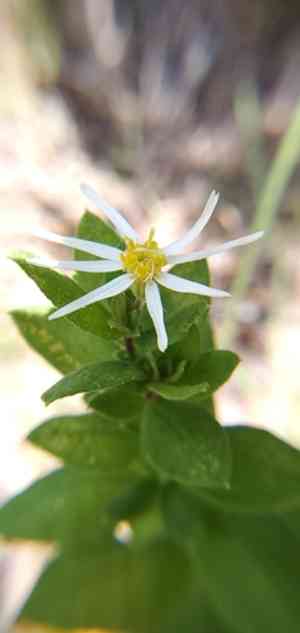
Pine barren whitetop aster (Oclemena reticulata)
Also known as: Pinebarren aster
The pine barren whitetop aster (Sericocarpus asteroides) is a perennial plant notable for its white flowers with yellow centers and hairy stems. Typically growing to a height of 1-2 feet, it features leaves with a distinct net-veined pattern. This species thrives in dry, sandy soils often found in pine barrens and open woodlands, preferring well-drained conditions and full to partial sunlight. The plant is well-suited to environments periodically influenced by fire, which helps maintain its open habitat.
In This Article
Attributes of Pine barren whitetop aster
Lifespan
Perennial
Plant Type
Herb
Plant Height
30-90 cm
Spread
30-60 cm
Leaf Color
Green
Flower Size
3-5 cm
Flower Color
White to pale lavender
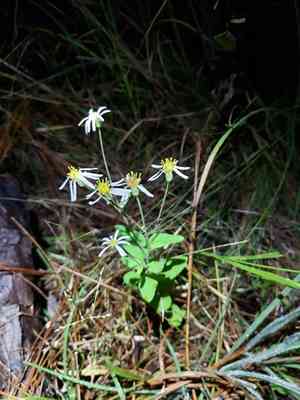
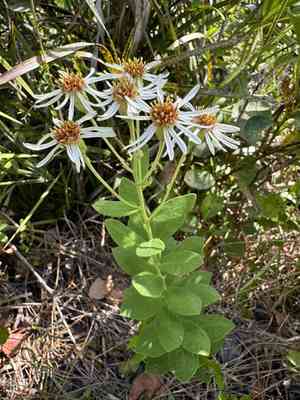
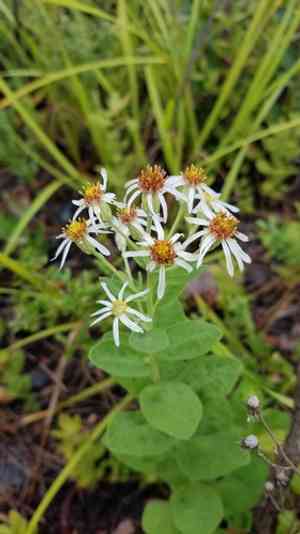
Images of Pine barren whitetop aster
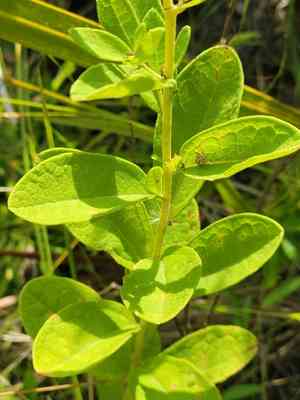
Quickly Identify Pine barren whitetop aster
1
Oclemena reticulata can be identified by its white to pale lavender flowers, usually growing in clusters. The leaves are lance-shaped with a distinct reticulated veining pattern.
Scientific Classification of Pine barren whitetop aster
Phylum
Vascular plants
Class
Dicotyledons
Order
Asterales
Family
Daisy
Genus
Asters
Species
Pine barren whitetop aster
Planting and Growing of Pine barren whitetop aster
Care Difficulty
Moderate
Watering Schedule
Every 3 days
Sunlight Requirements
Partial sun
Sunshine Duration
4-10 hours
Ideal Temperature
60-75℉
Soil Type
Potting Mix, Peat Mix
Soil pH
5-7.5
Fertilizer Type
Balanced
Pruning Season
Spring, Summer
Pruning Area
Branches, Leaves
Pruning Frequency
2 times a year
Repotting Season
Spring
Pot Type
Terracotta, Plastic
 How to Water Pine barren whitetop aster?
The watering amount for Oclemena reticulata should be sufficient to moisten the soil without causing waterlogging. A volume of about 250 milliliters per watering is typically adequate. Ensure that the water penetrates the soil deeply enough to reach the root zone, but avoid leaving the soil soggy, as this can lead to root rot.
What are the symptoms of an underwatered Pine barren whitetop aster?
›
What should I do if my Pine barren whitetop aster is not getting enough water?
›
What are the symptoms of an overwatered Pine barren whitetop aster?
›
How to save an overwatered Pine barren whitetop aster?
›
 What Are the Sunlight Requirements for Pine barren whitetop aster?
Oclemena reticulata prefers partial to full sun conditions. Ideal light ensures robust stem structure, vibrant foliage color, and encourages healthy flowering patterns, making the plant more resilient.
What is the ideal sunlight exposure for Oclemena reticulata?
›
How can I ensure Oclemena reticulata receives its ideal lighting?
›
What benefits does ideal light bring to Oclemena reticulata?
›
 What Is the Ideal Temperature Range for Pine barren whitetop aster?
Oclemena reticulata thrives best when maintained in an environment where temperatures range between 60°F and 75°F. This range supports optimal physiological processes, ensuring healthy growth and vibrant flowering. Keeping the plant within this temperature range mimics its natural habitat, which is key to successful cultivation. During this range, the plant can effectively manage water intake and photosynthesis, reducing stress and promoting robustness.
 What Soil is Best for Pine barren whitetop aster?
Oclemena reticulata thrives in well-drained soil that prevents water logging, promoting healthy root growth and preventing rot. This ensures the plant receives adequate oxygen for optimal metabolic function. A nutrient-rich substrate is essential for Oclemena reticulata, providing the minerals and organic matter necessary for vitality. The nutrients support robust growth, lush foliage, and abundant flowering. While preferring well-drained soil, Oclemena reticulata also needs soil that retains some moisture. This balance prevents dehydration during dry spells while allowing for essential gas exchange in the root zone.
 How to Fertilize Pine barren whitetop aster?
For Oclemena reticulata, applying a balanced liquid fertilizer diluted to half strength is ideal. This usually equates to about 1 teaspoon of fertilizer per gallon of water. This measured application ensures the plant receives the nutrients it requires without overwhelming its system.
 How to Prune Pine barren whitetop aster?
Start by identifying and removing any dead or wilting stems. Follow by trimming back overgrown branches to maintain the plant's shape and size. Always cut at a 45-degree angle above a leaf node. To improve air circulation, selectively thin out crowded areas of the plant. This not only prevents fungal diseases but also allows sunlight to penetrate, aiding in overall plant vitality. Finish by shaping the plant for aesthetics. Ensure that each cut is purposeful, maintaining a natural and balanced look to promote new growth and flowering potential.
More About Pruning Techniques→
 How to Propagate Pine barren whitetop aster plant?
1
Sow the seeds in a well-draining seed potting mix. Lightly cover the seeds with soil and water gently. Ensure seeds are kept in a warm location with indirect sunlight.
2
Monitor seedlings for moisture and light, ensuring they do not dry out or receive too much light. Consistent watering encourages steady growth.
3
To divide, carefully dig around the plant's root mass, lift it gently, and tease apart individual sections with a garden fork, taking care not to harm roots.
 How to Repot Pine barren whitetop aster plant?
1
Identify the right time for repotting Oclemena reticulata by checking for signs such as roots peeking through the drainage holes, soil drying out too quickly, or stunted growth. Ideally, repotting should be done in spring or autumn to minimize stress and promote healthy adaptation.
2
Select a pot that is just one size larger than the current one. Ensure it has adequate drainage holes to prevent waterlogging. A slightly larger pot will give the roots more room to grow without overwhelming the plant with excess soil, minimizing the risk of root rot.
3
Opt for a well-draining potting mix suitable for Oclemena reticulata. Incorporating ingredients like peat, perlite, or sand helps maintain optimal moisture balance, essential for this plant's root health and growth. Good soil allows roots to breathe and prevents the buildup of excess moisture.
Learn More About Pine barren whitetop aster Diseases
Anthracnose
Bacterial Leaf Spot
Bacterial Wilt
Crown Gall
Cyst Nematode
Damping-off
Downy Mildew
Drought Stress
Fusarium Wilt
Gray Mold
Leaf Spot
Mosaic
Nutrient Deficiency
Nutrient Toxicity
Powdery Mildew
Root Rot
Root-knot Nematode
Rusts
Sooty Mold
Spider Mites
Temperature Stress
Thrips Damage
White Mold



