How to Transplant Bog aster?
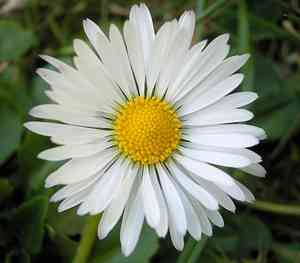
For bog aster, the ideal period for transplanting spans from the onset of early spring to the peak of late spring. Choose a location featuring damp, well-aerated earth, filtered sunlight, and ample room for root expansion. A subtle recommendation: careful manipulation guarantees favorable outcomes.
Preparations Required Before Relocating Bog Aster
When is the Best Time to Move Bog Aster?
The prime period to move bog aster is as spring's vitality emerges, typically from late winter's thaw until the onset of summer's warmth. Relocating bog aster during this timeframe provides an excellent opportunity for root establishment in the cool yet warming soil, ensuring vigorous growth ahead. This season offers mild weather, allowing bog aster to adapt without extreme temperature stress, promoting a smooth transition and stronger future blooms.
What Spacing is Recommended Between Bog Aster Plants?
Hello, gardening enthusiast! Before placing your lovely bog aster in its new spot, let's make sure they have ample room to flourish. Aim for a comfortable spacing of approximately 18-24 inches (46-61 cm) apart, giving them sufficient space to spread their roots and thrive.
What is the Optimal Soil Blend for Bog Aster Relocation?
To prepare the ground for your bog aster, let's create some ideal soil! Choose well-draining, loamy soil rich in organic matter. A great start is to mix in some compost as a foundational fertilizer to nourish your plants. Perfect for those vibrant flowers!
Where Should You Replant Your Bog Aster?
Sunlight is crucial for your bog aster! Find a location that receives partial sunlight – some gentle morning sun combined with afternoon shade will result in a happy plant. Ensure the site has that ideal light balance for a stunning display.
Equipment to Prepare Before Transplanting Bog Aster
Gardening Gloves
To safeguard your hands while handling soil and plants.
Spade or Garden Shovel
For excavating the bog aster from its original spot and preparing the new planting area.
Garden Fork
To assist in loosening the soil around the plant's root system.
Watering Can or Hose
For pre-watering the plant before removal and post-planting in its new location.
Wheelbarrow or Garden Cart
To comfortably transport the bog aster from one place to another.
Pruning Shears
To trim any damaged or excessive growth before transplanting, if necessary.
Mulch
To aid in retaining moisture and suppressing weeds around the newly transplanted bog aster.
Measuring Tape
To accurately space the transplantation site according to the bog aster's growth requirements.
How to Extract Bog Aster from the Soil?
How to Extract Bog Aster from the Soil?
From Ground: Begin by watering the bog aster to moisten the soil. Use a spade to carefully dig a wide circle around the plant, being careful not to disturb the root ball. Gently lift the plant, ensuring you preserve as many roots as possible.From Pot: Water the bog aster thoroughly. Tilt the pot sideways and tap its sides to loosen the root ball. Carefully slide the plant out, supporting the root ball with your hand.From Seedling Tray: Water the seedlings to ensure soil adheres to the roots. Use a spoon or a small transplanting trowel to carefully lift each bog aster without significantly disturbing the roots.
Step-by-Step Guide for Relocating Bog Aster
Excavating the New Hole
Dig a hole in your prepared site that is twice as wide and the same depth as the bog aster's root ball.
Preparing the Root Ball
Inspect the bog aster's root ball and gently untangle any circling roots to encourage outward growth.
Positioning the Plant
Place the bog aster into the hole, ensuring the top of the root ball is level with the surrounding soil surface.
Backfilling the Hole
Carefully refill the hole with soil, gently firming it around the bog aster to eliminate air pockets.
Watering
Water the bog aster thoroughly immediately after transplanting to settle the soil and hydrate the plant.
Applying Mulch
Spread a layer of mulch around the base of bog aster, avoiding direct contact with the stem, to help maintain soil moisture.
Post-Transplantation Care for Bog Aster
Monitoring
Regularly check the soil moisture around the bog aster and ensure it remains consistently moist, especially during the initial weeks after transplanting.
Mulching
Maintain a layer of mulch to minimize water loss and regulate soil temperature.
Pruning
Remove any dead or damaged leaves and stems to help the bog aster direct its energy towards root establishment.
Support
If the bog aster appears unstable, use stakes or ties to help support the plant until its roots are well established.
Protection
During the first winter, protect the bog aster if needed with burlap screens or frost cloth during very cold periods.
Addressing Common Issues with Bog Aster Transplantation.
What is the ideal time to transplant bog aster?
The best time for bog aster transplanting is when spring rains begin to warm the soil.
How much space should I leave between bog aster when transplanting?
When transplanting bog aster, allow them room to thrive by spacing them 18-24 inches (45-60 cm) apart.
Why are my transplanted bog aster wilting?
Wilting after transplant can be due to stress. Ensure the soil stays moist and they are not immediately in full sun.
Can I transplant bog aster in the summer?
It's possible, but not optimal. Early to mid-spring gives bog aster the best start to establish before hot weather arrives.
How deep should I plant bog aster?
Plant bog aster so the root ball is level with the surrounding soil surface, ensuring a secure soil embrace.
My bog aster looks droopy after transplanting. What should I do?
Droopiness is common. Water them thoroughly, provide shade if possible, and they should recover in a day or two.
Should I amend the soil before transplanting bog aster?
Yes, enrich the soil with compost for nutrients and improved drainage, ensuring a strong start for bog aster.
How much sunlight does transplanted bog aster require?
Transplanted bog aster thrives in partial shade but can tolerate full sun once established. Watch for sunburn initially.
Is it necessary to prune bog aster when transplanting?
Pruning is not typically required during transplant, but removing damaged foliage can promote healthier growth.
What are signs of overwatering after transplanting bog aster?
Look for yellowing leaves or a foul odor from the soil, which are common indicators of excessive moisture.



