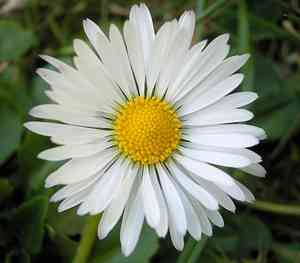
Bog aster (Oclemena nemoralis)
Also known as: Bog Aster, Symphyotrichum nemoralis
The bog aster, a flowering plant typically found in acidic bogs and wetland areas, is recognized as endangered in Connecticut and Pennsylvania. This species frequently hybridizes with the Sharp-toothed aster (Oclemena acuminata).
In This Article
Attributes of Bog aster
Lifespan
Perennial
Plant Type
Herb
Plant Height
15 cm to 61 cm
Spread
usually 12-18 inches (30-45 cm)
Leaf Color
Green
Flower Size
1-1.5 inches (2.5-3.8 cm)
Flower Color
White Pink Yellow Purple
Images of Bog aster
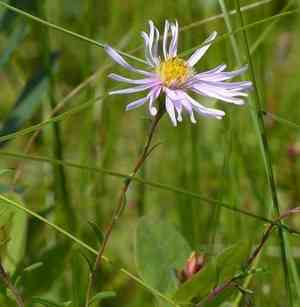
Quickly Identify Bog aster
1
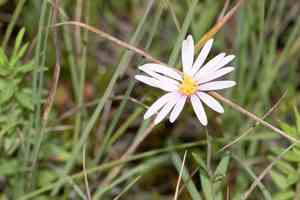
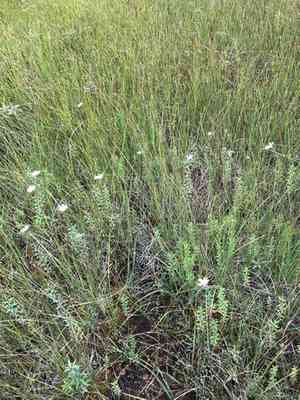
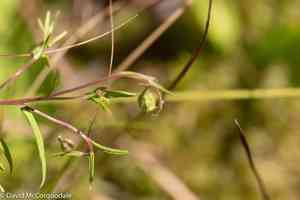
To identify Oclemena nemoralis, look for its daisy-like white to pale lavender flowers with yellow centers. The leaves are lanceolate and can be slightly hairy. The plant typically blooms in late summer to early fall.
Scientific Classification of Bog aster
Phylum
Vascular plants
Class
Dicotyledons
Order
Asterales
Family
Daisy
Genus
Asters
Species
Bog aster
Planting and Growing of Bog aster
Care Difficulty
Easy
Watering Schedule
Every 2 days
Sunlight Requirements
Partial sun
Sunshine Duration
6-10 hours
Ideal Temperature
60-75℉
Soil Type
Potting Mix, Peat Mix
Soil pH
5.5-7
Fertilizer Type
Balanced
Pruning Season
Spring, Summer
Pruning Area
Branches, Leaves
Pruning Frequency
2 times a year
Repotting Season
Spring
Pot Type
Plastic, Ceramic
 How to Water Bog aster?
For Oclemena nemoralis, watering is essential but should be moderate. Aim to provide about 250 ml of water per session. This amount is sufficient to moisten the soil without waterlogging it, allowing the roots to absorb what they need without being submerged in excess water.
What are the symptoms of an underwatered Bog aster?
›
What should I do if my Bog aster is not getting enough water?
›
What are the symptoms of an overwatered Bog aster?
›
How to save an overwatered Bog aster?
›
 What Are the Sunlight Requirements for Bog aster?
Partial sun is ideal, providing 4-6 hours of balanced light. This range supports healthy foliage and flowering, optimizing both growth and resilience, enabling the plant to thrive with vibrant leaves and robust blooms.
More About Sunlight Requirements Techniques→
What type of sunlight is best for Oclemena nemoralis?
›
How to ensure Oclemena nemoralis receives ideal lighting throughout the year?
›
What benefits does optimal lighting provide to Oclemena nemoralis?
›
 What Is the Ideal Temperature Range for Bog aster?
The optimal temperature range for Oclemena nemoralis is between 60°F and 75°F. Within this range, the plant can photosynthesize efficiently and maintain healthy growth patterns. Ensuring temperatures remain stable within this range leads to vibrant foliage and strong development.
 What Soil is Best for Bog aster?
Oclemena nemoralis thrives in nutrient-rich loam that retains moisture while providing effective drainage. This balanced soil type supports the plant's growth by ensuring roots receive ample nutrients and maintain proper hydration without becoming waterlogged. A well-aerated sandy loam is crucial for Oclemena nemoralis as it allows for excellent root penetration and growth. The structure of sandy loam prevents compaction and promotes healthy root systems necessary for nutrient uptake and stability. This plant prefers a slightly acidic soil pH, ideally between 5.5 and 7.0. Such a pH range helps in maximizing nutrient availability, especially essential ones like iron and manganese, crucial for the plant’s vibrant foliage.
 How to Fertilize Bog aster?
For Oclemena nemoralis, the fertilizer amount should be moderate, ensuring a balanced supply of nutrients. Use approximately one tablespoon of liquid fertilizer per gallon of water each time. Avoid over-fertilization as it can harm the plant's delicate root system.
 How to Prune Bog aster?
Begin pruning by removing dead or diseased stems, which can sap the energy of healthy growth. Focus on maintaining the plant's natural form, making angled cuts above healthy buds or leaves. To promote bushier growth, trim back stems slightly above leaf nodes. This method encourages new lateral branches, which helps fill out the plant, making it more resilient and vibrant.
More About Pruning Techniques→
 How to Propagate Bog aster plant?
1
Harvest mature seeds from healthy plants. Clean and dry them properly to prevent molding, enhancing germination success.
2
Select healthy, non-flowering stems. Cut right below a node using sharp shears and remove lower leaves to limit moisture loss.
3
Gently dig up the plant ensuring minimal root disturbance. Separate roots into smaller sections with at least one node each.
 How to Repot Bog aster plant?
1
Oclemena nemoralis shows signs it needs repotting when roots emerge from the drainage holes, or when growth seems slower than usual. Spring or autumn are optimal times for repotting as the plant is not in a highly active growth phase, allowing it to focus resources on recovering from the process.
2
Choose a pot that is slightly larger than the current one, preferably just one size up. Ensure it has adequate drainage holes to prevent water stagnation, which can lead to root rot. Ceramic or terracotta pots are ideal as they allow air to circulate around the root zone, promoting healthier root growth.
3
A well-draining potting mix with organic content is essential. This type of soil minimizes the risk of overwatering while ensuring enough moisture retention for plant health. Adding perlite or coarse sand can enhance aeration and drainage, providing a robust environment for root development.
Learn More About Bog aster Diseases
Anthracnose
Bacterial Leaf Spot
Bacterial Soft Rot
Bacterial Wilt
Black Spot
Chemical Injury
Crown Gall
Cyst Nematode
Damping-off
Downy Mildew
Drought Stress
Fusarium Wilt
Gray Mold
Leaf Curl
Leaf Spot
Mosaic
Nutrient Deficiency
Nutrient Toxicity
Powdery Mildew
Root Rot
Root-knot Nematode
Rusts
Sooty Mold
Spider Mites
Temperature Stress
Thrips Damage
White Mold



