How to Prune Bog aster?
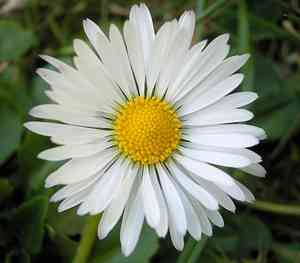
This enduring plant, recognized for its preference for marshy areas, flourishes with strategic trimming to enhance air circulation and control its form. For bog aster, eliminate deceased or frail stalks in early spring; removing faded blossoms in summer may stimulate a subsequent flowering. Trimming is most effective when fresh shoots emerge, steering clear of autumn to avoid impeding the following season's buds. Consistent trimming aids bog aster by preserving its strength and averting excessive density, which is crucial for disease prevention in moist settings.
What Are the Benefits of Pruning Bog Aster?
What Are the Benefits of Pruning Bog Aster?
Trimming bog aster promotes robust development and maintains its desired form. Consistent cutting eliminates dead or weak stems, fostering a stronger, healthier plant structure, which can boost its overall vigor and visual appeal.
What Is the Best Time for Pruning Bog Aster?
What Is the Best Time for Pruning Bog Aster?
The optimal periods for pruning bog aster coincide with active growth phases, ensuring rapid recovery and minimal stress. Late Spring pruning allows for the removal of winter-damaged or dead stems before new growth emerges. Early Summer pruning, following the initial bloom, stimulates a second flowering and preserves plant shape and health. These times avoid disrupting dormancy or peak blooming, which are crucial to bog aster's life cycle.
What Tools Do I Need to Prune Bog Aster?
Bypass Pruners
Bog aster has relatively slender stems that can be easily cut with sharp bypass pruners. Bypass pruners create clean and precise cuts, which help prevent harm to the delicate stems and reduce the chance of infection.
Pruning Shears
For maintaining the shape and encouraging bushier growth of bog aster, a pair of sharp pruning shears is ideal. They can be used to snip off spent flowers or to trim back excessive growth without harming the rest of the plant.
Gardening Gloves
While not a cutting tool, gardening gloves are essential when pruning bog aster to protect your hands from potential irritants or sharp edges. Handling bog aster with gloves can also prevent accidental damage to the stems and leaves.
Hand Saw
If bog aster has become woody at the base or there are dead branches that are too thick for pruners, a hand saw can be used for cutting through them. This tool should be sharp and clean to ensure a smooth cut and reduce stress on the plant.
How to Prune Bog Aster
Sterilize tools
Before pruning bog aster, ensure that all pruning tools are clean and sterilized to prevent the spread of disease.
Remove diseased leaves
Carefully identify and trim off any diseased leaves on bog aster, ensuring to make clean cuts to avoid further damage to the plant.
Remove withered leaves
Locate withered or dead leaves on bog aster and cut them at the base where they meet the stem or the main branch, using sharp scissors or shears.
Prune diseased stems
Carefully cut away any diseased stems on bog aster to maintain plant health, making sure to cut well below the infected area, ideally just above a healthy leaf node or bud.
Dispose of trimmed parts
After pruning bog aster, properly dispose of all trimmed diseased or withered plant parts to prevent the possibility of contamination or reinfection.
Common Pruning Mistakes with Bog Aster
Overpruning
Removing too much foliage which can stress bog aster and potentially lead to poor growth or disease.
Cutting above leaf nodes
Pruning above the leaf nodes can result in unsightly stubs that fail to promote new growth.
Using dull or dirty tools
Dull tools make rough cuts that can harm bog aster and dirty tools may spread disease.
Neglecting to remove dead or diseased tissue
Bog aster can become more susceptible to disease if dead or diseased parts are not removed during pruning.
Disregarding plant shape
Failure to consider the natural form of bog aster during pruning can result in a less aesthetically pleasing plant.
Removing too few lower leaves
Not thinning out the lower foliage can reduce air circulation which is vital for bog aster's health.
Pruning too aggressively in the first year
Overzealous pruning in the first year can stunt the development of bog aster.
Common Pruning Tips for Bog Aster
Clean cuts close to the stem
Make clean, angled cuts close to the stem to encourage healing and reduce stress to bog aster.
Sterilize pruning tools
Use sterilized tools to prevent the spread of disease to bog aster.
Follow the 'one-third' rule
Generally, remove no more than one-third of bog aster's total foliage to avoid over-pruning.
Selective thinning
Thin out overcrowded areas to improve light penetration and air movement within bog aster.
Cut at leaf nodes
Prune just above a leaf node or set of leaves to encourage bog aster to branch out and become fuller.
Regular inspection
Regularly inspect bog aster for any signs of disease or damage and prune as necessary to maintain plant health.
Hand pruners for precision
For precise cuts, use hand pruners on bog aster, which are appropriate for the plant's delicate stems.



