How to Transplant Elliptic yellowwood?
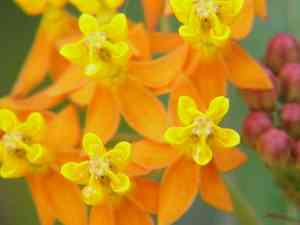
The optimal period for relocating elliptic yellowwood spans from early spring through its peak flowering phase, fostering robust development. Select a location bathed in sunlight, featuring soil that drains effectively. Gradually introducing elliptic yellowwood to its new surroundings is crucial for successful integration.
What Preparations are Needed Before Transplanting Elliptic Yellowwood?
What is the Ideal Time for Transplanting Elliptic Yellowwood?
The optimal period to relocate elliptic yellowwood is from the start of its active growth phase until it's fully established. This timeframe typically allows the plant sufficient opportunity to settle in before the demands of summer heat. Moving your elliptic yellowwood during this interval encourages strong root development, enabling it to better adapt to its new site and recover more efficiently from the stress of transplantation. A friendly reminder: transplanting in this season is like giving elliptic yellowwood the best start in its new home â it's the nurturing gesture ensuring a healthy and vigorous growth!
How Much Space Should You Leave Between Elliptic Yellowwood Plants?
When getting ready to transplant your elliptic yellowwood, ensure each plant has ample room to expand. Aim for a separation of approximately 10-15 feet (3-4.5 meters) between them. This will guarantee your elliptic yellowwoods have adequate space for their root systems to spread and flourish.
What is the Best Soil Mix for Elliptic Yellowwood Transplanting?
Prior to transplanting your elliptic yellowwood, enhance the soil with well-draining, nutrient-rich earth. An excellent blend for elliptic yellowwood could be loamy soil mixed with some compost. Initially, gently incorporate a balanced, slow-release fertilizer to provide your elliptic yellowwoods with the essential nutrients for a robust beginning.
Where Should You Relocate Your Elliptic Yellowwood?
Locate a sunny spot for your elliptic yellowwood! They thrive in sunlight, so select an area where they can receive full sun for most of the day. A bit of afternoon shade is acceptable, especially in warmer climates, to shield your elliptic yellowwood from excessive heat.
What Equipments Should You Prepare Before Transplantation Elliptic Yellowwood?
Shovel or Spade
For excavating the plant and preparing the new planting site.
Gardening Gloves
To safeguard your hands while handling soil and plants.
Wheelbarrow or Garden Cart
To move the elliptic yellowwood and soil.
Watering Can or Hose
To hydrate the elliptic yellowwood before and after its relocation.
Pruners or Garden Shears
To trim any damaged roots or branches.
Stakes
To offer support to the elliptic yellowwood if necessary post-transplant.
Mulch
To aid in retaining soil moisture and regulating soil temperature around the newly transplanted specimen.
How Do You Remove Elliptic Yellowwood from the Soil?
How Do You Remove Elliptic Yellowwood from the Soil?
From Ground: First, hydrate the elliptic yellowwood plant to moisten the soil. Then, excavate a wide trench around the plant using a shovel or spade, being careful to disturb as few roots as possible. Gently work the tool beneath the root ball to lift the plant with minimal harm.From Pot: Water the elliptic yellowwood thoroughly beforehand. Turn the pot on its side, grasp the plant by its base, and gently tap the bottom to loosen it. Tilt and jiggle the pot as needed until the elliptic yellowwood slides out with its root ball.From Seedling Tray: Water the seedlings to make the soil damp. Use a spoon or a dibber to carefully lift individual elliptic yellowwood plants by their roots, ensuring not to harm the delicate stems.
Step-by-Step Guide for Transplanting Elliptic Yellowwood
Digging The Hole
Excavate a hole in the ground that is twice the width of the elliptic yellowwood's root ball and equally deep.
Plant Placement
Position the elliptic yellowwood in the center of the hole. The top of the root ball should be flush with the surrounding soil surface.
Refilling Soil
Gently backfill the soil around the root ball. Compact the soil by hand around the roots to eliminate air pockets.
Watering In
Water the elliptic yellowwood deeply after planting to settle the soil and provide moisture for the roots.
Staking
If the elliptic yellowwood is tall or in a windy location, stake the plant using appropriate supports to prevent wind damage and root disturbance.
Applying Mulch
Apply a layer of mulch around the base of the elliptic yellowwood, avoiding direct contact with the stem, to conserve moisture and regulate soil temperature.
How Do You Care For Elliptic Yellowwood After Transplanting?
Watering
Maintain a consistent watering regimen for the elliptic yellowwood to establish robust roots, particularly during the initial months post-transplant.
Staking Check
Periodically inspect the stakes to ensure they continue to provide adequate support and are not harming the elliptic yellowwood.
Mulch Refreshment
Replenish the mulch around the elliptic yellowwood as required, keeping the immediate area free of weeds.
Observation
Monitor the elliptic yellowwood for indications of stress or pest issues and take appropriate action.
Troubleshooting Common Issues with Elliptic Yellowwood Transplantation.
What's the best time to transplant elliptic yellowwood?
Ideally, relocate elliptic yellowwood during its peak growth period, from early to late spring.
How far apart should I space elliptic yellowwood when transplanting?
Allow ample room for development, ensuring a separation of 10-15 feet (3-4.5 meters).
How deep should the planting hole be for elliptic yellowwood?
Dig a hole twice as wide and the same depth as elliptic yellowwood's root ball for optimal growth.
Why are the leaves wilting after transplanting elliptic yellowwood?
Wilting can indicate stress; ensure proper hydration, avoid deep planting, and shield from intense sunlight after transplant.
How much water does elliptic yellowwood need after transplanting?
Water generously post-transplant, keeping the soil moist but not waterloggedâadjust based on environmental conditions.
Why isn't elliptic yellowwood thriving after transplanting?
Review sun exposure, soil conditions, watering habits, and root disturbance. Minor adjustments can aid recovery.
How can I improve soil for transplanting elliptic yellowwood?
Enrich the soil with organic matter to boost fertility and enhance moisture retention for elliptic yellowwood's better growth.
When should I fertilize elliptic yellowwood after transplanting?
Wait several weeks post-transplant before applying a balanced slow-release fertilizer to support elliptic yellowwood's establishment.
What signs indicate transplant shock in elliptic yellowwood?
Drooping or discolored foliage and stunted development are common indicators of transplant shock in elliptic yellowwood.
Can pruning help elliptic yellowwood after transplanting?
Light pruning can lessen transplant stress by balancing the root-to-shoot ratio, but avoid severe trimming.



