The Elliptic yellowwood Plant Advantage: Maximizing Home and Office Appeal and Wellness
1
Elliptic yellowwood is prized for its significant decorative appeal, attributed to its dense, perennial foliage.
2
Elliptic yellowwood offers ecological advantages, including assisting in ground stabilization and offering shelter for animals.
3
This flora is utilized in conventional garden design because of its visual charm and hardiness.
What Are the Ornamental Benefits of Elliptic yellowwood?
Evergreen Foliage
Elliptic yellowwood showcases vibrant, evergreen leaves that offer year-round greenery. Its thick foliage can create an appealing backdrop in gardens and parks, making it a popular choice for landscape designs. The plant's shiny leaves beautifully capture sunlight, producing a lively and attractive visual effect.
Aesthetic Appeal
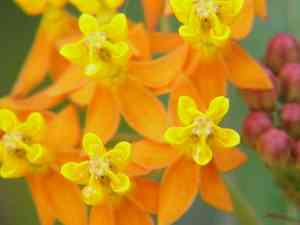
Beyond its evergreen nature, Elliptic yellowwood produces small, delicate blossoms that add a subtle yet charming touch to any setting. The plant's overall structure and form also contribute to its visual appeal, making it an excellent option for decorative planting in both residential and commercial landscapes.
How Does Elliptic yellowwood Contribute to Environmental Sustainability?
Soil Stabilization
One of the primary environmental advantages of Elliptic yellowwood is its capacity to stabilize soil. Its robust root system helps prevent soil erosion, particularly in areas prone to heavy rainfall or sloped terrain. This makes Elliptic yellowwood an ideal plant for erosion control and land restoration projects.
Habitat for Wildlife
Elliptic yellowwood provides a home for various forms of wildlife. The dense foliage offers shelter and nesting spots for birds and insects. Furthermore, the plant's flowers can attract pollinators, thereby supporting local biodiversity and contributing to a healthy ecosystem.
Why Is Elliptic yellowwood Ideal for Landscaping?
Resilience and Hardiness
Elliptic yellowwood's resilience makes it an excellent choice for landscaping in diverse climates. It can withstand various environmental stressors such as drought, poor soil conditions, and strong winds. This hardiness reduces the need for intensive upkeep, making it a cost-effective option for long-term landscape design.
Versatility
In addition to its resilience, Elliptic yellowwood is highly adaptable. It can be utilized as a standalone specimen plant, part of a mixed border, or even a natural hedge. Its ability to seamlessly integrate into different landscape settings makes it a valuable addition to any garden or park.
What Are the Practical Uses of Elliptic yellowwood in Gardens?
Privacy Screens
Elliptic yellowwood is frequently used to create privacy screens or natural barriers. Its dense foliage acts as a living shield, providing seclusion while also enhancing the visual appeal of the area. This makes it particularly useful in urban gardens where space is limited but privacy is desired.
Windbreaks
Another practical application for Elliptic yellowwood is as a windbreak. The plant's sturdy structure and thick leaves can deflect wind, safeguarding more delicate plants from harsh weather conditions. This is especially beneficial in coastal or open-field environments where wind can be a constant challenge.
Is Elliptic yellowwood Easy to Maintain?
Low Water Requirements
One of the significant benefits of Elliptic yellowwood is its minimal water needs. Once established, the plant can thrive with little irrigation, making it suitable for drought-prone regions or water-conscious gardeners. This characteristic not only conserves water but also reduces maintenance efforts.
Pest and Disease Resistance
Elliptic yellowwood is relatively resistant to common pests and diseases, which means fewer interventions with chemical treatments and pesticides. This resistance contributes to its sustainability and makes it an attractive option for organic gardening practices.



