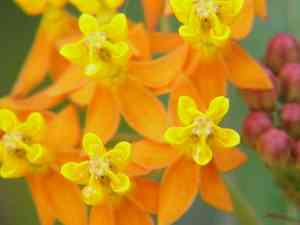
Elliptic yellowwood (Ochrosia elliptica)
Also known as: Kopsia, Ochrosia
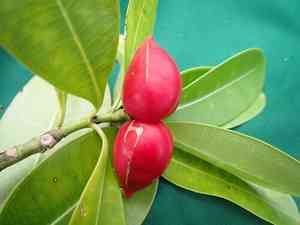
The elliptic yellowwood tree (Ochrosia elliptica) is native to northeastern Australia, Lord Howe Island, and New Caledonia. It has also been introduced to regions like Florida and the Bahamas in North America. The tree bears bright red fruits with sticky flesh, and its sap is mildly toxic.
In This Article
Attributes of Elliptic yellowwood
Lifespan
Perennial
Plant Type
Tree, Shrub
Plant Height
6 m to 8 m
Spread
4.5 m to 8 m
Leaf Color
Red
Flower Size
1.2 cm to 1.4 cm
Flower Color
White
Images of Elliptic yellowwood
Quickly Identify Elliptic yellowwood
1
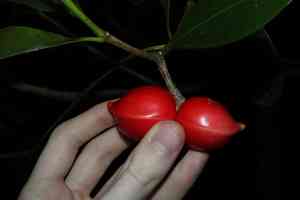
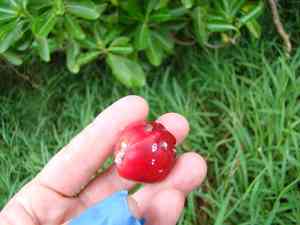
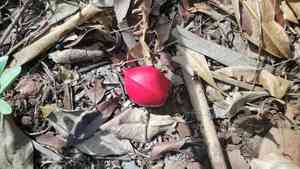
The plant can be identified by its glossy, elliptic leaves which are arranged oppositely. It produces cluster of small, white, fragrant flowers and bright, orange-red, paired fruits.
Scientific Classification of Elliptic yellowwood
Phylum
Vascular plants
Class
Dicotyledons
Order
Gentianales
Family
Dogbane
Genus
Ochrosia
Species
Elliptic yellowwood
Planting and Growing of Elliptic yellowwood
Care Difficulty
Easy
Watering Schedule
Every 2 days
Sunlight Requirements
Partial sun
Sunshine Duration
10-14 hours
Ideal Temperature
65-85℉
Soil Type
Potting Mix, Peat Mix
Soil pH
6.5-7.5
Fertilizer Type
Balanced
Pruning Season
Spring, Summer
Pruning Area
Branches, Leaves
Pruning Frequency
2 times a year
Repotting Season
Spring
Pot Type
Plastic, Terracotta
 How to Water Elliptic yellowwood?
Ochrosia elliptica, known for its lush foliage, appreciates a consistent watering routine. When watering, aim to saturate the soil until water trickles out of the drainage holes. This generally requires about 500 ml of water, ensuring the root system receives enough moisture without causing waterlogging.
What are the symptoms of an underwatered Elliptic yellowwood?
›
What should I do if my Elliptic yellowwood is not getting enough water?
›
What are the symptoms of an overwatered Elliptic yellowwood?
›
How to save an overwatered Elliptic yellowwood?
›
 What Are the Sunlight Requirements for Elliptic yellowwood?
Ochrosia elliptica ideally requires partial sun, receiving around 4 to 6 hours of daily light. This aids in vibrant foliage coloration, strong stem development, and prolific flowering, keeping the plant in optimal health.
More About Sunlight Requirements Techniques→
What is the ideal location?
›
How to ensure proper sun exposure?
›
Why is ideal sunlight beneficial?
›
 What Is the Ideal Temperature Range for Elliptic yellowwood?
Ochrosia elliptica thrives in temperatures between 65°F and 85°F. This range ensures optimal growth and flowering. At these temperatures, the plant's metabolic processes operate efficiently, and it can effectively photosynthesize and absorb nutrients from the soil.
 What Soil is Best for Elliptic yellowwood?
Ochrosia elliptica thrives in well-drained soil. This prevents root rot and other water-related issues. Ensuring good drainage improves aeration, allowing roots to access necessary oxygen which is crucial for healthy growth. A nutrient-rich soil will supply Ochrosia elliptica with essential minerals and nutrients needed for vigorous growth. Regularly amending the soil with organic matter can be beneficial. It sustains the plant’s development and enhances flowering. While drainage is important, the soil should also retain some moisture to support the plant's growth. Sandy loam soils strike a balance between drainage and moisture retention, ideal for Ochrosia elliptica.
 How to Fertilize Elliptic yellowwood?
For Ochrosia elliptica, a balanced fertilizer like a 10-10-10 should be used. Apply approximately 1/4 to 1/2 teaspoon per plant during fertilization. Ensure that the fertilizer is evenly distributed around the base without directly touching the stem to prevent root burn.
 How to Prune Elliptic yellowwood?
Start by identifying any dead or diseased branches. Also, look for branches crossing over each other, as these can cause wounds if left unchecked. Cutting these encourages open growth and better air circulation. Make cuts at a 45-degree angle, just above a bud facing in the direction you want the new growth to go. This promotes healthier growth and reduces water accumulation on the cut surface. To maintain a pleasing shape, selectively trim overly long branches. This helps in sustaining a balanced canopy. Ensure to maintain symmetry by evenly reducing branches around the plant. After the initial pruning, monitor new growth and adjust by further trimming if necessary. This ensures that the plant retains its desired shape and remains healthy.
More About Pruning Techniques→
 How to Propagate Elliptic yellowwood plant?
1
Begin by collecting seeds from mature Ochrosia elliptica fruits. Ensure the seeds are fresh and fully ripe for the best germination rate.
2
Choose healthy stems and cut sections about 5-6 inches long. Remove any flowers or fruits and leave only a few leaves at the top.
3
Plant seeds or insert cuttings in the prepared soil, ensuring good contact. Water lightly to moisten the soil without soaking it excessively.
 How to Repot Elliptic yellowwood plant?
1
Signals that Ochrosia elliptica needs repotting include roots growing out of the drainage holes, soil that dries out too quickly, or the plant looking top-heavy and potentially tipping over. Ideally, it's best to repot during active growth periods for quicker recovery.
2
Select a pot that is only slightly larger than the current one, with good drainage holes. This helps avoid overwatering and unnecessary root stress, creating a balance for robust plant health.
3
Opt for a soil that retains moisture yet drains well, such as a mix with perlite or sand. This kind of soil prevents root rot while ensuring the plant gets the necessary nutrients and oxygen.
Toxicity
ingestion
WARNING
The judgment on toxicity and danger is for reference only. We DO NOT GUARANTEE any accuracy of such judgment. Therefore, you SHALL NOT rely on such judgment. It is IMPORTANT TO SEEK PROFESSIONAL ADVICE in advance when necessary.
Learn More About Elliptic yellowwood Diseases
Anthracnose
Bacterial Leaf Spot
Bacterial Soft Rot
Bacterial Wilt
Black Spot
Chemical Injury
Crown Gall
Damping-off
Drought Stress
Fusarium Wilt
Gray Mold
Leaf Curl
Leaf Spot
Mosaic
Nutrient Deficiency
Nutrient Toxicity
Powdery Mildew
Root Rot
Root-knot Nematode
Rusts
Sooty Mold
Spider Mites
Temperature Stress
Thrips Damage
White Mold



