How to Transplant Lemmon's cloak fern?
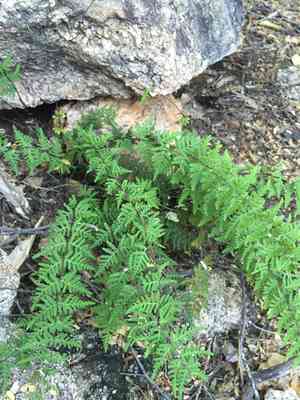
The most suitable period for relocating lemmon's cloak fern is throughout its vigorous development stage, spanning from the beginning to the end of spring. Select a site with good drainage and partial shade to facilitate its best growth. Moving the plant at this time aids lemmon's cloak fern in firmly establishing its root system.
Essential Preparations Before Relocating Lemmon's Cloak Fern
Optimal Timing for Relocating Lemmon's Cloak Fern?
The best window for moving lemmon's cloak fern, a perennial, spans from early to late spring. This period ensures ideal soil warmth and moisture, fostering strong root development and growth. Relocating during this time aligns with the plant's natural cycle, minimizing stress and boosting long-term health.
Recommended Spacing Between Lemmon's Cloak Fern Specimens?
When relocating lemmon's cloak fern, ensure each plant is positioned approximately 12-18 inches (30-45 cm) apart. This spacing promotes good air circulation and provides ample room for each plant to expand and thrive.
Ideal Soil Composition for Lemmon's Cloak Fern Relocation?
For lemmon's cloak fern, prepare soil that drains well, preferably sandy or loamy. Incorporate a balanced base fertilizer to enrich the soil and encourage vigorous growth. This preparation will aid your plants in establishing robust root systems in their new spot.
Optimal New Location for Your Lemmon's Cloak Fern?
Choose a site with partial to full sunlight for relocating lemmon's cloak fern. Aim for an area receiving roughly 4-6 hours of sun daily. This sun exposure is vital for the health and vigor of this perennial.
Tools Required Before Relocating Lemmon's Cloak Fern?
Gardening Gloves
To safeguard your hands while handling soil and the plant.
Hand Trowel
For excavating the plant and creating a new planting hole.
Spade or Shovel
To dig broader trenches for larger specimens.
Watering Can or Hose
To hydrate the plant before and after its move.
Wheelbarrow (Optional)
For moving larger plants or multiple plants simultaneously.
Method for Extracting Lemmon's Cloak Fern from its Current Location?
Method for Extracting Lemmon's Cloak Fern from its Current Location?
From Ground: First, moisten the lemmon's cloak fern plant by watering the soil. Next, use a shovel or spade to dig a wide trench around the plant, ensuring the root ball remains intact. Carefully work the spade beneath the root ball to lift the plant from its original spot.From Pot: Water the lemmon's cloak fern plant thoroughly before attempting removal. Gently tap the pot's sides to loosen the soil. Turn the pot sideways and carefully slide the plant out, supporting the stem base and preserving as much of the root ball as possible.From Seedling Tray: Water the seedlings well before moving them. Use a small hand trowel or your fingers to gently lift each seedling from the tray, being careful not to harm the roots. Try to keep as much soil attached to the roots as you can.
Detailed Instructions for Relocating Lemmon's Cloak Fern
Site Preparation
Select a new spot with appropriate growing conditions for your lemmon's cloak fern plant. Dig a hole that is twice as wide and equally deep as the plant's root ball.
Plant Removal
Follow the removal procedure based on whether you are taking it from the ground, a container, or a seedling tray, as previously described.
Relocation
Position the lemmon's cloak fern plant in the hole at the same depth it was growing in its previous location. Backfill the hole with soil, and gently firm it around the plant's base.
Watering
Thoroughly water the plant after relocation to help the soil settle around its roots.
Post-Relocation Care for Lemmon's Cloak Fern?
Watering
Maintain consistent moisture in the soil around the lemmon's cloak fern, avoiding saturation, for the initial weeks after relocation to aid in root establishment.
Mulching
Apply a thin layer of mulch around the plant's base to help retain moisture and stabilize soil temperature.
Monitoring
Regularly inspect the plant for signs of distress, such as wilting or yellowing foliage, and adjust care as necessary.
Protection
If your lemmon's cloak fern plant is in an area prone to strong winds or heavy rainfall, consider providing temporary support or shelter until it becomes established.
Addressing Common Issues During Lemmon's Cloak Fern Relocation.
When is the best time to relocate lemmon's cloak fern?
The optimal period to relocate lemmon's cloak fern is from early to late spring for prime growth.
How far apart should I space lemmon's cloak fern plants?
Space lemmon's cloak fern plants 12-18 inches (30-45 cm) apart to allow for proper growth and air circulation.
Why are my lemmon's cloak fern leaves turning yellow?
Yellow foliage might indicate overwatering. Ensure the soil drains well and isn't waterlogged.
What type of soil is best for lemmon's cloak fern?
Lemmon's cloak fern thrives in well-drained soil, ideally a mix of sand and loam for adequate drainage.
How much water should I give lemmon's cloak fern after relocating?
Water lemmon's cloak fern thoroughly after relocating, then keep the soil moist but not saturated during establishment.
How can I protect lemmon's cloak fern from relocation shock?
Minimize root disturbance, water well, and provide partial shade during the initial weeks.
What should I do if lemmon's cloak fern wilts after relocating?
Ensure it receives sufficient water and is shielded from direct midday sun to lessen stress.
Should I fertilize lemmon's cloak fern immediately after relocating?
Wait a few weeks before applying a balanced fertilizer to allow the plant to acclimate.
How deep should I plant lemmon's cloak fern's roots?
Plant lemmon's cloak fern at the same depth it was previously growing to prevent stress and rot.
How do I know if lemmon's cloak fern is getting enough sunlight?
Lemmon's cloak fern prefers partial to full sun. If growth appears leggy, it may require more light.



