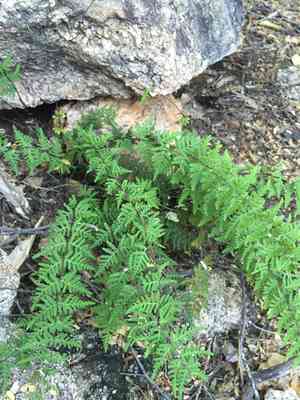
Lemmon's cloak fern (Notholaena lemmonii)
Also known as: Lemmon's Cloak Fern
Lemmon's cloak fern is a hardy species adapted to survive in dry environments. This small fern features fronds with a distinct silvery-gray appearance, thanks to a protective layer of scales that reduce water loss. It commonly grows in rocky crevices and outcrops, where its deep root system secures it and taps into deeper moisture reserves. These adaptations collectively help the fern conserve water and thrive in arid conditions.
In This Article
Attributes of Lemmon's cloak fern
Lifespan
Perennial
Plant Type
Fern
Plant Height
15-30 cm
Spread
15-30 cm
Leaf Color
Green with white or yellowish scales
Flower Size
N/A - Ferns do not produce flowers
Flower Color
N/A - Ferns do not produce flowers
Images of Lemmon's cloak fern
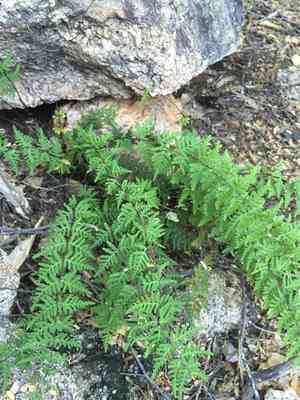
Quickly Identify Lemmon's cloak fern
1
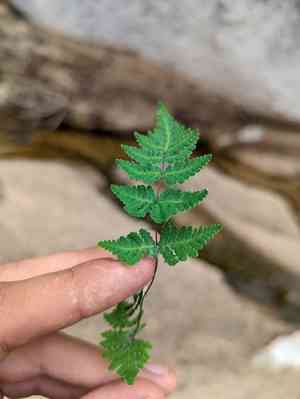
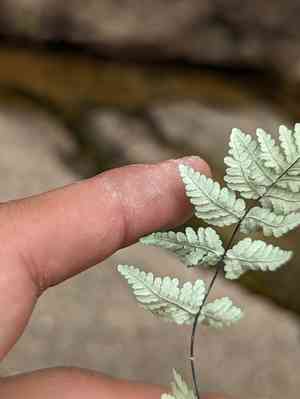
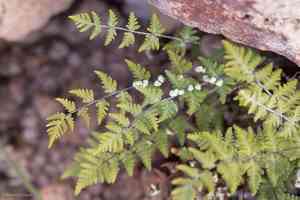
Notholaena lemmonii can be identified by its small size and distinctive fronds which are covered with white or yellowish scales, giving the fern a silvery appearance. It typically grows in crevices and rocky slopes.
Scientific Classification of Lemmon's cloak fern
Phylum
Vascular plants
Class
Ferns
Order
Polypodiales
Family
Brake
Genus
Notholaena
Species
Lemmon's cloak fern
Planting and Growing of Lemmon's cloak fern
Care Difficulty
Moderate
Watering Schedule
Every 2 days
Sunlight Requirements
Full sun
Sunshine Duration
6-8 hours
Ideal Temperature
60-75℉
Soil Type
Potting Mix, Peat Mix
Soil pH
6.5-7.5
Fertilizer Type
Balanced
Pruning Season
Spring, Summer
Pruning Area
Branches, Leaves
Pruning Frequency
2 times a year
Repotting Season
Spring
Pot Type
Plastic, Ceramic
 How to Water Lemmon's cloak fern?
Notholaena lemmonii prefers to be watered moderately. The key is to ensure the soil is moist but not soggy. Maintain a consistent moisture level, aiming for about 200ml of water per session. Avoid letting the plant sit in water as this will lead to root rot.
What are the symptoms of an underwatered Lemmon's cloak fern?
›
What should I do if my Lemmon's cloak fern is not getting enough water?
›
What are the symptoms of an overwatered Lemmon's cloak fern?
›
How to save an overwatered Lemmon's cloak fern?
›
 What Are the Sunlight Requirements for Lemmon's cloak fern?
Partial sun and full sun are ideal, providing balanced light for robust growth and maintaining the plant's vivid foliage color and texture.
What is the optimal lighting environment for Notholaena lemmonii?
›
How to achieve the ideal lighting setup for this plant?
›
What benefits does optimal lighting bring for this plant?
›
 What Is the Ideal Temperature Range for Lemmon's cloak fern?
The ideal temperature range for Notholaena lemmonii is between 60°F and 75°F. This range provides optimal conditions for growth and photosynthesis, ensuring the plant's metabolic processes operate efficiently. Maintaining temperatures within this bracket helps to prevent stress on the plant and maximizes its overall health and productivity.
 What Soil is Best for Lemmon's cloak fern?
Notholaena lemmonii thrives in well-drained soils, which prevents root rot. Ensuring good drainage mimics their natural rocky habitats and promotes healthy root development. While they aren't heavy feeders, a moderate level of soil fertility ensures sufficient nourishment. This helps the plant produce lush foliage without the risk of nutrient burn. A low to moderate amount of organic matter suits Notholaena lemmonii, reflecting its adaptability to somewhat barren, rocky environments. Too much organic content can hold excess moisture, which is undesirable.
 How to Fertilize Lemmon's cloak fern?
For Notholaena lemmonii, use a balanced liquid fertilizer diluted to half-strength. Apply approximately 1/4 teaspoon per gallon of water for optimal health.
 How to Prune Lemmon's cloak fern?
Notholaena lemmonii, commonly known as Lemmon's cloak fern, requires a gentle but effective pruning approach. Start by removing any dead or damaged fronds to give the plant a clean look and foster healthier growth. Use sharp scissors or pruning shears to avoid tearing the plant. To encourage bushier growth, trim back any overgrown or particularly lengthy fronds. This not only promotes a fuller appearance but also ensures that light can reach the center of the plant, stimulating new shoots and overall plant health.
More About Pruning Techniques→
 How to Propagate Lemmon's cloak fern plant?
1
Begin by moistening your sterile potting mix. It should be damp but not waterlogged, as excessive moisture can promote fungal growth and hinder germination.
2
Gently sprinkle the spores over the prepared potting mix in the seed trays. Do not cover them with soil as they require light to germinate. Lightly mist with water to ensure they are settled.
3
Place the seeded tray in a warm, bright location but out of direct sunlight. Maintaining a consistent temperature and high humidity is crucial for successful spore propagation.
 How to Repot Lemmon's cloak fern plant?
1
Watch for signs like roots growing through drainage holes or soil compacting. These indicate the plant has outgrown its pot and it’s time to repot. The best timing is during active growth phases for minimal stress.
2
Select a pot that provides extra space for growth, with ample drainage holes to prevent waterlogging. Opting for a slightly bigger pot improves air circulation and enables better root expansion, boosting overall plant health.
3
Choose a well-draining sandy mix, allowing roots to breathe and avoiding water retention. This type of mix is ideal as it mimics the plant's natural habitat, preventing root rot and encouraging strong growth.



