How to Prune Lemmon's cloak fern?
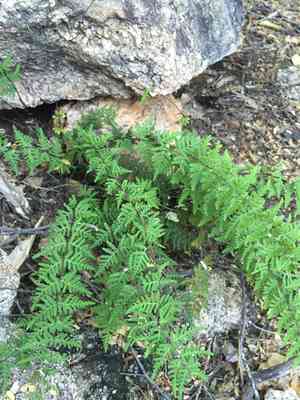
Lemmon's cloak fern is a unique fern recognized for its fragile leaves and affinity for stony environments. To ensure peak vitality, trim Lemmon's cloak fern in the initial part of spring or the latter part of winter. Eliminate deceased or injured fronds to enhance air circulation and diminish the likelihood of illness. Thin out excessively thick sections to avert congestion. Performing pruning during these periods corresponds with its developmental rhythm, fostering robust new development. Regular trimming improves Lemmon's cloak fern's visual attractiveness and contributes to a more thriving specimen.
What Are the Benefits of Pruning Lemmon's Cloak Fern?
What Are the Benefits of Pruning Lemmon's Cloak Fern?
Trimming lemmon's cloak fern encourages robust development and helps maintain a manageable form. This aids in preventing congestion, ensuring sufficient light penetration, and lowering the chance of pest or disease outbreaks.
What Is the Best Time for Pruning Lemmon's Cloak Fern?
What Is the Best Time for Pruning Lemmon's Cloak Fern?
Pruning lemmon's cloak fern in early spring or late winter is optimal as the plant is either dormant or just beginning to emerge. This timing minimizes plant stress and promotes vigorous new growth. Trimming during these periods also avoids interfering with the plant's active growth and spore production phases, ensuring lemmon's cloak fern remains strong and healthy throughout the growing season.
What Tools Do I Need to Prune Lemmon's Cloak Fern?
Fine-tipped Pruning Shears
Perfect for precise cuts required to maintain the small, delicate fronds of lemmon's cloak fern.
Bypass Pruners
Useful for clean cuts on slightly thicker stems without crushing plant tissues.
Sterilized Scissors
Effective for minor trims and deadheading small, intricate parts of lemmon's cloak fern.
Hand Pruners
Versatile tool for general pruning tasks and maintaining the shape of lemmon's cloak fern.
How to Prune Lemmon's Cloak Fern
Identify
Examine lemmon's cloak fern closely to identify any diseased or withered leaves. Look for discoloration, spots, or any signs of deterioration.
Preparation
Sanitize your pruning tools to prevent the spread of disease. Use a solution of one part bleach to nine parts water or rubbing alcohol.
Prune diseased
Carefully remove any diseased leaves by cutting them off at the base, close to the stem. Ensure that you do not leave any part of the diseased leaf on the plant.
Prune withered
Trim withered leaves by cutting them back to healthy, green tissue. If the entire leaf is withered, remove it completely by cutting at the base.
Cleanup
Dispose of the pruned leaves properly, preferably by placing them in a sealed bag and removing them from your garden area to prevent potential spread of disease. Clean your tools again after pruning.
Common Pruning Mistakes with Lemmon's Cloak Fern
Improper Technique
Using dull tools or making uneven cuts can damage lemmon's cloak fern and leave the plant susceptible to disease. Clean cuts promote better healing and reduce the risk of infection.
Over-Pruning
Removing too much foliage at once can stress lemmon's cloak fern, affecting its ability to photosynthesize and grow properly.
Ignoring Dead or Damaged Fronds
Failing to remove dead or damaged fronds can lead to decay and potential fungal infections spreading to healthy parts of lemmon's cloak fern.
Pruning Healthy Fronds
Cutting healthy fronds unnecessarily can diminish the plant's vigor, as lemmon's cloak fern relies on them for energy production through photosynthesis.
Pruning at the Wrong Nodes
Incorrect cuts that do not respect the natural growth nodes can cause irregularities in the plant's growth pattern and reduce its aesthetic appeal.
Common Pruning Tips for Lemmon's Cloak Fern
Use Sharp, Clean Tools
Ensure pruning scissors or shears are sharp and clean to make precise cuts and avoid introducing pathogens.
Remove Dead or Damaged Fronds
Regularly inspect lemmon's cloak fern and promptly remove any dead, yellowing, or damaged fronds to improve airflow and reduce disease risk.
Focus on Light Pruning
Instead of heavy pruning, perform light pruning to remove only the non-essential, damaged parts while keeping healthy fronds intact.
Cut Close to the Base
Make clean cuts close to the base of damaged fronds to prevent stubs that can decay and affect the plant's health.
Monitor New Growth
Keep an eye on new growth; trimming new fronds only if necessary ensures lemmon's cloak fern can maintain its growth momentum and health.



