How to Transplant Aztec tobacco?
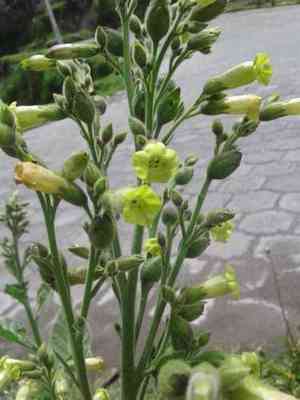
For aztec tobacco, the ideal period for relocation is at the onset of warmer weather, spanning from mid-spring through early summer, when the ground is most accommodating. Select a location that receives ample sunlight and is protected, then gradually introduce aztec tobacco to the outdoor environment to foster its vigorous development.
What Preparations are Needed Before Transplanting Aztec Tobacco?
What is the Ideal Time for Transplanting Aztec Tobacco?
Moving aztec tobacco into your garden during the vibrant period of mid-spring to early summer is highly beneficial, as it capitalizes on the season's moderate temperatures and extended daylight. This timeframe encourages vigorous growth and root establishment, setting the stage for a flourishing life cycle. Embrace the gentle warmth of late spring, avoiding the unpredictability of early spring frosts, to provide aztec tobacco with a smooth transition. The essence of this season promotes stronger, healthier plants, preparing them for a productive period of growth and flowering.
How Much Space Should You Leave Between Aztec Tobacco Plants?
When transplanting your aztec tobacco, a simple guideline is to ensure each plant has ample room to develop. Aim for a separation of 2-3 feet (0.6-0.9 m) between individual plants. This guarantees that each aztec tobacco will have sufficient space to thrive without becoming overcrowded.
What is the Best Soil Mix for Aztec Tobacco Transplanting?
Proper soil preparation is crucial! Aztec tobacco thrives in well-drained soil. Before planting, enrich your soil with a general, slow-release fertilizer to give your aztec tobacco the best possible start. Healthier soil leads to happier aztec tobacco!
Where Should You Relocate Your Aztec Tobacco?
Be sure to select a sunny location for your aztec tobacco! They require abundant sunlight, so a spot receiving at least 6 hours of direct sun daily would be ideal. This ensures your aztec tobacco will have the necessary energy for growth.
What Equipments Should You Prepare Before Transplantation Aztec Tobacco?
Gardening Gloves
To safeguard your hands from dirt and any potential irritants in the soil or on the aztec tobacco.
Shovel or Spade
To carefully excavate the plant from its original spot without harming the root ball.
Pot or Bucket
To safely transport the aztec tobacco plant from its initial location to its new site without damage.
Garden Trowel
To dig the hole in the new planting area where the aztec tobacco will be placed.
Water Hose or Watering Can
To adequately hydrate the aztec tobacco after it has been transplanted.
Mulch
To help retain soil moisture and inhibit weed growth around the newly transplanted aztec tobacco.
How Do You Remove Aztec Tobacco from the Soil?
How Do You Remove Aztec Tobacco from the Soil?
From Ground: First, thoroughly water the aztec tobacco plant to moisten the soil. Then, carefully dig around the aztec tobacco with a spade or shovel, ensuring the root ball remains intact. Gradually work the spade beneath the root ball, lifting and checking frequently to prevent root damage. Once fully detached, gently lift the aztec tobacco out of the ground and place it in a bucket or pot for transport.From a Pot/Container: Begin by dampening the soil with water. Next, tilt the pot sideways and gently pull the base of the aztec tobacco. The plant, along with its soil, should slide out. If it resists, lightly tap the sides and bottom of the pot to loosen the root ball.From a Seedling Tray: Water the seedlings first. Holding the aztec tobacco by its leaf, gently use a small tool like a spoon to scoop out the seedling, making sure to get as much root as possible. Handle the aztec tobacco delicately to avoid damaging the stem or roots.
Step-by-Step Guide for Transplanting Aztec Tobacco
Hole Preparation
Excavate a hole at the new site using a garden trowel. The hole should be twice as wide and as deep as the aztec tobacco's root ball.
Placement
Carefully position the aztec tobacco plant into the prepared hole. The top of the root ball should be level with the ground surface.
Backfill
Refill the hole with garden soil, gently pressing down to eliminate any air pockets.
Watering
After planting, water the aztec tobacco generously and allow it to drain. Refrain from watering again until the top inch of the soil is dry.
Mulching
Apply mulch around the base of the aztec tobacco, but ensure it does not touch the stem; it should form a donut shape around the plant.
How Do You Care For Aztec Tobacco After Transplanting?
Watering Frequency
Rainfall typically meets the water needs of aztec tobacco; however, during dry spells, it's beneficial to water the plant, but avoid overwatering.
Mulching
Replenish the mulch as it breaks down to consistently maintain soil moisture and reduce weed competition.
Pruning
If leaves are drooping, wilting, or yellowing, pruning may help the aztec tobacco recover more quickly from transplant shock.
Monitoring
Continuously observe the aztec tobacco. The initial few weeks post-transplant are the most critical. If you notice any signs of stress, such as wilting or discolored leaves, investigate and address the issue promptly.
Troubleshooting Common Issues with Aztec Tobacco Transplantation.
When is the best time to transplant aztec tobacco?
The optimal period to transplant aztec tobacco is from late spring to early autumn (S2-S4). These warm, long-day conditions are most favorable for its growth.
What is the ideal spacing for planting aztec tobacco after transplanting?
For healthy development, aztec tobacco should ideally be spaced 2-3 feet (60-90 cm) apart. This ensures adequate sunlight and nutrients from the soil for each plant.
What should I do if I notice yellow leaves after transplanting aztec tobacco?
Yellowing leaves might indicate overwatering or a nutrient deficiency. Check the soil condition or consider adding a balanced fertilizer to restore its health.
What can I do if my aztec tobacco plant is wilting after transplantation?
Wilting can be a temporary transplant shock. However, if it persists, review your irrigation schedule. Aztec tobacco requires consistent, but not excessive, watering.
What type of soil is best for transplanting aztec tobacco?
Aztec tobacco prefers soil that drains well. You can enhance soil drainage by incorporating organic matter, such as compost or peat moss, before planting.
Why are my aztec tobacco plants growing slowly after transplanting?
If your aztec tobacco is exhibiting slow growth post-transplant, it may be lacking essential nutrients. Add a general-purpose fertilizer to the soil to stimulate growth.
Why aren't my aztec tobacco flowering after transplanting?
Ensure that aztec tobacco receives sufficient sunlight and water. If conditions are ideal and still no flowers, consider applying a high-phosphorus fertilizer to encourage blooms.
What to do if my aztec tobacco has white spots on the leaves after transplanting?
White spots could signal a fungal infection. Remove affected parts and apply an organic fungicide. Always remember to water at the base to avoid wetting the leaves.
How can I avoid stunted growth of my aztec tobacco after transplanting?
Maintaining proper spacing for aztec tobacco, providing balanced nutrition, and ensuring consistent watering can prevent stunted growth. Regular monitoring for pests or diseases is also vital.
What if the aztec tobacco starts to dry up after transplanting?
If aztec tobacco appears to be drying out after transplanting, examine the root health. Rotting roots could be a cause. Also, ensure adequate watering but avoid waterlogging.



