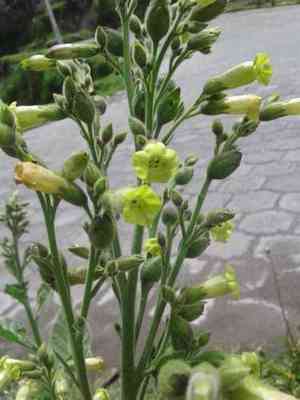
Aztec tobacco (Nicotiana rustica)
Also known as: Small Tobacco , Brazilian Tobacco , Wild tobacco, Turkish tobacco
Aztec tobacco (Nicotiana rustica) is a highly potent variety of tobacco, originally believed to be native to South America. It has spread and become naturalized in the southeastern United States, often growing as a weed. This plant is cultivated extensively in tropical and subtropical regions worldwide. Its primary uses include traditional smoking, snuff, and as a natural pesticide, due to its exceptionally high nicotine content, which can be toxic in large doses.
In This Article
Attributes of Aztec tobacco
Lifespan
Annual
Plant Type
Herb
Plant Height
40 cm to 1.2 m
Spread
35 cm to 50 cm
Leaf Color
Green
Flower Size
1 cm to 1.5 cm
Flower Color
Yellow Green
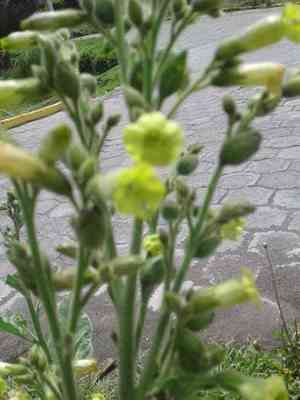
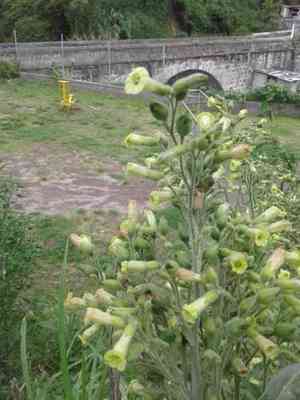
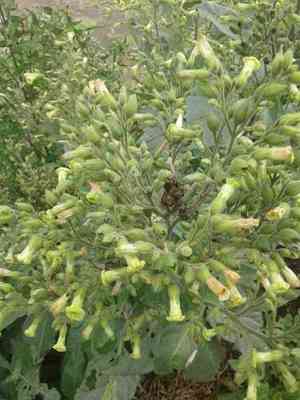
Images of Aztec tobacco
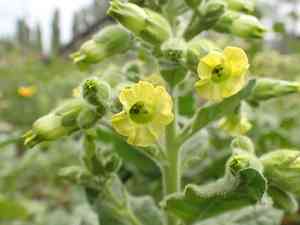
Quickly Identify Aztec tobacco
1
Nicotiana rustica can be identified by its broad, sticky leaves, yellow-green flowers, and a strong smell. The plant usually grows up to 1.5 meters tall and has a robust appearance.
Scientific Classification of Aztec tobacco
Phylum
Vascular plants
Class
Dicotyledons
Order
Solanales
Family
Nightshade
Genus
Tobacco plants
Species
Aztec tobacco
Planting and Growing of Aztec tobacco
Care Difficulty
Easy
Watering Schedule
Every 4 days
Sunlight Requirements
Full sun
Sunshine Duration
6-8 hours
Ideal Temperature
68-77℉
Soil Type
Potting Mix, Peat Mix
Soil pH
5.5-7.5
Fertilizer Type
Balanced
Pruning Season
Spring, Summer
Pruning Area
Branches, Leaves
Pruning Frequency
2 times a year
Repotting Season
Spring
Pot Type
Plastic, Ceramic
 How to Water Aztec tobacco?
When watering Nicotiana rustica, ensure the soil is thoroughly moistened but not waterlogged. The golden rule is to provide around 250 milliliters per session, allowing the water to reach the deeper roots. Ensure the excess water can drain away, so the soil is moist but not soggy.
What are the symptoms of an underwatered Aztec tobacco?
›
What should I do if my Aztec tobacco is not getting enough water?
›
What are the symptoms of an overwatered Aztec tobacco?
›
How to save an overwatered Aztec tobacco?
›
 What Are the Sunlight Requirements for Aztec tobacco?
Ideal is full sun with a minimum of 6 hours sunlight; this guarantees vigorous growth, flourishing foliage, and resilience against pathogens and pests.
More About Sunlight Requirements Techniques→
What is the optimal lighting environment?
›
What solutions help achieve ideal lighting?
›
What are the benefits of ideal lighting?
›
 What Is the Ideal Temperature Range for Aztec tobacco?
For Nicotiana rustica, the ideal temperature range for growth is between 68°F to 77°F. This range allows the plant to carry out photosynthesis efficiently while maintaining optimal metabolic processes. Temperatures within this range promote healthy leaf development and flowering which are critical for the plant's overall growth cycle.
 What Soil is Best for Aztec tobacco?
Nicotiana rustica thrives in well-drained soil, which prevents root rot and allows roots to access oxygen. This environment helps the plant absorb nutrients efficiently, leading to healthier and faster growth. This plant benefits from soil rich in organic matter, which improves moisture retention and provides essential nutrients. Such nutritional enhancement aids in robust leaf and flower development. While overly fertile soil may lead to excessive leaf growth with fewer flowers, moderate fertility ensures balanced growth and a harmonious flower-to-leaf ratio, enhancing the plant's visual appeal.
 How to Fertilize Aztec tobacco?
For Nicotiana rustica, proper fertilization is crucial to ensure healthy growth and vibrant leaves. The amount of fertilizer should be moderate, as both deficiency and excess can stress the plant. It is advised to apply about one teaspoon of liquid fertilizer diluted in one gallon of water per application. When using slow-release granules, apply approximately three tablespoons per plant, ensuring even coverage over the soil. Always adjust based on the soil fertility and the plant's growth response.
 How to Prune Aztec tobacco?
Examine the plant for any leaves that look brown, wilted, or diseased. These should be removed first as they can harbor pests and diseases which could affect the healthy parts of the plant. Trim any overly long or leggy stems back to a leaf node. This encourages the plant to grow laterally, promoting bushier growth and potentially more blooms. Make sure to cut at a slight angle to prevent water from sitting on the cut surface. Pinch off new growth tips occasionally to stimulate branching. This simple action redirects the plant's energy into growing a fuller, more compact shape instead of becoming too tall and lanky.
More About Pruning Techniques→
 How to Propagate Aztec tobacco plant?
1
Fill a seed tray with a starting mix that is light and well-drained. Tamp the mix down lightly, ensuring it is both loose and level to provide a uniform environment for the seeds to germinate.
2
Sprinkle Nicotiana rustica seeds evenly over the soil surface. Do not cover them with soil as they need light to germinate. Gently press them into the soil to ensure contact and mist the surface with water.
3
Cover the seed tray with a plastic dome to maintain humidity. Place the tray in a warm location, ideally between 20-22°C (68-72°F), to enhance the germination process, which usually takes around 2 weeks.
 How to Repot Aztec tobacco plant?
1
Nicotiana rustica shows signs of needing repotting when its roots begin to emerge from the drainage holes, indicating it's becoming root-bound. You may also notice the growth rate slowing down even with adequate care. These symptoms suggest it's time for a more spacious pot.
2
Select a pot that is just one size larger than the current one. This prevents overwatering while providing space for growth, avoiding an overwhelming shift from small to large. Ensure the pot has several drainage holes to avoid waterlogging, which Nicotiana rustica hates.
3
Opt for a well-draining loamy mix enriched with organic matter. This type of soil not only retains necessary moisture but also fosters aeration and prevents the roots from suffocating. It effectively balances nutrients, which is crucial for robust growth.
Toxicity
Ingestion, Inhalation, Skin contact
WARNING
The judgment on toxicity and danger is for reference only. We DO NOT GUARANTEE any accuracy of such judgment. Therefore, you SHALL NOT rely on such judgment. It is IMPORTANT TO SEEK PROFESSIONAL ADVICE in advance when necessary.



