How to Transplant Edwards' hole-in-the-sand plant?
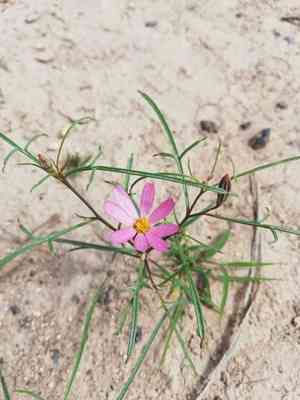
Edwards' hole-in-the-sand plant flourishes when relocated between the beginning and end of spring, since the warming ground fosters root development. It favors bright, adequately drained spots. Verify the site is devoid of weeds to lessen rivalry and enhance proliferation.
Essential Preparations Before Relocating Edwards' Hole-in-the-sand Plant
Optimal Timing for Moving Edwards' Hole-in-the-sand Plant?
The best time to move edwards' hole-in-the-sand plant is during early to mid-spring. This period offers ideal soil warmth and moisture, promoting better root establishment. Mild early spring weather minimizes transplant shock and boosts root development. Relocating edwards' hole-in-the-sand plant then ensures robust growth, leading to a healthier, more resilient plant ready for the growing season.
Recommended Spacing for Edwards' Hole-in-the-sand Plant?
When relocating edwards' hole-in-the-sand plant, position them 12-18 inches (30-45 cm) apart. This spacing allows ample growth and ensures good air circulation, which helps prevent diseases.
Best Soil Blend for Edwards' Hole-in-the-sand Plant Relocation?
For edwards' hole-in-the-sand plant, utilize well-draining sandy or loamy soil. Incorporate a balanced base fertilizer to supply nutrients, ideally one containing nitrogen, phosphorus, and potassium.
Choosing a New Location for Your Edwards' Hole-in-the-sand Plant?
Edwards' hole-in-the-sand plant thrives in full sun, so select a garden spot that receives at least 6-8 hours of direct sunlight daily.
Tools Required Before Transplanting Edwards' Hole-in-the-sand Plant
Gardening Gloves
To safeguard your hands while handling soil and the plant.
Trowel
For digging small holes and lifting the plant.
Shovel or Spade
For excavating larger holes or trenches.
Watering Can or Hose
To keep the soil hydrated before and after relocation.
Compost or Organic Matter
To enrich the planting site.
Garden Fork
To loosen the soil in the designated planting area.
Mulch
To help maintain soil moisture post-transplanting.
Pruners
For trimming any damaged roots or stems.
How to Extract Edwards' Hole-in-the-sand Plant from its Current Location?
How to Extract Edwards' Hole-in-the-sand Plant from its Current Location?
From Ground: First, moisten the soil around the edwards' hole-in-the-sand plant. Then, dig a wide trench around the plant using a shovel or spade, ensuring the root ball remains intact. Carefully work the spade beneath the root ball to lift the plant from its original spot.From Pot: Gently tip the pot sideways and tap its sides to loosen the soil. Carefully slide the edwards' hole-in-the-sand plant out, holding it by the base, not the stems. If root-bound, gently separate the roots with your fingers.From Seedling Tray: Water the seedling tray to make the soil easier to manage. Use a trowel or your fingers to scoop under the seedling, lifting it out with as much soil and root system as possible.
Detailed Guide for Relocating Edwards' Hole-in-the-sand Plant
Preparing the Planting Hole
Dig a hole in the new spot that is twice as wide and the same depth as the root ball of the edwards' hole-in-the-sand plant. This provides ample space for roots to spread and establish.
Adding Soil Amendments
Mix some compost or organic material into the hole to enrich the soil and supply nutrients for the edwards' hole-in-the-sand plant.
Positioning the Plant
Gently place the edwards' hole-in-the-sand plant into the prepared hole, ensuring it sits at the same depth as it was previously. Be careful not to bury the stem.
Backfilling the Hole
Fill the hole with soil, gently pressing it down around the root ball to eliminate any air pockets.
Initial Watering
Water the edwards' hole-in-the-sand plant thoroughly to help settle the soil around the roots and provide initial hydration.
Post-Transplanting Care for Edwards' Hole-in-the-sand Plant
Consistent Watering
Keep the soil around the edwards' hole-in-the-sand plant consistently moist, but not waterlogged, for the first few weeks after transplanting to encourage strong root development.
Applying Mulch
Spread a layer of mulch around the base of the edwards' hole-in-the-sand plant to help retain moisture and suppress weeds.
Monitoring for Stress
Observe the edwards' hole-in-the-sand plant for signs of transplant shock, such as wilting or yellowing leaves, and provide additional care as needed.
Delaying Fertilization
Wait several weeks before applying any fertilizer to avoid damaging the new roots.
Addressing Common Issues During Edwards' Hole-in-the-sand Plant Relocation.
When is the best time to transplant edwards' hole-in-the-sand plant?
Early to late spring is the ideal period for relocating edwards' hole-in-the-sand plant for vigorous growth.
How far apart should I space edwards' hole-in-the-sand plant?
Space edwards' hole-in-the-sand plant plants 12-18 inches (30-45 cm) apart to ensure adequate air circulation.
Why do edwards' hole-in-the-sand plant leaves turn yellow after transplanting?
Yellow leaves can indicate transplant shock; ensure the roots are minimally disturbed.
What's the ideal soil type for edwards' hole-in-the-sand plant?
Well-draining, sandy soil with a neutral pH is optimal for relocating edwards' hole-in-the-sand plant.
How much water does edwards' hole-in-the-sand plant need after transplanting?
Water thoroughly but allow the soil to dry out between waterings to prevent root rot.
What temperature is best for transplanting edwards' hole-in-the-sand plant?
Edwards' hole-in-the-sand plant thrives at temperatures between 60°F and 75°F (15°C and 24°C) during relocation.
How deep should I plant edwards' hole-in-the-sand plant seedlings?
Plant edwards' hole-in-the-sand plant seedlings at the same depth they were in their original containers.
Do I need to fertilize edwards' hole-in-the-sand plant during transplanting?
Adding compost or a balanced slow-release fertilizer can aid edwards' hole-in-the-sand plant in establishing quickly.
What should I do if edwards' hole-in-the-sand plant wilts after transplanting?
Keep the soil moist, provide some shade, and avoid overwatering to help edwards' hole-in-the-sand plant recover.
How can I protect edwards' hole-in-the-sand plant from pests after transplanting?
Use organic insecticides or introduce natural predators to safeguard edwards' hole-in-the-sand plant from common pests.



