The Edwards' hole-in-the-sand plant Plant Advantage: Maximizing Home and Office Appeal and Wellness
1
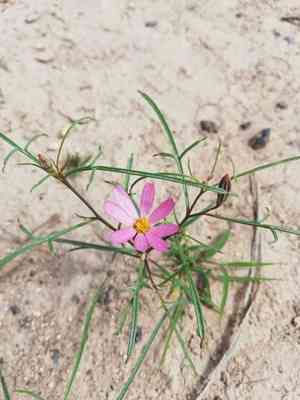
Edwards' hole-in-the-sand plant flourishes in sandy ground and dry climates, making it a robust choice for water-wise landscaping.
2
Edwards' hole-in-the-sand plant draws in beneficial insects, boosting the variety of life in your outdoor space.
3
Edwards' hole-in-the-sand plant helps secure the soil, thereby preventing land degradation in susceptible regions.
Why is Edwards' hole-in-the-sand plant noteworthy?
Resilience to Harsh Environments
A key characteristic of Edwards' hole-in-the-sand plant is its remarkable capacity to thrive in extremely arid and sandy conditions. This makes it an excellent choice for xeriscaping projectsâa landscaping approach aimed at reducing the need for watering. Given growing concerns about water scarcity, incorporating this plant into your garden can contribute to more sustainable living.
Promotes Biodiversity
Edwards' hole-in-the-sand plant plays a vital role in supporting local ecosystems by drawing in various pollinators. Its distinctive blooms provide sustenance for bees, butterflies, and other beneficial insects, which in turn enhance your garden's overall health. Including this plant can foster a flourishing, diverse environment, benefiting both plants and wildlife.
How does Edwards' hole-in-the-sand plant contribute to soil vitality?
Soil Anchoring
The robust root system of Edwards' hole-in-the-sand plant is highly effective at stabilizing soil, making it a valuable asset for preventing erosion. When planted in vulnerable areas prone to soil degradation, it can help maintain soil integrity, protect land structures, and even improve soil quality over time. Its ability to anchor the soil is especially useful in landscapes with loose, sandy soil conditions.
Nutrient Cycling
Although Edwards' hole-in-the-sand plant naturally grows in nutrient-poor soils, it aids in the soil's nutrient cycle. As the plant decomposes, it returns organic matter to the soil, enriching it and enhancing its structure. This natural composting process can boost soil fertility, making it more suitable for the growth of other plants.
Can Edwards' hole-in-the-sand plant improve your garden's visual appeal?
Distinctive Appearance
The unique look of Edwards' hole-in-the-sand plant can add an intriguing aesthetic element to gardens and landscapes. Its unusual growth habit and striking flowers can serve as focal points, creating visual interest and diversity in plant arrangements. It stands out not just for its hardiness but also for its beauty, making it a decorative as well as a practical addition to any garden.
Year-Round Appeal
Edwards' hole-in-the-sand plant offers continuous interest with its unique seasonal behavior. During its flowering period, its blooms provide color and texture, while its foliage can add depth and structure during non-peak times. With thoughtful planning, this plant can enhance both the immediate and long-term visual appeal of your garden.
What is Edwards' hole-in-the-sand plant's role in conservation efforts?
Native Flora Preservation
Cultivating Edwards' hole-in-the-sand plant helps safeguard native flora often threatened by habitat destruction and invasive species. By integrating this plant into your garden or local restoration projects, you actively participate in conservation efforts. Native plants like this one are adapted to local conditions and contribute to ecological balance, supporting local wildlife and natural processes.
Sustainability and Minimal Upkeep
Thriving in areas requiring little human intervention, Edwards' hole-in-the-sand plant is a low-maintenance species that supports sustainable gardening practices. Its ability to flourish with minimal water and care means less reliance on external resources, such as irrigation systems and fertilizers. This makes it an eco-conscious choice for those seeking to create a sustainable landscape.



