How to Propagate Edwards' hole-in-the-sand plant?
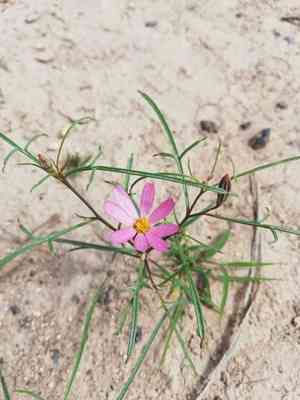
Edwards' hole-in-the-sand plant flourishes when reproduced via the technique of seeding. For successful reproduction, begin with premium seeds and confirm their placement in sandy, well-draining substrate, replicating their native dry environments. Steady hydration during the sprouting period is vital, yet prevent excessive saturation. After establishment, edwards' hole-in-the-sand plant needs little care, thriving in sunny, arid conditions.
Optimal Period for Propagating Edwards' Hole-in-the-sand Plant
Propagation Method
Seeding
Propagation Period
Spring
Tools Utilized for Edwards' Hole-in-the-sand Plant Propagation
Seed trays
Seed trays are perfect for initiating edwards' hole-in-the-sand plant's seeds, as they can hold a suitable growing medium designed for good drainage and moisture retention, vital for germination.
Fine mesh sieve
A fine mesh sieve aids in achieving a fine texture for the soil or sand blend used in seed trays, which supports even dispersal of edwards' hole-in-the-sand plant's small seeds and ensures proper contact with the substrate.
Misting bottle
A misting bottle enables gentle irrigation without disturbing edwards' hole-in-the-sand plant's seeds. Regular misting keeps the substrate damp, which is crucial for the germination of edwards' hole-in-the-sand plant's seeds.
Heat mat
Providing a mild source of bottom warmth with a heat mat can significantly boost the germination rate of edwards' hole-in-the-sand plant by maintaining a consistent soil temperature, especially useful in cooler climates.
Grow lights
Grow lights are advantageous if propagating indoors or during periods of limited sunlight. They supply the necessary light spectrum for edwards' hole-in-the-sand plant's seedlings, ensuring vigorous development.
Labeling sticks
Labeling sticks are essential for tracking sowing dates and identifying plant species, particularly when propagating multiple species like edwards' hole-in-the-sand plant. They assist in monitoring growth progress and care requirements.
Method for Propagating Edwards' Hole-in-the-sand Plant
Propagation Type
Simple
Caring for Your Newly Propagated Edwards' Hole-in-the-sand Plant
Caring for Your Newly Propagated Edwards' Hole-in-the-sand Plant
Post-germination, gradually reduce watering to emulate the natural dry conditions edwards' hole-in-the-sand plant thrives in. As seedlings grow, ensure they are thinned to prevent overcrowding. Continue to shield them from extreme temperatures and direct sun until established and showing robust growth. Gradual acclimatization to edwards' hole-in-the-sand plant's native growing conditions will foster healthy development and resilience.
Common Errors to Avoid When Propagating Edwards' Hole-in-the-sand Plant
Overwatering
Supplying too much water to edwards' hole-in-the-sand plant can lead to root rot, as its natural habitat is arid, well-drained environments. Excessive moisture hinders proper root development and increases the likelihood of fungal infections.
Using dense soil
Employing compact or clay-heavy soil mixtures can impede proper drainage and suffocate edwards' hole-in-the-sand plant's roots. This error obstructs root aeration and can stunt growth or cause decay.
Excessive handling or disturbance
Frequent handling or disturbance of edwards' hole-in-the-sand plant's roots during propagation can stress the plant, leading to poor root development and reduced survival chances. This species requires a stable environment to establish a robust root system.
Advice for Propagating Edwards' Hole-in-the-sand Plant
Use a sandy soil mix
Utilize a well-draining, sandy soil mix that mimics edwards' hole-in-the-sand plant's natural sandy habitat. This ensures adequate drainage and aeration, facilitating healthy root growth and preventing waterlogging.
Moderate watering
Maintain a balance in watering by allowing the soil to slightly dry out between watering sessions. This approach matches the natural watering cycle edwards' hole-in-the-sand plant would experience in its habitat and promotes stronger root growth.
Gentle handling
Handle edwards' hole-in-the-sand plant with care during the propagation process to avoid root damage. Minimize root exposure and physical disturbance to support better adaptation and reduce transplant shock.



