How to Transplant Ball mustard?
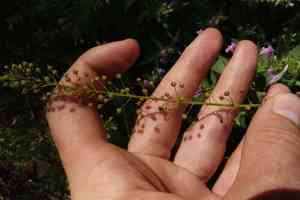
The ideal period for relocating ball mustard is from mid-spring through early summer, since consistent weather conditions foster root development. Select a location bathed in sunlight with soil that drains effectively to guarantee a successful transplantation.
Preparations Required Before Relocating Ball Mustard?
When is the Best Time to Move Ball Mustard?
The ideal period for transferring ball mustard outdoors is once the winter's frost has completely passed. Choosing a time between late April and early June is highly beneficial, as this duration offers ball mustard the gentle warmth and increasing daylight it needs. Transplanting during this revitalizing phase enables ball mustard to develop strong roots before summer's peak. Aligning the move with this natural growth cycle maximizes ball mustard's inherent capacity for abundant, vibrant blooms.
What is the Recommended Spacing Between Ball Mustard Plants?
When preparing to rehouse your ball mustards, ensure sufficient spacing for robust development! Aim for approximately 2-4 inches (5-10 cm) between each plant; this provides ample room for every ball mustard to flourish.
What is the Optimal Soil Mixture for Ball Mustard Transplanting?
For your ball mustards to thrive, begin with well-draining soil rich in organic matter. A suitable foundational fertilizer would be a balanced 10-10-10 (NPK) blend. Apply it according to package directions before planting to give your ball mustards a nutritional head start!
Where Should You Replant Your Ball Mustard?
Your ball mustards adore sunlight! Select a location for them that receives abundant sun exposure â at least 6 hours daily is perfect. This sunny spot will promote vigorous and healthy growth, so find a bright corner in your garden specifically for them.
Equipment Needed Before Transplanting Ball Mustard?
Gardening Gloves
To safeguard your hands while handling soil and plants.
Spade or Shovel
For excavating the ball mustard plant and preparing its new planting site.
Garden Fork
To loosen and aerate the soil around the root ball if necessary.
Watering Can or Hose
To hydrate the ball mustard plant both before and after its relocation.
Pruning Shears
To precisely trim any damaged roots or foliage prior to transplanting.
Wheelbarrow or Plant Dolly
To move the ball mustard plant from its original spot to the new location without harm.
Gardener's Kneeling Pad
To offer comfort for your knees while working on the ground.
How to Extract Ball Mustard from the Soil?
How to Extract Ball Mustard from the Soil?
From Ground: Water the ball mustard plant generously to moisten the soil, which facilitates digging and helps preserve the root ball's integrity. Using a spade or shovel, dig a wide circle around the plant to ensure all roots are included. Slide the spade beneath the root system to carefully lift the ball mustard plant from its current position.From Pot: Water the ball mustard plant thoroughly before the transfer. Turn the pot on its side and gently tap the bottom to dislodge the plant. Support the plant by its base and carefully guide it out of the pot. If roots are tightly bound, gently separate them with your fingers or a gardening fork.From Seedling Tray: Water the seedlings to ensure the soil is damp, which aids in removing the ball mustard plant with its roots intact. Gently loosen the soil around the seedling with a spatula or a small fork and lift the ball mustard plant out, taking care not to disturb the roots.
Step-by-Step Guide for Relocating Ball Mustard
Preparation
Water the ball mustard plant thoroughly before beginning the transplant. This will help minimize transplant shock and keep the root ball cohesive during the move.
Digging Up
Carefully remove the ball mustard plant from its initial spot. Whether from the ground, a pot, or a seedling tray, ensure the root ball remains as intact as possible.
Trimming
Inspect the roots and use pruning shears to remove any parts that are dead or damaged.
Transporting
Utilize a wheelbarrow or plant dolly to move the ball mustard plant to its new site. Handle gently to prevent unnecessary stress on the plant.
Hole Preparation
Dig a hole in the new location that is twice the width of the root ball and of equal depth. Loosen the surrounding soil for easier root expansion.
Placing the Plant
Position the ball mustard plant in the hole so the root collar (where roots meet stem) is at ground level. Adjust the plant to ensure it stands upright.
Filling the Hole
Backfill the hole with soil, gently firming it down as you go to eliminate air pockets around the roots.
Watering
Water the ball mustard plant generously after transplanting to settle the soil and remove any remaining air pockets. This also ensures good contact between the roots and the soil.
Post-Transplant Care for Ball Mustard
Initial Watering
Keep the soil around the ball mustard plant moist initially to encourage a strong root system. Avoid excessive watering to prevent root rot.
Monitoring
Check on the ball mustard plant daily to observe its health and confirm it is adapting well to its new environment.
Support
If needed, provide the ball mustard plant with stakes or supports to help it maintain stability as it grows.
Pruning
Remove any leaves or stems that show signs of stress or damage after the transplant to encourage new, healthy growth.
Mulching
Apply a layer of organic mulch around the base of the ball mustard plant to help retain moisture, regulate soil temperature, and reduce weed competition.
Resolving Common Issues with Ball Mustard Transplantation.
What's the best time to move ball mustard seedlings?
The optimal period for transplanting ball mustard is once spring has fully arrived, typically from mid to late spring.
How far apart should I space ball mustard when transplanting?
Space ball mustard seedlings approximately 2-4 inches (5-10 cm) apart. This provides ample room for growth.
What light conditions does ball mustard require after transplant?
After transplanting, ensure ball mustard receives full sunlight to partial shade for optimal growth.
Why are my transplanted ball mustard seedlings wilting?
Wilting can stem from shock or insufficient watering. Gradually acclimatize them to outdoor conditions and keep the soil moist.
Can I transplant ball mustard during hot weather?
Transplant ball mustard during cooler parts of the day, avoiding high temperatures to prevent stress and wilting.
Should I fertilize ball mustard after transplanting?
Yes, but wait 2-3 weeks post-transplant before applying a balanced fertilizer to prevent root burn.
How do I prepare the soil for transplanting ball mustard?
Work the soil until fine and crumbly, then enrich it with compost or well-rotted manure for ball mustard seedlings.
How deep should I plant ball mustard seedlings?
Transplant ball mustard seedlings at the same depth they were in containers, ensuring roots are fully covered.
What is the best way to water ball mustard after transplanting?
Provide gentle, consistent watering at the base to keep the soil evenly moist but not waterlogged.
What should I do if ball mustard shows signs of transplant shock?
Minimize transplant shock by keeping ball mustard well-watered, shaded for a few days, and avoid immediate fertilization.



