How to Prune Ball mustard?
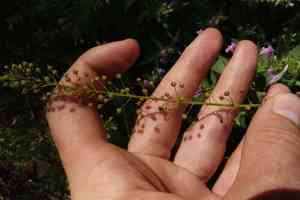
Ball mustard, a resilient annual adorned with tiny yellow blossoms, flourishes with little upkeep yet gains from deliberate trimming to foster vitality and regulate expansion. Eliminate lifeless or frail stalks at the start of the cultivation period to stimulate vigorous leaves and blossoms. The most effective trimming takes place following the summer or autumn bloom, averting undesired self-propagation. Consistent removal of faded flowers, a technique called deadheading, extends the flowering duration and preserves the plant's neat look.
What Are the Benefits of Pruning Ball Mustard?
What Are the Benefits of Pruning Ball Mustard?
Trimming ball mustard promotes robust development and helps preserve its desired form, leading to a healthier and more visually appealing plant.
What Is the Best Time for Pruning Ball Mustard?
What Is the Best Time for Pruning Ball Mustard?
Ball mustard should be trimmed in late Spring once the final frost has passed to eliminate any dead or damaged stems and encourage strong growth. Pruning at this time allows ball mustard to recover quickly and direct energy into new growth during its active season. Early Fall is also an ideal period for trimming ball mustard, but ensure it's done well before the first frost. This enables ball mustard to heal prior to dormancy and prevents unnecessary stress that could weaken the plant or increase its susceptibility to diseases. Avoid pruning in late Fall as it can stimulate new growth that won't harden before frosts, potentially harming the plant.
What Tools Do I Need to Prune Ball Mustard?
Bypass Pruners
These pruners create clean and precise cuts, crucial for maintaining the health of ball mustard. Their sharp, curved blades are effective for cutting through stems without causing undue damage.
Gloves
Protective gloves are vital for safety when trimming ball mustard. They will shield the gardener's hands from scratches and potential skin irritants.
Handheld Pruning Saw
For older or woodier stems that bypass pruners cannot manage, a pruning saw with fine teeth is recommended. It allows gardeners to remove thicker branches cleanly without tearing, which is essential for the well-being of ball mustard.
Pruning Snips
For more delicate or detailed work, such as thinning dense clusters or deadheading, pruning snips are suitable due to their accuracy and ease of use.
How to Prune Ball Mustard
Identification
Confirm the ball mustard plant has withered leaves that require trimming. This is important to prevent unnecessary cuts that could harm the plant.
Sterilization
Before starting the pruning process, sterilize pruning tools with rubbing alcohol or a bleach solution to prevent the spread of disease to the ball mustard.
Snipping
Using clean, sharp scissors or secateurs, carefully snip off the withered leaves at their base where they meet the stem. Avoid damaging the healthy parts of the ball mustard.
Disposal
Discard the removed withered leaves away from the ball mustard to minimize the risk of disease and pests.
Inspection
Examine the ball mustard for any remaining unhealthy or damaged foliage after pruning and remove if necessary, following the same method as above.
Common Pruning Mistakes with Ball Mustard
Overpruning
Removing excessive foliage from ball mustard can weaken the plant, reducing its ability to photosynthesize and making it more vulnerable to diseases.
Incorrect cuts
Improper cutting techniques can damage the stems of ball mustard, creating wounds that can become entry points for pests and disease.
Dull tools
Using blunt pruning tools can result in jagged cuts that do not heal properly and can stress ball mustard, paving the way for infections.
Pruning without disinfecting
Failing to sanitize pruning tools can spread diseases from infected plants to healthy ones, impacting the overall health of ball mustard.
Pruning during active growth
While the timing has been omitted, trimming ball mustard during periods of active growth unnecessarily can divert energy from crucial development, affecting its vigor and bloom potential.
Common Pruning Tips for Ball Mustard
Selective pruning
Focus on removing only dead, diseased, or overgrown branches to maintain plant health and allow for air circulation within ball mustard.
Angle cuts
Make clean cuts at a 45-degree angle facing away from the bud to promote proper healing and prevent water from accumulating on the cut surface of ball mustard.
Tool maintenance
Keep pruning tools sharp and clean to create smooth, clean cuts that heal quickly and minimize stress to ball mustard.
Disinfect tools
Disinfect tools before and after pruning each ball mustard plant to prevent the spread of pathogens.
Prune to shape
Ball mustard may benefit from light pruning to maintain its shape and encourage bushier growth, but it's important to avoid extensive shaping that might compromise the plant's natural form.



