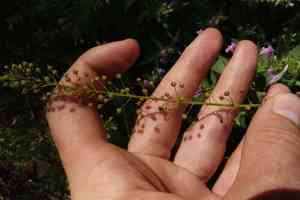
Ball mustard (Neslia paniculata)
Also known as: Southern ball mustard
**Neslia paniculata**, commonly known as **ball mustard**, derives its name from its spherical fruits that resemble mustard seeds in color. Originally from Eurasia, this plant has spread to regions such as the Americas, Britain, and Australia. It is often regarded as a weed because it tends to contaminate canola and mustard crops.
In This Article
Attributes of Ball mustard
Lifespan
Annual
Plant Type
Herb
Plant Height
1 m
Spread
N/A
Leaf Color
Green
Flower Size
5 mm
Flower Color
Yellow
Images of Ball mustard
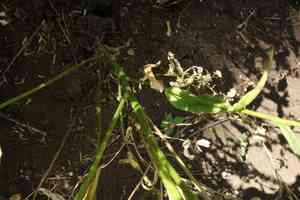
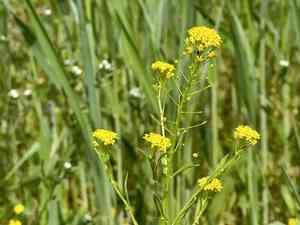
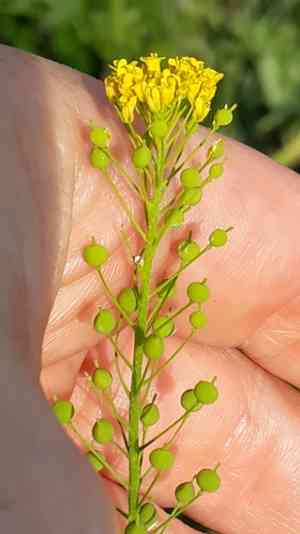
Quickly Identify Ball mustard
1
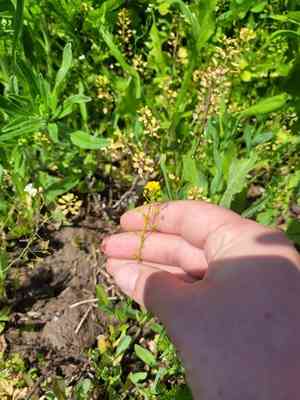
Identify Neslia paniculata by its round, small fruits, its paniculate (branched) inflorescences, and seed pods that appear ball-shaped. It has small yellow flowers typical of the mustard family.
Scientific Classification of Ball mustard
Phylum
Vascular plants
Class
Dicotyledons
Order
Brassicales
Family
Cruciferae
Genus
Neslia
Species
Ball mustard
Planting and Growing of Ball mustard
Care Difficulty
Easy
Watering Schedule
Every 2 days
Sunlight Requirements
Partial sun
Sunshine Duration
6-10 hours
Ideal Temperature
60-70℉
Soil Type
Potting Mix, Peat Mix
Soil pH
6.5-7.5
Fertilizer Type
Balanced
Pruning Season
Spring, Summer
Pruning Area
Branches, Leaves
Pruning Frequency
2 times a year
Repotting Season
Spring
Pot Type
Plastic, Ceramic
 How to Water Ball mustard?
When watering Neslia paniculata, ensure the soil is moist but not waterlogged. Aim for about 200 ml of water per session, allowing it to soak in thoroughly.
What are the symptoms of an underwatered Ball mustard?
›
What should I do if my Ball mustard is not getting enough water?
›
What are the symptoms of an overwatered Ball mustard?
›
How to save an overwatered Ball mustard?
›
 What Are the Sunlight Requirements for Ball mustard?
The ideal light exposure for Neslia paniculata is partial to full sun, ensuring at least 6 to 8 hours of sunlight daily. This promotes strong growth and vibrant foliage, enhancing its overall health and beauty.
What is the best location for Neslia paniculata?
›
How can I ensure Neslia paniculata receives adequate sunlight?
›
What benefits does Neslia paniculata gain from ideal lighting?
›
 What Is the Ideal Temperature Range for Ball mustard?
The ideal temperature range for Neslia paniculata is between 60°F and 70°F. This range provides optimal conditions for growth and ensures that the plant's metabolic processes function efficiently. Within these temperatures, the plant can photosynthesize effectively, maintain moisture balance, and develop strong, healthy structures.
 What Soil is Best for Ball mustard?
Neslia paniculata thrives best in well-drained soil. This type of soil helps prevent waterlogging, which can lead to root rot and other fungal issues, allowing the plant to establish strong roots. A soil composition rich in organic nutrients supports healthy growth and optimal flowering of Neslia paniculata. Such a nutrient-rich environment ensures the plant has sufficient fertilizer and minerals to develop vigorously. While this plant needs good drainage, it also requires soil that can retain some moisture, ensuring the roots remain hydrated between watering intervals. This balance aids in maintaining steady growth.
 How to Fertilize Ball mustard?
For Neslia paniculata, the fertilizer amount is quite modest. Liquid fertilizers should be applied at a concentration of half the recommended dose on the package, about 10-15ml per liter of water should suffice. For slow-release fertilizers, a handful (approximately 20g) scattered around each plant base will provide necessary nutrients without overwhelming the plant.
 How to Prune Ball mustard?
Start by identifying any dead or diseased stems. These should be the first to be cut back to improve the overall health and appearance of the plant. Trim the plant back by about one-third to control its size and encourage new growth. Focus on maintaining a balanced shape to ensure even exposure to sunlight. When pruning, make your cuts just above a leaf node or joint. This will stimulate new growth in the direction you want and helps maintain a uniform appearance.
More About Pruning Techniques→
 How to Propagate Ball mustard plant?
1
Fill the seed tray with a well-draining potting mix, making sure it is evenly distributed. Create small indentations in the soil to hold the seeds.
2
Evenly distribute the seeds across the surface of the soil and gently press them into place. Cover lightly with a thin layer of potting mix.
3
After sowing, water the seeds gently but thoroughly to ensure the soil is moist but not waterlogged. This encourages healthy germination.
 How to Repot Ball mustard plant?
1
Neslia paniculata should be repotted when you observe the roots starting to circle the pot or grow out of the drainage holes. Additionally, if you notice the soil staying dry for long periods despite watering, it might be time for a change. Spring is ideal as it prepares the plant for a healthy growth season.
2
Opt for a pot that's about 2 inches larger in diameter than the current one to accommodate root growth. Ensure that it offers adequate drainage because Neslia paniculata hates wet feet. A pot with drainage holes will prevent root rot and support healthy growing conditions.
3
Select a well-drained loamy soil with good aeration properties. Such soil will provide the necessary nutrients while allowing excess water to escape. This helps the plant to avoid the risk of diseases caused by waterlogging, promoting robust growth.



