How to Transplant Fishtail swordfern?
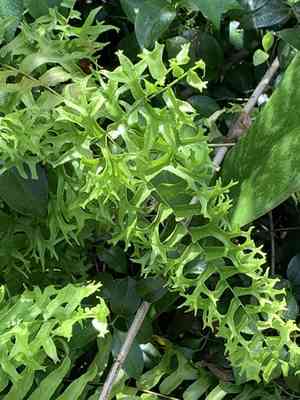
The most favorable period for relocating fishtail swordfern is from the latter part of spring until the middle of summer, allowing it to benefit from ideal growth circumstances. Choose a location that offers good drainage and shade, gently amending the earth if necessary to foster vigorous development.
Necessary Preparations Before Relocating Fishtail Swordfern
Optimal Period for Relocating Fishtail Swordfern?
Move your fishtail swordfern when the gentle warmth of late spring or early summer graces your garden. During this time, the soil temperature is ideal, promoting robust root development. This prime window gives fishtail swordfern a strong start, ensuring its prosperity. A helpful hint – this season truly supports fishtail swordfern's adaptation, allowing it to establish itself before the peak summer heat. It's the considerate approach to gardening!
Required Spacing Between Fishtail Swordfern Plants?
To provide your fishtail swordfern ample room for development, position them approximately 1-2 feet (30.5-61 cm) apart. This prevents root entanglement and facilitates optimal growth for each specimen.
Ideal Soil Mixture for Fishtail Swordfern Relocation?
Your fishtail swordfern will thrive in soil that drains well and is rich in organic matter. Prior to relocation, incorporate some compost or aged manure. This serves as a slow-release, organic fertilizer, enriching the soil and aiding the fishtail swordfern's vigorous growth.
Optimal Placement for Your Fishtail Swordfern?
Location is crucial! Your fishtail swordfern prefers partial to full shade. Select a spot where it will receive bright, indirect sunlight for most of the day. Excessive direct sun may scorch its fronds. Happy gardening!
Equipment Needed Before Relocating Fishtail Swordfern
Gardening Gloves
To safeguard your hands from dirt and prevent potential scrapes or injuries while handling the plant and its surrounding earth.
Shovel or Spade
For excavating around the fishtail swordfern's root ball, both for its removal from the original site and its placement in the new area.
Garden Trowel
To adjust the soil within and around the fishtail swordfern's root ball once it has been positioned in the new cavity.
Watering Can
To supply fishtail swordfern with sufficient moisture immediately following its relocation.
Mulch/Rich Compost
To enrich the new planting site and encourage rapid recovery and growth of fishtail swordfern after its move.
Wagon or Wheelbarrow
Especially useful when transporting larger plants or when the destination is a considerable distance from the starting point.
How to Extract Fishtail Swordfern from the Soil?
How to Extract Fishtail Swordfern from the Soil?
From Ground: Begin by moistening the soil surrounding the fishtail swordfern plant to loosen it, making excavation easier. Next, using a shovel or spade, dig a trench around the plant, ensuring sufficient depth to avoid damaging the plant's root ball. Gradually work the spade beneath the root ball and carefully lift the fishtail swordfern plant.From Pot: If fishtail swordfern is in a container, start by saturating the potting mix with water. Gently invert the pot and tap its base to help the plant slide out. It's crucial not to pull the plant by its stem to prevent any harm.From Seedling Tray: Carefully loosen the soil around the fishtail swordfern seedling with a craft stick or a fork, avoiding any disturbance to the root system. Hold the plant by its leaves (never by its stem), and gently lift it from the tray.
Step-by-Step Guide for Relocating Fishtail Swordfern
Site Preparation
Clear the new planting area of any weeds, debris, or rocks and ensure it is ready to receive fishtail swordfern.
Digging
Use a spade or shovel to excavate a hole in the new location, making it twice the size of the fishtail swordfern's root ball to provide ample space.
Placement
Carefully position the fishtail swordfern in the hole, ensuring the top of the root ball is level with the surrounding ground.
Soil Backfill
Refill the hole with the same soil you removed. Gently pat around the plant's base with the back of the trowel to eliminate air pockets.
Watering
Water the fishtail swordfern immediately after relocation. Provide a generous amount, but do not saturate the ground.
Mulching
Spread a layer of mulch or rich compost around the plant; this will help retain soil moisture and inhibit weed growth.
Post-Relocation Care for Fishtail Swordfern
Monitoring
Closely observe fishtail swordfern for the initial few weeks after its move. This is a crucial period during which the plant must adapt and grow into its new surroundings. Changes in leaf color or a lack of growth can signal an issue.
Consistent Watering
It's important to provide fishtail swordfern with regular watering for the first few weeks post-relocation; this aids in establishing a robust root system while keeping the soil pleasantly moist. Avoid overwatering, as it could lead to root rot.
Protection
Depending on the season and climate, fishtail swordfern may require some defense against harsh weather conditions such as intense sunlight, strong winds, or frost. Consider utilizing shade cloths, windbreaks, or covers as appropriate.
Addressing Common Issues with Fishtail Swordfern Relocation.
What is the optimal time of year for relocating fishtail swordfern?
The best period for relocating fishtail swordfern is between the third and fifth seasons, ensuring prime budding.
How much space should I allow between each fishtail swordfern when relocating?
For healthy development of fishtail swordfern, maintain a distance of 1-2 feet (30-60 cm), providing ample room for frond expansion.
How do I prepare the soil for relocating fishtail swordfern?
Begin by clearing any weeds and incorporate compost into the top layer of your soil. This enriches the soil and offers fishtail swordfern a nourishing environment for growth.
How deep should the hole be when relocating fishtail swordfern?
Excavate a hole twice the size of your fishtail swordfern's root ball. This allows roots to spread comfortably, leading to improved growth.
How should I care for fishtail swordfern after relocating?
After relocation, fishtail swordfern requires consistent watering and partial to full sun exposure. Additionally, applying a slow-release fertilizer enhances its vitality.
What are the indicators that fishtail swordfern is struggling after its move?
If fishtail swordfern's fronds begin to yellow or droop, it may signal problems. Check for insufficient watering, excessive sun exposure, or pests and diseases.
How often should I water fishtail swordfern after relocating?
Water fishtail swordfern thoroughly after relocation, then regularly as the top inch (2.54 cm) of soil dries out. Do not overwater, as it may encourage root decay.
Is pruning necessary for fishtail swordfern after relocating?
You should trim any dead or yellowing fronds after relocating fishtail swordfern. This ensures the plant's energy is directed towards new growth.
Can I relocate fishtail swordfern indoors?
Fishtail swordfern can be successfully grown indoors, provided they receive 6-8 hours of indirect sunlight and are kept in well-drained soils.
How can I prevent root shock in fishtail swordfern during relocation?
To avoid root shock, ensure fishtail swordfern is well-hydrated before you begin the relocation process. Also, avoid rough handling of the root ball during the move.



