How Much Sunlight Do Fishtail swordfern Need?
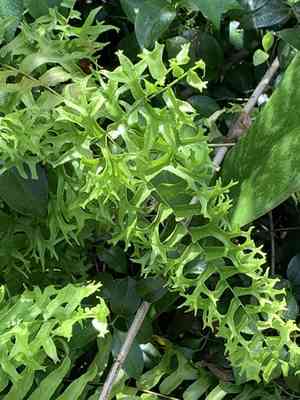
1
Fishtail swordfern flourishes with moderate sun exposure, needing roughly 3-6 hours of light each day.
2
Intense sun can cause harm and scorching to your Fishtail swordfern.
3
Modifying light conditions indoors and outdoors can improve your fern's development and vitality.
Optimal Sunlight Conditions for Fishtail Swordfern
Indirect Illumination
Indirect sunlight is among the best lighting conditions for your Fishtail swordfern. These ferns naturally grow beneath the canopy of taller plants, receiving filtered, diffused light. Placing your fern where it gets bright but indirect sunlight allows it to flourish without the harsh effects of direct rays. A north-facing window or an area with sheer curtains can offer the ideal setting.
Filtered Illumination
Beyond indirect light, Fishtail swordfern also thrives in filtered light. This means the light, while strong, is scattered or softened by passing through another medium, such as a light shade or trees. Outdoor placement under a tree or on a patio with a slatted cover can effectively mimic these conditions. Remember, the goal is to prevent direct sun exposure that can harm the plant.
Can Fishtail Swordfern Withstand Direct Sun Exposure?
Potential Harm
Direct sunlight can be detrimental to your Fishtail swordfern. Intense rays can scorch the foliage, leading to unsightly browning and wilting. Always monitor the light exposure your fern receives. If it begins to look scorched, it's crucial to move it to a shadier location to prevent further damage.
Signs of Sunburn
Sunburned fern leaves are a common sign of excessive direct sunlight. Look for crispy, brown edges or patches on the leaves. The foliage may also appear pale or bleached. If you observe these symptoms, it's time to relocate your plant. Ensuring your fern receives only the right amount of indirect or filtered light will keep it vibrant and green.
How to Position Your Fishtail Swordfern for Best Sunlight
Ideal Indoor Spots
For indoor placement, consider areas that receive ample natural light without being directly in the sun's path. A northeast or northwest-facing window is perfect, providing sufficient light without the intensity of direct sun. Another excellent spot is near a south-facing window, but with sheer curtains to diffuse the light.
Outdoor Placement Advice
Outdoor ferns can thrive in shaded garden areas. Position your Fishtail swordfern beneath a large tree where sunlight is filtered through the leaves, or in spots receiving dappled sunlight. A shaded patio or a north-facing wall can also be great locations to shield it from excessive sun while still providing the light needed for growth.
Artificial Lighting for Fishtail Swordfern
Types of Grow Lights
When natural light is insufficient, or to supplement it during darker months, artificial lighting can greatly benefit your Fishtail swordfern. Fluorescent lights, especially full-spectrum or grow lights, simulate natural sunlight and provide the necessary light spectrum for plant development. LED grow lights are another popular choice due to their energy efficiency and effective light output.
Setting Up Grow Lights
When arranging artificial lights, aim for them to be approximately 30-60 centimeters (12-24 inches) above the plant, ensuring they cover the entire fern canopy. Daily exposure of about 14-16 hours of artificial light can substitute for natural light, ensuring your fern receives the consistent illumination it needs to remain healthy.
Seasonal Light Changes and Fishtail Swordfern Care
Winter Light Adjustments
During winter, natural sunlight decreases, and days become shorter. It's vital to compensate for this reduced light with artificial lighting or by moving your fern to a brighter spot indoors. If using artificial lights, extend daily exposure to around 16 hours to mimic summer conditions.
Summer Light Considerations
In the summer months, sunlight intensity significantly increases. To protect your Fishtail swordfern, ensure it's in a location where direct sun during the scorching midday hours is avoided. Morning sunlight followed by afternoon shade is optimal. Moving your fern to a slightly more shaded spot or increasing light filtration can help maintain its health during peak summer sun.



