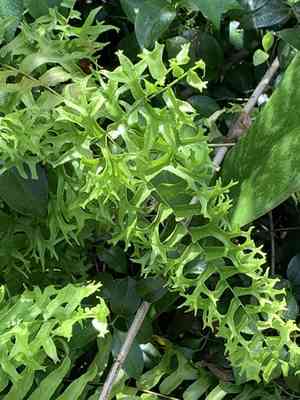
Fishtail swordfern (Nephrolepis falcata)
Also known as: Fishtail Sword Fern, Narrow Sword Fern
The vegetable fern (Diplazium esculentum) is a tropical plant found in regions like Thailand, Vietnam, and Australia. It is popular in landscaping for its attractive foliage and is often used as ground cover or in decorative containers. In various Asian cuisines, the young fronds are boiled and consumed as a vegetable.
In This Article
Attributes of Fishtail swordfern
Lifespan
Perennial
Plant Type
Herb
Plant Height
61 cm to 91 cm
Spread
45 cm to 60 cm
Leaf Color
Green
Flower Size
N/A
Flower Color
N/A
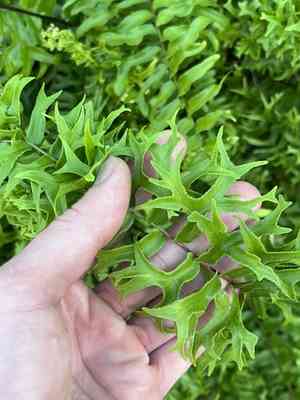
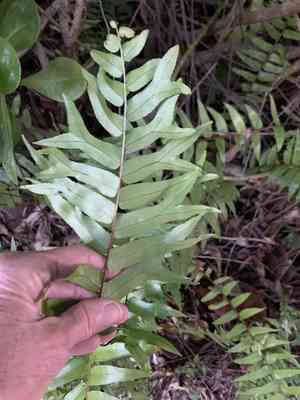
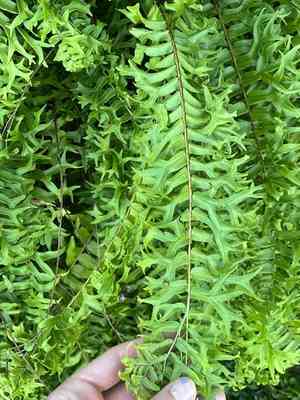
Images of Fishtail swordfern
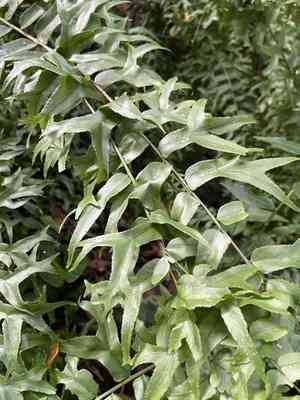
Quickly Identify Fishtail swordfern
1
Nephrolepis falcata can be identified by its green, fishtail-like fronds that split at the ends. It typically grows in a clumping manner and has a sturdy, upright habit.
Scientific Classification of Fishtail swordfern
Phylum
Vascular plants
Class
Ferns
Order
Polypodiales
Family
Swordfern
Genus
Boston ferns
Species
Fishtail swordfern
Planting and Growing of Fishtail swordfern
Care Difficulty
Easy
Watering Schedule
Every 8 days
Sunlight Requirements
Partial sun
Sunshine Duration
4-8 hours
Ideal Temperature
60-75℉
Soil Type
Potting Mix, Peat Mix
Soil pH
6.5-7.5
Fertilizer Type
Balanced
Pruning Season
Spring, Summer
Pruning Area
Branches, Leaves
Pruning Frequency
2 times a year
Repotting Season
Spring
Pot Type
Plastic, Ceramic
 How to Water Fishtail swordfern?
Water your Nephrolepis falcata generously to ensure the soil remains evenly moist but never soggy. It's best to water until about 250 ml has drained through to the bottom of the pot, signaling that the roots have received enough moisture without risk of waterlogging.
What are the symptoms of an underwatered Fishtail swordfern?
›
What should I do if my Fishtail swordfern is not getting enough water?
›
What are the symptoms of an overwatered Fishtail swordfern?
›
How to save an overwatered Fishtail swordfern?
›
 What Are the Sunlight Requirements for Fishtail swordfern?
Nephrolepis falcata prefers partial sun conditions. Providing it with partial sun ensures balanced photosynthesis, promoting healthy growth, and minimizing stress. Ideal light allows for lush, vibrant foliage and a strong resistance to common plant issues.
More About Sunlight Requirements Techniques→
What is the best lighting condition for Nephrolepis falcata?
›
How can I ensure Nephrolepis falcata receives ideal lighting?
›
What are the benefits of providing ideal lighting to Nephrolepis falcata?
›
 What Is the Ideal Temperature Range for Fishtail swordfern?
For Nephrolepis falcata, the ideal temperature range is between 60°F to 75°F. This range provides a warm, consistent environment that mimics their natural habitat, allowing the ferns to thrive. At these temperatures, the plant's physiological processes are optimized, which supports healthy growth and robust foliage.
 What Soil is Best for Fishtail swordfern?
Nephrolepis falcata thrives in soil that retains moisture without becoming waterlogged. This characteristic allows for consistent hydration, which is crucial for the plant's lush and green foliage. Good moisture retention ensures that the roots receive enough water, enhancing the plant's overall health and growth. While retaining moisture, the soil must also allow for proper drainage to prevent root rot and other water-related issues. A well-draining soil keeps the roots aerated and healthy, which is essential for the fern's robust development. This balance is perfect for avoiding water stagnation, which can be detrimental to fern species. Fertile soil rich in organic matter supports the growth of Nephrolepis falcata by providing essential nutrients. This nutrient-rich environment aids in the production of healthy fronds and supports the plant's photosynthetic processes, leading to vibrant and resilient growth.
 How to Fertilize Fishtail swordfern?
Nephrolepis falcata, commonly known as the sickle fern, prefers a balanced approach when it comes to fertilization. Use a half-strength liquid fertilizer to avoid overwhelming the roots and ensure steady growth. Over-fertilizing can cause more harm than good as it risks burning the fern's delicate roots.
 How to Prune Fishtail swordfern?
Begin by inspecting the plant for any damaged or discolored fronds. Use clean, sharp scissors or pruning shears to cut these fronds back to the base of the plant. Be gentle in handling the plant to avoid damaging healthy fronds. Trim any excessively long stems if they disrupt the overall shape or symmetry of the plant. After pruning, dispose of the cuttings properly to prevent any potential disease spread.
More About Pruning Techniques→
 How to Propagate Fishtail swordfern plant?
1
Before dividing, water the plant thoroughly to make the roots easier to work with. This ensures the plant is healthy and less stressed during division.
2
With the knife or garden shears, carefully divide the root ball into sections, ensuring that each section has both roots and fronds. Aim for minimal disruption to the plant.
3
Plant each section in a container filled with fresh potting soil. Make sure each division is planted at the same depth as it was originally for the best chance of success.
 How to Repot Fishtail swordfern plant?
1
Nephrolepis falcata shows signs it needs repotting when its roots start to outgrow the pot, becoming visible through drainage holes or causing the soil to dry out quickly. Repotting is ideal in spring or summer when the plant is actively growing, ensuring it recovers swiftly from transplant shock.
2
Select a pot that's 2 inches larger in diameter than the current one. Ensure it has drainage holes to prevent waterlogging, which can cause root rot. Terracotta pots are excellent as they provide breathability, allowing moisture to dissipate evenly and maintaining optimal root health.
3
Opt for a well-draining, loamy soil mix, enriched with organic matter such as peat moss or compost. This encourages aeration and drainage, essential for preventing root rot, while providing the necessary nutrients for healthy growth.



