How to Transplant Asian sword fern?
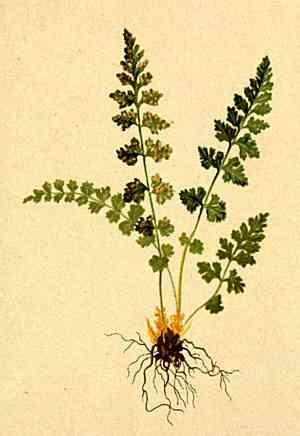
For asian sword fern, the interval spanning early to late winter, frequently referred to as 'the dormant phase,' is ideal for transplantation. At this point, choose a shaded location featuring soil that drains effectively. To foster vigorous development, guarantee minimal disruption to the root system.
What Preparations are Needed Before Transplanting Asian Sword Fern?
What is the Ideal Time for Transplanting Asian Sword Fern?
For asian sword fern, the best time to move it is during its dormant phase, usually from late autumn to early spring. Relocating asian sword fern during this less active growth period allows its roots to settle into the new spot without the stress of extreme heat or rapid growth. Furthermore, transplanting asian sword fern at this time helps root development before spring, ensuring a strong system to support new growth when the season arrives. Remember, moving asian sword fern now will help prevent transplant shock, as the cooler, moister conditions promote better root establishment, boosting the fern's overall health and longevity.
How Much Space Should You Leave Between Asian Sword Fern Plants?
When preparing to rehome asian sword fern, remember to provide ample room for growth! Position the transplants approximately 18-24 inches (45-60 cm) apart. This spacing ensures each asian sword fern has sufficient area to expand and won't compete with neighboring plants for resources.
What is the Best Soil Mix for Asian Sword Fern Transplanting?
Prepare a welcoming bed for your asian sword fern by selecting well-draining soil rich in organic material. A light application of a balanced, slow-release fertilizer will provide your asian sword fern with a beneficial nutrient boost as it acclimates to its new environment!
Where Should You Relocate Your Asian Sword Fern?
Your asian sword fern will thrive in a location that offers partial to full shade from intense sunlight. Choosing such a spot will replicate asian sword fern's natural habitat, keeping your green companion content, vibrant, and growing optimally.
What Equipments Should You Prepare Before Transplantation Asian Sword Fern?
Gardening Gloves
To safeguard your hands while handling soil and plants.
Spade or Shovel
For excavating the plant and preparing the new planting site.
Hand Trowel
For more precise tasks and adjusting the planting hole.
Pruning Shears
To remove any dead or damaged fronds.
Watering Can or Garden Hose
Crucial for hydrating asian sword fern before and after relocation.
Wheelbarrow or Plant Carrier
To safely move asian sword fern from one spot to another.
How Do You Remove Asian Sword Fern from the Soil?
How Do You Remove Asian Sword Fern from the Soil?
From Ground: Hydrate the asian sword fern to moisten the soil. Then, dig a wide circle around the plant, extending to the edge of its fronds, to preserve the root ball. Carefully slide a spade beneath the root ball and lift asian sword fern out of the ground.From Pot: Start by watering the asian sword fern, allowing moisture to penetrate and loosen the soil. Invert the pot and gently tap the base to help asian sword fern slide out. If needed, run a knife along the inner rim to separate the plant and soil from the container.From Seedling Tray: Water each section of the tray to prevent root damage. Use a spoon or a dibber to gently loosen the soil around each asian sword fern before carefully extracting them with minimal disruption.
Step-by-Step Guide for Transplanting Asian Sword Fern
Preparation
Gather all necessary tools and ensure asian sword fern is thoroughly watered a few hours prior to transplanting to minimize shock.
Root Ball Check
Examine asian sword fern's root ball for any indications of disease or damage and trim away any unhealthy sections with pruning shears.
Digging New Hole
Excavate a hole in the designated planting area. The hole should be twice as wide as the root ball and of similar depth, allowing roots to spread and establish.
Transplanting
Gently lower asian sword fern into the hole, ensuring the top of the root ball is level with the ground surface. Backfill the hole with soil, pressing down lightly to eliminate air pockets.
Watering In
Water asian sword fern thoroughly after planting to settle the soil around the roots and provide essential hydration.
How Do You Care For Asian Sword Fern After Transplanting?
Stabilizing
Utilize nearby plants or temporary stakes to offer support if asian sword fern appears to be leaning or unstable post-transplant.
Pruning
Remove any fronds that sustained damage during the transplant process to encourage new growth.
Continued Watering
Keep asian sword fern's soil consistently moist to promote root development, avoiding overwatering which can lead to root rot.
Monitoring
Observe your asian sword fern for signs of stress, such as wilting or yellowing fronds, and intervene if necessary.
Troubleshooting Common Issues with Asian Sword Fern Transplantation.
What's the best time of year to transplant asian sword fern?
The optimal period for transplanting asian sword fern is during cooler months, from early to late winter, providing a more favorable environment for root establishment.
How far apart should I space asian sword fern when transplanting?
When relocating asian sword fern, allow 18-24 inches (45-60 cm) between plants to ensure adequate room for growth.
Should I water asian sword fern immediately after transplanting?
Yes, provide asian sword fern with a generous watering right after transplanting to settle the soil around the roots and aid recovery.
How deep should I plant asian sword fern?
The root ball of asian sword fern should be planted at the same depth it was previously growing to encourage proper establishment.
How much sunlight does asian sword fern need after transplanting?
Provide asian sword fern with partial to full shade after transplanting, ensuring protection from intense midday sun.
What should I do if leaves of asian sword fern wilt after transplanting?
Wilting can be normal; ensure sufficient watering and shade. If it persists, check for root damage or diseases.
Can asian sword fern be transplanted during summer or spring?
While not ideal, asian sword fern can be moved in spring; avoid summer due to heat stress on the newly transplanted ferns.
How do I prepare soil for transplanting asian sword fern?
Enrich the soil with organic matter and ensure it drains well to create an optimal environment for asian sword fern.
Can I use fertilizer when transplanting asian sword fern?
It's best to avoid immediate fertilization; let asian sword fern focus on root establishment. Fertilize after a few weeks with a mild product.
When can I expect asian sword fern to fully recover from transplant shock?
Typically, asian sword fern should recover from transplant shock within a few weeks, given proper care and suitable growing conditions.



