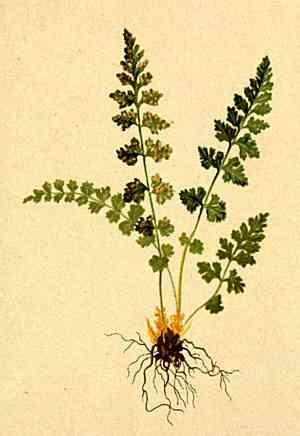
Asian sword fern (Nephrolepis brownii)
Also known as: Brown's Sword Fern
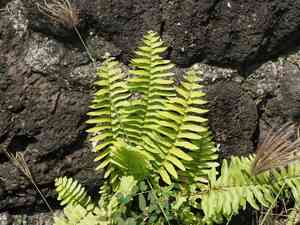
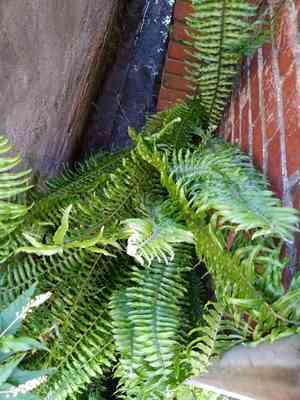
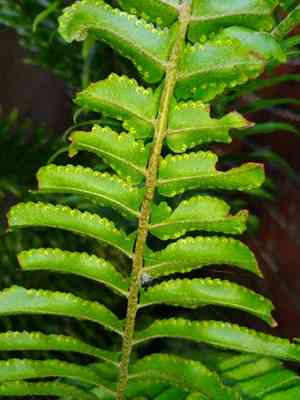
The Asian Sword Fern (Nephrolepis biserrata) is a graceful fern known for its arching, lance-shaped fronds that can extend up to a meter in length. Its lush, feathery fronds create a striking visual display. The pinnae, or small leaflets, grow in a pattern reminiscent of fish scales, offering a distinctive texture. This fern thrives in warm, humid environments and prefers dappled sunlight, commonly found in forest understories where it adds a touch of elegant greenery.
In This Article
Attributes of Asian sword fern
Lifespan
Perennial
Plant Type
Herb
Plant Height
61 cm to 91 cm
Spread
Up to 1.5 meters
Leaf Color
Medium to dark green
Flower Size
N/A (ferns do not produce flowers)
Flower Color
N/A (ferns do not produce flowers)
Images of Asian sword fern
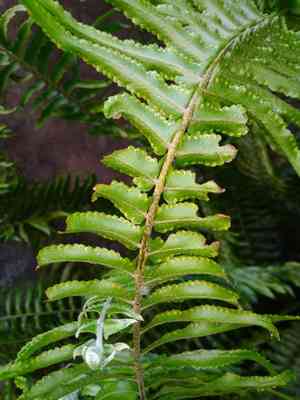
Quickly Identify Asian sword fern
1
Recognizable by its arching, feather-like fronds, and slender, slightly wavy pinnae. It often forms dense clumps.
Scientific Classification of Asian sword fern
Phylum
Vascular plants
Class
Ferns
Order
Polypodiales
Family
Swordfern
Genus
Boston ferns
Species
Asian sword fern
Planting and Growing of Asian sword fern
Care Difficulty
Easy
Watering Schedule
Every 4 days
Sunlight Requirements
Partial sun
Sunshine Duration
4-8 hours
Ideal Temperature
65-75℉
Soil Type
Potting Mix, Peat Mix
Soil pH
6.5-7.5
Fertilizer Type
Balanced
Pruning Season
Spring, Summer
Pruning Area
Branches, Leaves
Pruning Frequency
2 times a year
Repotting Season
Spring
Pot Type
Plastic, Ceramic
 How to Water Asian sword fern?
Nephrolepis brownii requires moderate watering. The goal is to keep the soil consistently moist but not waterlogged. Pour 250 ml of water per session, ensuring it evenly reaches the root zone. The plant prefers the soil to be moist to touch but not wet or soggy, following the principle of 'little and often'.
What are the symptoms of an underwatered Asian sword fern?
›
What should I do if my Asian sword fern is not getting enough water?
›
What are the symptoms of an overwatered Asian sword fern?
›
How to save an overwatered Asian sword fern?
›
 What Are the Sunlight Requirements for Asian sword fern?
Nephrolepis brownii ideally thrives in partial sun, gaining benefits like enhanced photosynthesis efficiency, robust frond growth, and improved resilience against environmental stressors when exposed to well-balanced light levels.
More About Sunlight Requirements Techniques→
What is the optimal light condition for Nephrolepis brownii?
›
How can I achieve the ideal lighting for my plant?
›
What benefits does proper lighting provide to Nephrolepis brownii?
›
 What Is the Ideal Temperature Range for Asian sword fern?
The optimal temperature range for Nephrolepis brownii is 65°F to 75°F. This range provides the plant with the warmth it needs for steady growth and development. Consistency within this temperature range ensures active metabolism, which is crucial for producing vibrant foliage.
 What Soil is Best for Asian sword fern?
Nephrolepis brownii thrives in well-drained soil, which ensures that excess moisture doesn't lead to root rot. This characteristic is crucial, as it mimics natural habitat conditions where the fern can uptake necessary moisture while avoiding waterlogging. The plant benefits from a nutrient-rich soil that provides essential minerals for growth. A good mix often includes organic matter like compost, which steadily releases nutrients, promoting healthy foliage and robust growth. The soil should retain some moisture to mimic the fern's native environment. By maintaining humidity, it supports the fern's hydration and overall lushness, crucial for maintaining vibrant, healthy leaves.
 How to Fertilize Asian sword fern?
When fertilizing Nephrolepis brownii, it is crucial to use a balanced fertilizer with an NPK ratio of 10-10-10. For liquid fertilizer, apply a diluted concentration of half the recommended strength per manufacturer's instructions. When using solid or slow-release fertilizers, distribute about a teaspoon over the soil surface evenly, avoiding direct contact with the plant's roots.
 How to Prune Asian sword fern?
Before you begin, inspect Nephrolepis brownii to pinpoint any fronds that are brown, dead, or damaged. These are the primary targets for pruning. Using a pair of sharp scissors or pruning shears, cut these fronds at the base, close to the crown of the plant. This encourages healthier growth and prevents potential disease. If necessary, lightly trim around the edges of the plant to maintain a tidy appearance. Always follow the natural shape of the plant to avoid looking too sculpted.
More About Pruning Techniques→
 How to Propagate Asian sword fern plant?
1
Water the Nephrolepis brownii thoroughly the day before division to make soil removal easier and reduce stress on the plant. This helps soften the soil and protects delicate root systems during division.
2
Gently remove the plant from its pot or ground using a garden shovel. Shake off excess soil and inspect the root clump. Use pruning shears to separate the plant into smaller sections, ensuring each has a portion of roots attached.
3
Plant each division into a suitable pot with fresh soil or directly into the garden. Ensure the root ball is adequately covered and positioned similar to its original depth, then water thoroughly.
 How to Repot Asian sword fern plant?
1
Signs that Nephrolepis brownii needs repotting include roots growing out of the pot's drainage holes, soil that dries out too quickly, or visible roots on the soil's surface. These signals indicate the plant has outgrown its current home and needs more room to flourish. Spring and summer are ideal times to perform this task.
2
Opt for a pot that is 1-2 inches larger in diameter than the current one, ensuring it has adequate drainage holes. A slightly larger pot provides enough space for growth without overwhelming the roots. Materials like terracotta or ceramic help regulate the soil's moisture levels, reducing the risk of root rot.
3
Select a rich, well-draining potting mix, possibly a fern-specific one. A mix that retains moisture but allows excess water to escape is perfect. Ingredients like peat moss and perlite balance moisture retention and aeration, which is vital for the healthy growth of Nephrolepis brownii.



