How to Prune Asian sword fern?
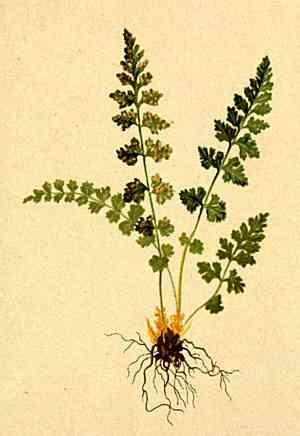
Distinguished by its curving leaves, asian sword fern flourishes with consistent trimming to eliminate aged or discolored fronds, fostering robust development. Perform pruning in the spring or summer, severing at the frond's origin while safeguarding emerging shoots. This upkeep guarantees a neat look and can deter insect problems. Trimming during periods of active growth enhances the vitality of asian sword fern, adding to the plant's endurance and visual appeal.
What Are the Benefits of Pruning Asian Sword Fern?
What Are the Benefits of Pruning Asian Sword Fern?
Trimming asian sword fern encourages robust development and helps maintain its desired form. Through precise cuts, it redirects energy to produce lush foliage, fostering a dense and appealing look.
What Is the Best Time for Pruning Asian Sword Fern?
What Is the Best Time for Pruning Asian Sword Fern?
The ideal periods for trimming or cutting asian sword fern are spring and summer. These times are chosen because asian sword fern's growth tends to be more vigorous then, allowing the plant to recover quickly from pruning stress. In spring, as temperatures begin to rise, the plant prepares for a growth spurt, making it an ideal time to trim and shape the fern. By removing older or unhealthy fronds, the plant's energy is redirected towards producing new, healthy growth. Additionally, pruning in spring helps minimize the risk of fungal infections, as the cut areas heal faster in drier conditions. During summer, asian sword fern continues its active growth phase, and thus can be pruned to maintain its desired shape and size. Pruning at this time ensures that any cuts made will have ample time to heal before the cooler, slower-growing fall and winter months. These practices promote the overall health and aesthetic appeal of asian sword fern, ensuring a lush and dense foliage display.
What Tools Do I Need to Prune Asian Sword Fern?
Sharp Bypass Pruners
Perfect for making clean, healthy cuts on asian sword fern's fronds without crushing plant tissues, which is crucial for preventing damage and disease.
Leaf Scissors
Useful for precise trimming of asian sword fern's delicate fronds, allowing for shaping and removal of dead or discolored leaves.
How to Prune Asian Sword Fern
Sanitization
Sterilize all pruning tools before starting to prevent the spread of disease within asian sword fern.
Identification
Examine asian sword fern for diseased or withered leaves and stems, being careful not to miss any affected areas.
Removal
Gently trim off diseased and withered leaves from asian sword fern at their base, using clean, sharp scissors or pruning shears.
Cutting
Carefully cut away any diseased stems from asian sword fern, ensuring cuts are made at a point clear of the affected tissue to prevent further infection.
Cleanup
Dispose of all removed parts away from healthy plants, and clean the tools again after pruning asian sword fern to prevent disease transmission.
Common Pruning Mistakes with Asian Sword Fern
Over-pruning
Removing too many fronds at once can stress asian sword fern, hindering its ability to photosynthesize and grow. Gardeners should prune sparingly to maintain the plant's vitality.
Pruning healthy fronds
Cutting away healthy fronds is a common error that can stunt the growth of asian sword fern. Gardeners should focus on removing only brown, diseased, or damaged fronds.
Using dull tools
Utilizing dull pruning shears or scissors can crush and tear fronds, leading to damage and potential disease. It is crucial to use sharp tools for clean cuts.
Pruning too close
Cutting fronds too close to the base can damage the central rhizome of asian sword fern, risking the health of the entire plant. Fronds should be pruned at the appropriate length from the base.
Ignoring plant structure
Not taking asian sword fern's natural growth pattern into account can result in disproportionate pruning. Gardeners should understand its growth habit for effective pruning.
Common Pruning Tips for Asian Sword Fern
Selective pruning
Focus on removing only the fronds that are brown, yellow, or diseased to encourage healthy growth and appearance without overstressing asian sword fern.
Sterilize tools
Prevent the spread of disease by cleaning and sterilizing cutting tools before and after use on asian sword fern to keep the plant healthy.
Cut at an angle
Make cuts at a 45-degree angle to prevent water accumulation, which can lead to rot and disease in the remaining frond stubs of asian sword fern.
Maintain plant shape
While pruning, aim to retain the natural shape of asian sword fern for an aesthetically pleasing look and to avoid unnecessary stress on the plant.
Prune damaged fronds first
Prioritize the removal of any damaged or dead material to improve the overall health and energy distribution in asian sword fern. This will promote vigorous growth and discourage pests.



