How to Transplant Twinberry?
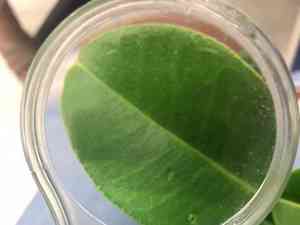
Transplanting twinberry is most effective during transitional seasons such as early spring or late autumn, enabling the plant to develop its root system without the strain of harsh weather. Confirm its placement in an area featuring adequately drained earth and moderate sun exposure for peak development.
Necessary Preparations Before Moving Twinberry
Optimal Period for Relocating Twinberry?
Twinberry, a perennial, flourishes most when moved in early to mid-spring. This timing allows twinberry to develop roots in warming soil and benefit from moderate rainfall, ensuring vigorous growth and reduced shock from the move. These ideal seasons provide a prime environment for root development and adaptation, vital for the perennial's longevity and health.
Required Distance Between Twinberry Plants?
When relocating twinberry, aim for a separation of 10-12 feet (3-3.7 meters) between each plant to provide ample space for growth and air circulation. This spacing promotes healthy development and lowers the risk of disease.
Best Soil Mixture for Twinberry Relocation?
Prepare the soil for twinberry by ensuring it drains well and is rich in organic material. Incorporate a base fertilizer with a balanced blend, such as a 10-10-10 (N-P-K) formula, into the top 6-8 inches (15-20 cm) of soil to supply essential nutrients.
Where to Replant Your Twinberry?
Select a sunny spot for moving twinberry. This plant thrives with full sun exposure, needing at least 6-8 hours of direct sunlight daily to support strong growth and flowering.
Equipment Needed Before Transplanting Twinberry
Gardening Gloves
To safeguard your hands while handling soil and the plant.
Shovel or Spade
For digging the hole and lifting the plant with its root ball intact.
Hand Trowel
To make more precise adjustments and smaller excavations.
Watering Can or Hose
To hydrate the plant before and after its relocation.
Rooting Hormone (optional)
To encourage root development and establishment.
Mulch
To maintain soil moisture and shield the roots.
How to Extract Twinberry from the Ground?
How to Extract Twinberry from the Ground?
From Ground: First, moisten the twinberry plant's soil. Then, dig a wide trench around the plant using a shovel or spade, ensuring the plant's root ball remains undisturbed. Carefully work the spade beneath the root ball to lift the plant from its original spot.From Pot: Thoroughly water the twinberry plant. Gently squeeze the pot's sides to loosen the soil. Hold the plant at its base and carefully slide it out of the container. If it resists, use a hand trowel to help loosen the soil around the edges.From Seedling Tray: Water the seedlings a few hours prior to transplanting. Gently remove each twinberry seedling from the tray by pushing on the bottom of each cell. Be careful not to harm the roots when handling the seedlings.
Step-by-Step Instructions for Moving Twinberry
Site Preparation
Ready the new planting location by digging a hole twice as wide and the same depth as the twinberry's root ball.
Plant Removal
Carefully extract the twinberry from its initial spot using the methods previously described.
Root Inspection
Examine the root ball. Trim any damaged or excessively long roots. Optionally, dip the roots in rooting hormone.
Setting the Plant
Place the twinberry gently into the prepared hole, ensuring it sits at the same depth as it was in its previous location.
Backfilling Soil
Refill the hole with soil, gently pressing it down to remove air pockets without over-compacting it.
Watering
Thoroughly water the plant to help the soil settle around the roots.
Adding Mulch
Apply a layer of mulch around the base of the twinberry, keeping it a few inches away from the stem to prevent rot.
Post-Transplant Care for Twinberry
Watering
Keep the soil around the twinberry consistently damp, but not waterlogged, for the initial weeks after transplanting to aid in strong root establishment.
Monitoring
Observe the twinberry for indications of transplant shock, such as wilting or yellowing leaves, and provide additional care if necessary.
Fertilizing
Avoid immediate fertilization after transplanting; wait a few weeks for the plant to recover and establish. Then use a balanced fertilizer if needed.
Protecting
If moving during a hot or windy period, offer temporary shade or wind protection to lessen stress on the twinberry.
Pruning
Lightly trim any damaged or overgrown parts of the twinberry to help it direct energy towards root establishment.
Resolving Common Issues with Twinberry Relocation.
When is the best time to move twinberry?
The ideal time to move twinberry is early to mid-spring, or from late fall through winter.
How much space is needed between twinberry plants?
Space each twinberry plant approximately 10-12 feet (3-3.7 meters) apart for optimal growth.
What should the hole depth be for moving twinberry?
Ensure the hole is as deep as the root ball and twice its width.
How to handle twinberry roots during relocation?
Handle twinberry roots carefully to prevent damage, and ensure they are spread out in the new hole.
Should I water twinberry immediately after moving?
Yes, water twinberry thoroughly right after moving to help establish the roots.
How to improve soil conditions for twinberry during relocation?
Amend soil with compost or organic matter to boost nutrients and enhance drainage.
What precautions to take if twinberry appears stressed post-relocation?
Keep twinberry well-hydrated but not waterlogged, and provide partial shade if required.
How deep should mulch be applied around twinberry after moving?
Apply a 2-3 inch (5-7.6 cm) layer of mulch, keeping it away from the plant's base.
What are the ideal soil pH requirements for twinberry?
Twinberry thrives best in slightly acidic to neutral soil pH (6.0-7.0).
Should twinberry be pruned during relocation?
Lightly prune any dead or damaged branches during relocation to reduce stress on twinberry.



