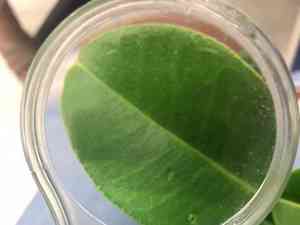
Twinberry (Myrcianthes fragrans)
Also known as: Simpson's stopper
The plant in question is the Black Chokeberry (Aronia melanocarpa). This deciduous shrub features shiny, green leaves and emits a pleasant aroma from its white blossoms. It flourishes in well-drained soils and can tolerate both full sun and partial shade. Its purple-black berries are not only edible but also attract various forms of wildlife, playing an important role in its natural ecosystem.
In This Article
Attributes of Twinberry
Lifespan
Perennial
Plant Type
Tree, Shrub
Plant Height
6 m to 9 m
Spread
4.5 m to 6 m
Leaf Color
Green
Flower Size
1 to 2 inches
Flower Color
White
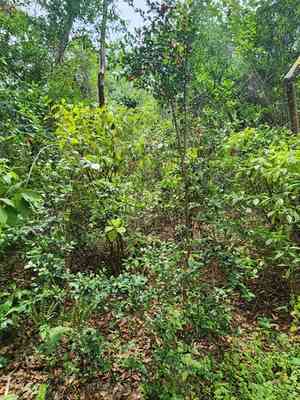
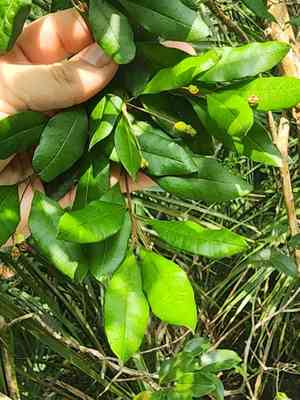
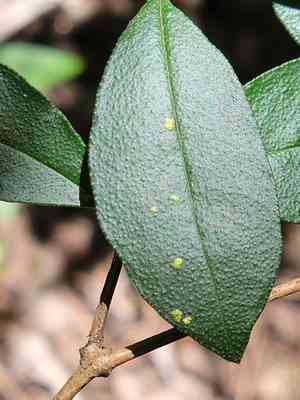
Images of Twinberry
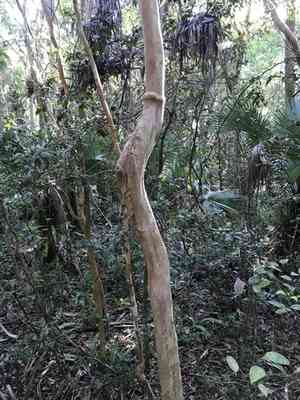
Quickly Identify Twinberry
1
Myrcianthes fragrans can be identified by its smooth, peeling bark, glossy evergreen leaves, and white, fragrant flowers. The plant produces round, red or orange berries which are also a distinctive feature. The leaves, when crushed, emit a pleasant aroma.
Scientific Classification of Twinberry
Phylum
Vascular plants
Class
Dicotyledons
Order
Myrtales
Family
Myrtle
Genus
Myrcianthes
Species
Twinberry
Planting and Growing of Twinberry
Care Difficulty
Moderate
Watering Schedule
Every 3 days
Sunlight Requirements
Full sun
Sunshine Duration
4-8 hours
Ideal Temperature
65-80℉
Soil Type
Potting Mix, Peat Mix
Soil pH
6.5-7.5
Fertilizer Type
Balanced
Pruning Season
Spring, Summer
Pruning Area
Branches, Leaves
Pruning Frequency
2 times a year
Repotting Season
Spring
Pot Type
Plastic, Ceramic
 How to Water Twinberry?
The plant named Myrcianthes fragrans prefers a consistent level of moisture. Each watering session should ensure the soil is thoroughly moistened, allowing for excess water to drain away. This means providing approximately 500 milliliters of water, ensuring the plant receives adequate hydration without waterlogging the roots.
What are the symptoms of an underwatered Twinberry?
›
What should I do if my Twinberry is not getting enough water?
›
What are the symptoms of an overwatered Twinberry?
›
How to save an overwatered Twinberry?
›
 What Are the Sunlight Requirements for Twinberry?
Myrcianthes fragrans thrives best under partial to full sunlight. Adequate light promotes robust photosynthesis, ensuring optimal leaf development and flower production.
Question: How do I ensure Myrcianthes fragrans gets ideal light?
›
Question: Why is light exposure important for this plant?
›
Question: What can I do if the site isn't bright enough?
›
 What Is the Ideal Temperature Range for Twinberry?
For Myrcianthes fragrans, the ideal temperature range lies between 65°F and 80°F. This range mimics the plant's natural habitat where it thrives in warm, temperate climates. Maintaining temperatures within this range promotes healthy growth and optimal flowering. Deviating from this range can lead to stress and reduced vitality.
 What Soil is Best for Twinberry?
Myrcianthes fragrans thrives in well-draining soil that prevents the roots from sitting in water, reducing the risk of rot and allowing for healthy root growth. This ensures a robust plant that can withstand variable watering conditions. This plant benefits from a nutrient-rich soil that provides essential minerals critical for its growth. A rich medium enhances the plant's ability to produce lush foliage and vibrant blooms. While good drainage is important, the soil should also retain some moisture to keep the plant hydrated. This balance helps to maintain steady growth and prevents stress due to inconsistent water availability.
 How to Fertilize Twinberry?
For Myrcianthes fragrans, it's crucial to apply a balanced amount of fertilizer to avoid over or under nourishing the plant. Use approximately 1 tablespoon of liquid fertilizer per gallon of water for regular feeding. For slow-release fertilizers, scatter about 1/4 cup around the root zone, ensuring to follow package instructions for size and age of your plant.
 How to Prune Twinberry?
Begin by sterilizing your tools to prevent the spread of disease. Remove any dead, damaged, or crossing branches first, as these can hinder healthy growth. When cutting, use clean, sharp pruners and make cuts at a slight angle just above a node to encourage regrowth. Focus on maintaining the plant's natural shape while opening up the canopy for better air circulation. For aesthetic purposes, you can shape Myrcianthes fragrans by trimming soft, new growth at the tips. This encourages a fuller, bushier appearance. Be cautious not to over-prune, as this may stress the plant. Aim to remove no more than one-third of the plant's foliage at any given time to ensure stability and health.
More About Pruning Techniques→
 How to Propagate Twinberry plant?
1
Select fully mature seeds from healthy fruits. Clean the seeds thoroughly to remove any residue and allow them to dry before planting. This helps in reducing the risk of fungal infections during germination.
2
Choose healthy stems and cut them at a length of 4-6 inches. Remove any leaves from the lower part of the cuttings to prevent rot and dip the cut ends into a rooting hormone to encourage root development.
3
Plant seeds or cuttings in a well-draining soil mix. Keep the propagation medium consistently moist and place it in a warm, humid environment until roots develop. Avoid direct sunlight which might stress young plants.
 How to Repot Twinberry plant?
1
Look for signs like roots growing out from the drainage holes, a tightly packed root ball, or slower growth. These indicate that the plant has outgrown its current pot and repotting is necessary.
2
Select a pot that is just 1-2 inches larger in diameter than the current one. Opt for a pot with good drainage capabilities to prevent water stagnation, which can lead to root rot. The appropriate size ensures your plant has room to grow without overwhelming it with too much soil.
3
Choose a potting mix that is light and well-aerated, composed of materials like peat, bark, and perlite. This type of soil ensures proper drainage and aeration, which supports healthy root development and prevents overwatering.
Learn More About Twinberry Diseases
Anthracnose
Bacterial Leaf Spot
Black Spot
Chemical Injury
Crown Gall
Damping-off
Drought Stress
Fusarium Wilt
Gray Mold
Leaf Curl
Leaf Spot
Mosaic
Nutrient Deficiency
Nutrient Toxicity
Powdery Mildew
Root Rot
Root-knot Nematode
Rusts
Sooty Mold
Spider Mites
Temperature Stress
Thrips Damage
White Mold



