How to Propagate Twinberry?
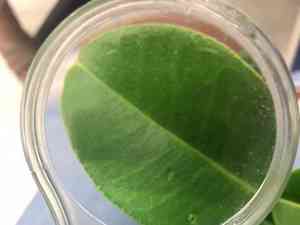
Lonicera involucrata, a flowering bush, is valued for its aromatic white blossoms and deep-colored fruit. To achieve successful propagation, it is vital to choose semi-hardwood cuttings during the period of vigorous development. Utilizing a soil blend that drains effectively and is rich in nutrients, while also sustaining elevated humidity, is imperative. Make certain that cuttings are kept in a warm environment with ample, diffused light to stimulate root formation. This species flourishes in moderately acidic soil and with regular irrigation.
What Is the Best Time To Propagate Twinberry?
Propagation Type
Cutting
Propagation Season
Autumn,Winter
What Tools Are Used in Twinberry Propagation?
Sharp Pruners
Utilized for making clean, precise cuts on twinberry without causing excessive harm. Crucial for ensuring the cutting has the best chance of rooting and preventing disease spread.
Rooting Hormone Powder
Aids in stimulating root development in twinberry cuttings, boosting the likelihood of successful propagation. Especially helpful for this species as it can be sensitive to root establishment.
Propagation Tray with Humidity Dome
Offers a regulated setting to maintain the necessary humidity levels for twinberry cuttings. The humidity dome prevents cuttings from drying out and encourages root formation.
Sterilized Potting Mix
Provides a pathogen-free medium for twinberry cuttings to establish roots. Ensures proper drainage and aeration, which are vital for the cuttings' well-being.
Heating Mat
Maintains an ideal soil temperature for root development in twinberry cuttings, which can enhance the speed and success rate of root growth.
Spray Bottle
Used for misting the cuttings to ensure they remain hydrated without saturating the soil. Helps maintain the required humidity around twinberry cuttings.
Labeling Tags
Important for tracking multiple cuttings and ensuring correct identification and care throughout the propagation process. Aids in monitoring progress and care needs.
How to Propagate Twinberry?
Propagation Type
Moderately Difficult
How to Care for Your Newly Propagated Twinberry?
How to Care for Your Newly Propagated Twinberry?
Once roots have formed and the cutting shows new growth, gradually introduce the young twinberry plant to typical indoor conditions. Water consistently but avoid over-saturating. Provide ample indirect light and shield from harsh temperatures. Fertilize monthly with a balanced, liquid fertilizer to promote robust growth.
Common Mistakes to Avoid When Propagating Twinberry
Overwatering
Excessive water can lead to root rot, a common problem that can severely impact the plant's health and propagation success.
Improper Light
Providing either too much direct sunlight or insufficient light can stress the plant, hindering effective propagation.
Poor Soil Drainage
Using soil that retains too much moisture can lead to soggy conditions, which can be detrimental to root development.
Incorrect Soil pH
Using soil with an unsuitable pH can affect nutrient uptake, impairing growth and overall plant health.
Neglecting Pest Control
Ignoring pests like aphids or spider mites can lead to infestations that damage the plant and reduce propagation success.
Tips For Propagating Twinberry
Well-Draining Soil
Utilize a soil mix that ensures efficient drainage to prevent root rot and create an optimal environment for root development.
Moderate Watering
Water the plant consistently but avoid waterlogging, allowing the soil to dry slightly between waterings to keep roots healthy.
Filtered Light
Provide bright, indirect light by placing twinberry in an area where it receives plenty of light without being exposed to harsh, direct sunlight.
Balanced Soil pH
Ensure the soil pH is slightly acidic to neutral (around 6.0-7.0) to optimize nutrient absorption and promote healthy growth.
Regular Pest Inspection
Periodically check twinberry for signs of pests and treat infestations promptly to maintain the plantâs health and support successful propagation.



