How to Transplant Bay forget-me-not?
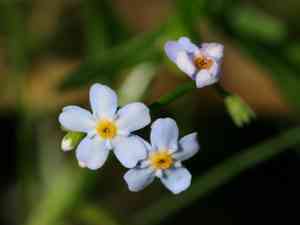
Relocate bay forget-me-not during the transition from late spring blooms to the onset of early summer heat, allowing sufficient development prior to the return of colder weather. Select damp, shaded locations and amend the earth to facilitate ideal establishment. A helpful tip: careful manipulation fosters effective root formation.
What Preparations are Needed Before Transplanting Bay Forget-me-not?
What is the Ideal Time for Transplanting Bay Forget-me-not?
The most favorable period for relocating bay forget-me-not is at the start of warm blooms – typically from May to the gentle beginning of June. Moving bay forget-me-not during this time encourages strong root development due to the warm, yet mild weather, ensuring the plant can flourish. This timing allows bay forget-me-not to adapt before the full intensity of summer heat, providing a smooth transition with optimal soil conditions. Such precise timing promises a magnificent display of bay forget-me-not's delicate flowers the following season.
How Much Space Should You Leave Between Bay Forget-me-not Plants?
When providing bay forget-me-not with a new home, aim for ample room! Position them approximately 6-12 inches (15-30 cm) apart. This allows each plant to thrive without overcrowding its neighbors.
What is the Best Soil Mix for Bay Forget-me-not Transplanting?
Let's prepare a comfortable bed for bay forget-me-not! Seek out well-draining soil, enriched with organic material or compost. Prior to planting, mix in a slow-release fertilizer to give bay forget-me-not a nutritional boost.
Where Should You Relocate Your Bay Forget-me-not?
Like a perfect picnic spot, bay forget-me-not enjoys filtered sunlight. Select a location that bathes them in partial shade, shielding them from the harshest midday sun for optimal well-being.
What Equipments Should You Prepare Before Transplantation Bay Forget-me-not?
Gardening Gloves
To safeguard your hands while handling soil and plants.
Shovel or Trowel
For excavating the plant and creating a new hole for replanting.
Watering Can or Hose
To hydrate the plant before and after its relocation.
Gardening Fork
To loosen the soil surrounding the plant's roots during extraction.
Pruning Shears
To trim any dead or damaged roots or foliage prior to transplanting.
Wheelbarrow or Plant Pot
For moving the plant if it's large or needs to be transported a significant distance.
Soil Amendment
Such as compost or aged manure to blend with the existing soil in the new spot.
How Do You Remove Bay Forget-me-not from the Soil?
How Do You Remove Bay Forget-me-not from the Soil?
From Ground: First, irrigate the bay forget-me-not to moisten the soil, making it easier to manage and less likely to harm the roots. Gently dig around the plant with a gardening fork to loosen the soil. Use the shovel to dig a wider trench, being careful not to cut through the root ball, and then carefully lift out the plant.From Pot: Water the bay forget-me-not thoroughly to ensure the root ball will slide out effortlessly. Grasp the base of the plant and gently tilt the pot, easing the plant out. If necessary, tap the outside of the pot to dislodge the roots.From Seedling Tray: Water the individual cell of bay forget-me-not to keep the root ball intact. Gently press from the bottom of the cell to release the plant, ensuring that the roots and soil remain as undisturbed as possible.
Step-by-Step Guide for Transplanting Bay Forget-me-not
Preparation
Before extracting the bay forget-me-not, prepare its new planting site. The hole should be as deep as the root ball and twice as wide to allow for root expansion.
Root Inspection
Examine the root ball of the bay forget-me-not after removal. Trim any broken or excessively long roots using pruning shears.
Plant Positioning
Place the bay forget-me-not in the center of the new hole. Spread the roots outwards and ensure the plant is positioned at the same depth it was growing at previously.
Soil Backfill
Mix any soil amendments with the native soil and backfill around the bay forget-me-not. Gently firm the soil to eliminate air pockets but avoid compacting it too tightly.
Immediate Watering
Water the bay forget-me-not immediately after transplanting to help settle the soil around the roots and provide essential hydration for recovering from transplant shock.
How Do You Care For Bay Forget-me-not After Transplanting?
Mulching
Apply a layer of organic mulch around the base of the bay forget-me-not to help retain soil moisture and regulate soil temperature.
Monitoring
Regularly check the bay forget-me-not for signs of transplant shock, such as wilting or discolored leaves, and ensure that it isn't suffering from insufficient or excessive watering.
Pruning
Trim off any dead or damaged foliage to help the bay forget-me-not direct its energy towards establishing new roots.
Protection
If transplanting occurs during a particularly hot or cold period, provide shade or frost protection to help the bay forget-me-not acclimate to its new location.
Troubleshooting Common Issues with Bay Forget-me-not Transplantation.
What's the best timing for transplanting bay forget-me-not?
Relocate bay forget-me-not in the vibrant bloom of late spring to early summer for optimal outcomes.
How deep should bay forget-me-not be planted?
Plant bay forget-me-not so the root ball is level with the soil surface, ensuring it's placed securely.
What spacing is ideal for bay forget-me-not when transplanting?
Provide ample room between plants, ideally 6-12 inches (15-30 cm), to allow for complete growth.
Should I water bay forget-me-not immediately after transplanting?
Yes, a thorough watering helps settle the soil and hydrates the roots of bay forget-me-not.
What kind of light conditions does bay forget-me-not need after transplanting?
After transplanting, bay forget-me-not thrives in a spot with full to partial sunlight.
How do I prepare the soil for transplanting bay forget-me-not?
Ensure the soil is well-draining and rich in organic matter before transplanting bay forget-me-not.
What should be done if bay forget-me-not's leaves wilt after transplanting?
Wilting may indicate shock; keep the soil moist and protect bay forget-me-not from extreme sun or wind.
How do I handle the roots of bay forget-me-not when transplanting?
Carefully untangle the roots if pot-bound, and avoid bending them when planting bay forget-me-not.
Can I apply fertilizer after transplanting bay forget-me-not?
Wait a few weeks post-transplant before applying a balanced, slow-release fertilizer to bay forget-me-not.
How long does it take for bay forget-me-not to establish after transplanting?
Bay forget-me-not typically acclimatizes within a few weeks, provided proper care and suitable conditions.



