How to Prune Bay forget-me-not?
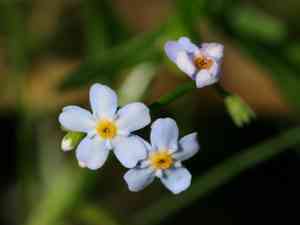
A fragile perennial that prospers in aquatic environments, bay forget-me-not thrives with infrequent trimming, fostering robust development and preserving its inherent shape. Snip off any faded blossoms and discard deceased or compromised leaves to avert illness. Optimal pruning occurs in late spring or early summer following its blooming period. Gentle thinning improves air movement, averts excessive density, and stimulates abundant new flowers. Diligent care sustains its lush, bloom-filled look, drawing beneficial insects to the outdoor space.
What Are the Benefits of Pruning Bay Forget-me-not?
What Are the Benefits of Pruning Bay Forget-me-not?
Trimming bay forget-me-not promotes robust development and helps keep a neat appearance. By eliminating old or overgrown sections, gardeners ensure the plant stays healthy and visually appealing.
What Is the Best Time for Pruning Bay Forget-me-not?
What Is the Best Time for Pruning Bay Forget-me-not?
Pruning bay forget-me-not from late Spring to early Summer aligns with the period after flowering, allowing for the removal of spent blooms and encouraging fresh growth without disrupting the plant's natural flowering cycle. It's vital to avoid pruning in late Fall or Winter as this could expose new cuts to freezing temperatures, potentially causing damage. Pruning during the recommended seasons ensures the health of bay forget-me-not, as it has time to recover before winter dormancy and to produce new growth that can mature in the subsequent growing season. Furthermore, this timing reduces disease risk, as cuts made in warm, dry conditions are less susceptible to pathogen attacks. Pruning after blooming optimizes the growth cycle of bay forget-me-not and maintains its aesthetic form while giving gardeners an opportunity to shape the plant for density and size control.
What Tools Do I Need to Prune Bay Forget-me-not?
Bypass Hand Pruners
Bay forget-me-not is a small and delicate perennial, meaning clean cuts are crucial to prevent plant damage. Bypass hand pruners provide a clean cut, operating much like scissors, which is ideal for the thin stems of bay forget-me-not.
Snips or Precision Pruners
Given the fine nature of bay forget-me-not's foliage and flowers, small snips or precision pruners are excellent for deadheading spent blooms and light shaping. These tools allow for more delicate work and prevent accidental damage to surrounding stems and leaves.
Gardening Gloves
While not a cutting tool, gloves are essential to protect hands from any sharp edges or rough material when caring for bay forget-me-not.
Garden Shears
For shaping larger areas or for cutting back bay forget-me-not at the end of the growing season, garden shears enable quick and efficient work. They are suitable for the non-woody stems of bay forget-me-not.
How to Prune Bay Forget-me-not
Identify
Carefully examine bay forget-me-not for diseased leaves, withered leaves, and diseased stems that require trimming.
Sanitize
Disinfect your pruning tools with rubbing alcohol or a bleach solution to prevent the spread of disease during the pruning process.
Prune Diseased Leaves
Using sanitized secateurs or scissors, gently remove diseased leaves from bay forget-me-not by cutting at the base of the leaf stem, taking care to avoid harming healthy tissue.
Prune Withered Leaves
Trim withered leaves from bay forget-me-not in a similar fashion to diseased leaves, ensuring clean cuts that minimize harm to the plant's healthy parts.
Prune Diseased Stems
Cut away diseased stems from bay forget-me-not as close to the plant's base as possible without injuring adjacent healthy stems, to promote good air circulation and reduce the risk of further disease spread.
Common Pruning Mistakes with Bay Forget-me-not
Overpruning
Removing too much foliage from bay forget-me-not at once can stress the plant and hinder its growth. Aim to prune no more than one-third of the plant's size to maintain its health.
Improper Tools
Using dull or dirty pruning tools can lead to jagged cuts and introduce diseases to bay forget-me-not. Ensure tools are sharp and clean before beginning the pruning process.
Ignoring Dead Material
Failing to remove dead or diseased foliage can impede bay forget-me-not's growth and health. Regularly check for and remove any unhealthy material.
Pruning Healthy Growth
Mistakenly cutting away healthy flowering stems reduces the number of blossoms on bay forget-me-not. Be careful to distinguish between dead or unnecessary growth and healthy blooming stems.
Neglecting Plant Shape
Not considering the natural growth habit of bay forget-me-not can result in an unnatural or aesthetically displeasing shape. Prune with the intention of maintaining or enhancing the plant's natural form.
Common Pruning Tips for Bay Forget-me-not
Selective Pruning
Focus on thinning out crowded areas to improve air circulation and light penetration for bay forget-me-not. This encourages a robust plant with ample flowering.
Timing After Flowering
Although not strictly bound by seasonal instructions, timing pruning soon after bay forget-me-not has finished blooming can be beneficial for its health and vigor.
Using Correct Technique
Make angled cuts just above a leaf node where new growth can emerge. Precise cuts help bay forget-me-not heal faster and stimulate new growth.
Maintaining Tools
Regularly maintain pruning tools by keeping them sharp, clean, and rust-free. This will ensure clean cuts and diminish the chance of disease for bay forget-me-not.
Monitoring Plant Response
After pruning, observe how bay forget-me-not responds to the changes. This can provide valuable feedback for adjusting future pruning practices.



