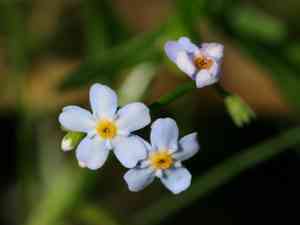
Bay forget-me-not (Myosotis laxa)
Also known as: Water forget me not, Smaller forget-me-not
The bay forget-me-not (*Myosotis laxa*) is a semiaquatic plant with a circumboreal distribution, found in various regions across the Northern Hemisphere. This plant thrives in shallow water and is characterized by its small, delicate blue flowers with bright yellow centers.
In This Article
Attributes of Bay forget-me-not
Lifespan
Perennial, Annual, Biennial
Plant Type
Herb
Plant Height
5 cm to 30 cm
Spread
15-30 cm
Leaf Color
Green
Flower Size
2.5 mm to 4 mm
Flower Color
Blue
Images of Bay forget-me-not
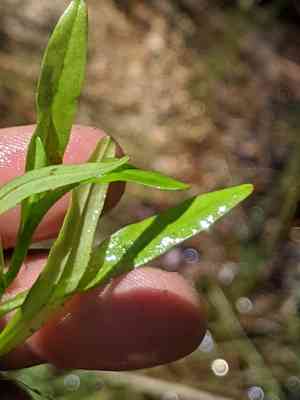
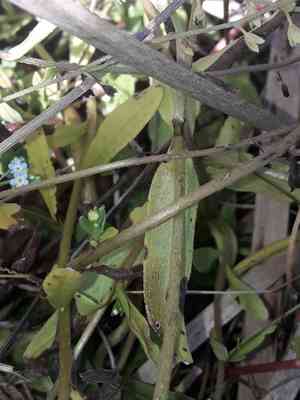
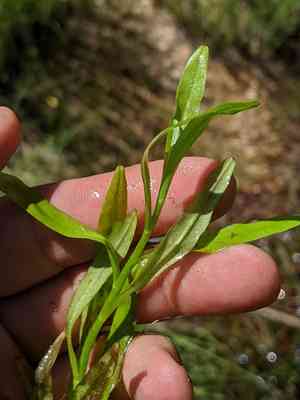
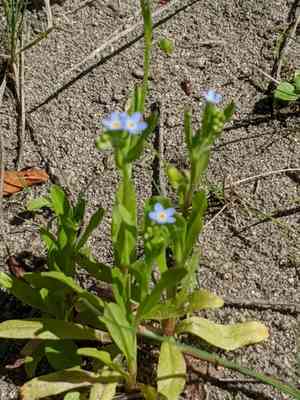
Quickly Identify Bay forget-me-not
1
Myosotis laxa can be identified by its small, blue, 5-petaled flowers, which are around 2-3 mm in diameter. The leaves are lance-shaped and covered in fine hairs. The plant typically grows in clusters and prefers wet, shaded environments.
Scientific Classification of Bay forget-me-not
Phylum
Vascular plants
Class
Dicotyledons
Order
Boraginales
Family
Borage
Genus
Forget-me-nots
Species
Bay forget-me-not
Planting and Growing of Bay forget-me-not
Care Difficulty
Easy
Watering Schedule
Every 8 days
Sunlight Requirements
Partial sun
Sunshine Duration
6-10 hours
Ideal Temperature
60-75℉
Soil Type
Potting Mix, Peat Mix
Soil pH
6.5-7.5
Fertilizer Type
Balanced
Pruning Season
Spring, Summer
Pruning Area
Branches, Leaves
Pruning Frequency
2 times a year
Repotting Season
Spring
Pot Type
Plastic, Terracotta
 How to Water Bay forget-me-not?
For Myosotis laxa, it is essential to maintain consistent moisture without waterlogging the soil. Aim for about 250 ml each watering, ensuring the soil remains consistently damp but not soaked. This plant thrives in conditions where soil moisture levels are stable, emulating its natural wetland habitat.
What are the symptoms of an underwatered Bay forget-me-not?
›
What should I do if my Bay forget-me-not is not getting enough water?
›
What are the symptoms of an overwatered Bay forget-me-not?
›
How to save an overwatered Bay forget-me-not?
›
 What Are the Sunlight Requirements for Bay forget-me-not?
Ideal conditions include partial sunlight with 3-5 hours of exposure. This range allows Myosotis laxa to photosynthesize effectively, promoting vibrant growth and reducing the risk of stress-induced damage.
More About Sunlight Requirements Techniques→
How much light is ideal?
›
Solutions for ideal light exposure
›
What are the benefits of ideal lighting?
›
 What Is the Ideal Temperature Range for Bay forget-me-not?
The ideal temperature range for the growth of Myosotis laxa lies between 60°F and 75°F. Within this range, the plant can thrive, ensuring optimal photosynthesis, respiration, and metabolic activity. Maintaining temperatures in this range promotes healthy growth and flowering.
 What Soil is Best for Bay forget-me-not?
Myosotis laxa thrives in well-draining soil, preventing waterlogging and root rot. This helps the plant maintain healthy root systems necessary for nutrient uptake and stability. Although it prefers well-draining soil, Myosotis laxa benefits from soils that can retain some moisture to support its need for consistent hydration, especially during dry spells. Organic materials enrich the soil with nutrients essential for Myosotis laxa's growth, enhancing its flowering potential and overall vitality.
 How to Fertilize Bay forget-me-not?
For Myosotis laxa, the fertilizer amount should be moderate. When using liquid fertilizer, dilute it to half-strength as this prevents any potential nutrient overload which could harm the plant.
 How to Prune Bay forget-me-not?
Begin by sterilizing your pruning shears to prevent disease spread. Remove any dead or damaged leaves and stems by cutting them back to the base. Trim spent flower stalks just above the next set of healthy leaves to encourage new blooms. Be gentle, as Myosotis laxa has delicate stems. Ensure you are pruning in a well-lit area to see the plant structure clearly.
More About Pruning Techniques→
 How to Propagate Bay forget-me-not plant?
1
Begin by gently scarifying Myosotis laxa seeds to enhance germination rates. This can involve lightly rubbing the seeds with sandpaper or soaking them in water overnight. These methods help break down the seed's outer layer, allowing moisture to penetrate more easily.
2
Select healthy stems from the parent plant to take as cuttings. Ensure each cutting is 4-6 inches long and has a few sets of leaves. Dip the base of cuttings in a rooting hormone to stimulate root development before planting.
3
For division propagation, carefully dig up the Myosotis laxa plant and gently separate the root clumps into smaller sections. Make sure each section has adequate roots and shoots to promote healthy regrowth once planted.
 How to Repot Bay forget-me-not plant?
1
Myosotis laxa should be repotted when you notice roots coming out of the drainage holes, or if the plant appears to be outgrowing its current pot. It's also an indicator when the soil dries out quicker than usual. Late spring, when the plant is just emerging from dormancy, is an ideal time to repot.
2
Choose a pot that is only a couple of inches larger in diameter than the current one. Ensure it has good drainage to prevent waterlogging, which can lead to root rot. A breathable material like terracotta is excellent, allowing excess moisture to evaporate, promoting a healthier root system.
3
Opt for a loamy, well-draining soil mix. This kind of soil retains sufficient moisture while allowing excess water to escape, which is essential for preventing root diseases. Adding perlite or coarse sand can improve the drainage capabilities, keeping the roots healthy and air-pruned.
Learn More About Bay forget-me-not Diseases
Anthracnose
Bacterial Leaf Spot
Bacterial Soft Rot
Bacterial Wilt
Crown Gall
Cyst Nematode
Damping-off
Downy Mildew
Drought Stress
Fusarium Wilt
Gray Mold
Leaf Curl
Leaf Spot
Mosaic
Nutrient Deficiency
Nutrient Toxicity
Powdery Mildew
Root Rot
Root-knot Nematode
Rusts
Sooty Mold
Spider Mites
Temperature Stress
Thrips Damage
White Mold



