How to Transplant Himalayan fairy grass?
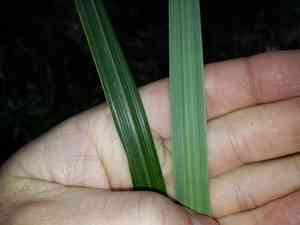
Himalayan fairy grass flourishes most effectively when relocated during the mild period spanning from the end of winter to the beginning of summer. Select a brightly lit spot with soil that drains efficiently to guarantee peak development. Think about shielding nascent plants from powerful gusts for proper rooting.
What Preparations are Needed Before Transplanting Himalayan Fairy Grass?
What is the Ideal Time for Transplanting Himalayan Fairy Grass?
The best time to move himalayan fairy grass is from early to late spring, once the ground has warmed and frost danger has passed. Relocating during this period promotes root development and strong growth throughout the season, leading to a healthy, robust plant.
How Much Space Should You Leave Between Himalayan Fairy Grass Plants?
For optimal development, position each himalayan fairy grass 36-48 inches (91-122 cm) apart. This provides ample room for them to expand and flourish without becoming overcrowded.
What is the Best Soil Mix for Himalayan Fairy Grass Transplanting?
Prepare well-draining soil enriched with organic material. A foundational fertilizer rich in nitrogen, phosphorus, and potassium will give himalayan fairy grass an excellent start. Loamy soil is perfect for this purpose.
Where Should You Relocate Your Himalayan Fairy Grass?
Select a sunny location for himalayan fairy grass as it thrives best in full sun. Ensure the site receives 6-8 hours of direct sunlight daily for optimal growth.
What Equipments Should You Prepare Before Transplantation Himalayan Fairy Grass?
Gardening Gloves
To safeguard your hands while handling soil and plants.
Shovel or Spade
For digging and lifting the plant from its original spot.
Trowel
Useful for excavating small holes or loosening soil around roots.
Garden Fork
To assist in lifting and aerating the soil without harming the roots.
Watering Can or Hose
For hydrating the plant before and after its relocation.
Compost or Organic Matter
To enrich the soil and supply nutrients to himalayan fairy grass.
Mulch
To help retain moisture and safeguard the plant post-transplant.
How Do You Remove Himalayan Fairy Grass from the Soil?
How Do You Remove Himalayan Fairy Grass from the Soil?
From Ground: First, hydrate the himalayan fairy grass plant to moisten the soil. Then, excavate a wide trench around the plant using a shovel or spade, ensuring the plant's root ball stays intact. Carefully work the spade beneath the root ball to lift the plant from its initial position.From Pot: Water the himalayan fairy grass plant thoroughly before extraction. Gently tap the pot's sides and bottom to loosen the soil and roots. Hold the plant at its base and carefully slide it out of the pot, ensuring the root ball remains whole.From Seedling Tray: Water the seedlings completely. Use a trowel or your fingers to carefully lift each seedling from the tray, taking care to keep as much soil around the roots as possible. Handle by the leaves, not the stem, to prevent damage.
Step-by-Step Guide for Transplanting Himalayan Fairy Grass
Preparation
Ensure the new planting site is ready. The hole should be twice as wide and just as deep as the root ball of himalayan fairy grass.
Removal
Extract himalayan fairy grass from its initial location using the appropriate method described above.
Transplanting
Position the himalayan fairy grass in the center of the hole at the same depth it was originally growing. Backfill the hole with soil, gently firming it around the plant.
Watering
Water himalayan fairy grass thoroughly after transplanting to settle the soil and eliminate air pockets.
Mulching
Apply a layer of mulch around himalayan fairy grass, leaving some space around the stem to prevent rot. This helps retain moisture and regulate soil temperature.
How Do You Care For Himalayan Fairy Grass After Transplanting?
Watering
Keep the soil around himalayan fairy grass consistently moist, but not waterlogged, for the first few weeks after transplanting to help establish strong roots.
Monitoring
Regularly inspect the plant for any signs of stress such as wilting or discoloration. Adjust watering as needed and ensure the soil does not dry out completely.
Protection
Shield himalayan fairy grass from extreme weather conditions like strong winds or intense heat with temporary shading or windbreaks until it establishes.
Weeding
Keep the area around himalayan fairy grass free from weeds to reduce competition for nutrients and water.
Troubleshooting Common Issues with Himalayan Fairy Grass Transplantation.
When is the best time to transplant himalayan fairy grass?
Move himalayan fairy grass from early spring to late spring for optimal growth.
How should I space himalayan fairy grass when transplanting?
Ensure each himalayan fairy grass plant is spaced 36-48 inches (90-120 cm) apart for proper growth.
How do I prepare the soil for transplanting himalayan fairy grass?
Loosen the soil and mix in compost to enhance nutrition and drainage for himalayan fairy grass.
What is the best way to remove himalayan fairy grass from its original location?
Gently dig around himalayan fairy grass with a spade, preserving as much root mass as possible.
How deep should I plant himalayan fairy grass in its new location?
Plant himalayan fairy grass at the same depth it was growing in its original location.
What should I do if himalayan fairy grass appears droopy after transplanting?
Water thoroughly and provide some shade until himalayan fairy grass establishes in its new environment.
Can I transplant himalayan fairy grass during hot weather?
Avoid transplanting himalayan fairy grass in hot weather to prevent stress and dehydration. Early spring to late spring is ideal.
How do I water himalayan fairy grass after transplanting?
Water himalayan fairy grass deeply and consistently after transplanting but avoid waterlogging the soil.
What type of mulch should I use around himalayan fairy grass?
Use organic mulch, such as bark or straw, to retain soil moisture and suppress weeds around himalayan fairy grass.
How soon can himalayan fairy grass be fertilized after transplanting?
Wait at least one month before fertilizing himalayan fairy grass to allow roots to establish.



