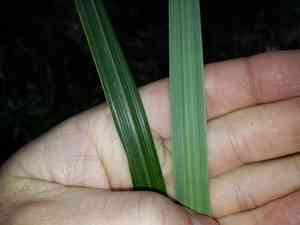
Himalayan fairy grass (Miscanthus nepalensis)
Also known as: Nepalese Eulalia, Himalayan Fairy Grass
The plant you're referring to is Himalayan Fairy Grass, a perennial grass renowned for its tall, graceful form, featuring clumps of arching leaves and delicate, feathery flower heads that shimmer in the light. Native to the mountainous regions of Nepal, this resilient plant flourishes in cooler climates and prefers well-drained soils, adding both elegance and durability to the landscape.
In This Article
Attributes of Himalayan fairy grass
Lifespan
Perennial
Plant Type
Grass
Plant Height
1 m
Spread
1 m
Leaf Color
Green Bronze
Flower Size
5-10 cm (2-4 inches)
Flower Color
Yellow Brown
Images of Himalayan fairy grass
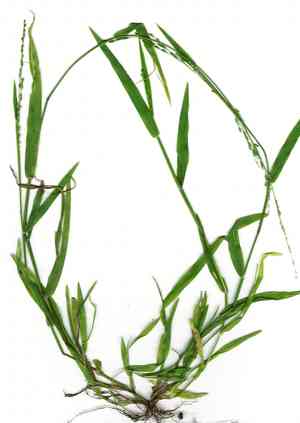
Quickly Identify Himalayan fairy grass
1
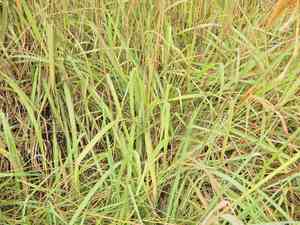
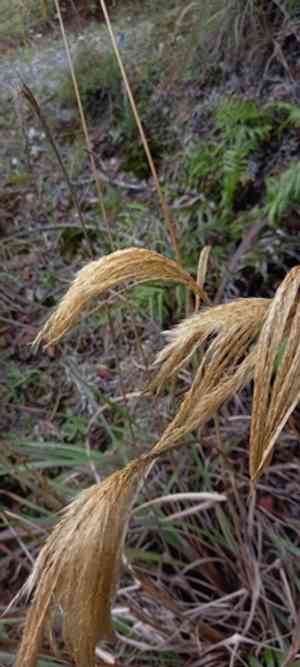
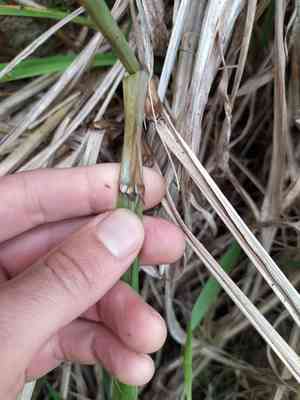
Identify Miscanthus nepalensis by its arching, narrow leaves and distinctive golden-yellow flower plumes that resemble feathers. The plant also has a characteristic clumping growth habit.
Scientific Classification of Himalayan fairy grass
Phylum
Vascular plants
Class
Monocotyledons
Order
Poales
Family
Grass
Genus
Silvergrasses
Species
Himalayan fairy grass
Planting and Growing of Himalayan fairy grass
Care Difficulty
Easy
Watering Schedule
Every 3 days
Sunlight Requirements
Full sun
Sunshine Duration
4-8 hours
Ideal Temperature
60-75℉
Soil Type
Potting Mix, Peat Mix
Soil pH
6.5-7.5
Fertilizer Type
Balanced
Pruning Season
Spring, Summer
Pruning Area
Branches, Leaves
Pruning Frequency
Once a year
Repotting Season
Spring
Pot Type
Plastic, Ceramic
 How to Water Himalayan fairy grass?
When watering Miscanthus nepalensis, aim to moisten the soil to a depth of 15-20 cm. This ensures the roots receive ample moisture without waterlogging the plant. A thorough watering session should deliver approximately 500 mL, but frequency and amounts may vary depending on the season and humidity levels.
What are the symptoms of an underwatered Himalayan fairy grass?
›
What should I do if my Himalayan fairy grass is not getting enough water?
›
What are the symptoms of an overwatered Himalayan fairy grass?
›
How to save an overwatered Himalayan fairy grass?
›
 What Are the Sunlight Requirements for Himalayan fairy grass?
Miscanthus nepalensis prefers full to partial sunlight throughout the day. Optimal light ensures robust growth, rich foliage color, and the best flowering potential during its blooming season.
Optimal Sunlight Duration
›
Position for Best Light
›
Light Adjustment Techniques
›
 What Is the Ideal Temperature Range for Himalayan fairy grass?
Miscanthus nepalensis thrives best in temperatures ranging from 60 to 75°F. This range provides a conducive environment for optimal growth and development. Temperatures within this range encourage robust plant health and ensure that the plant can perform essential physiological functions without undue stress.
 What Soil is Best for Himalayan fairy grass?
Miscanthus nepalensis thrives in soils with excellent drainage. Well-drained soil prevents waterlogging, which can cause root rot in the plant. By ensuring good drainage, you help the roots to access essential oxygen for optimal growth. This plant prefers nutrient-rich soils to support its vigorous growth. Fertile soil provides essential macro and micronutrients, enhancing leaf development and overall plant health. Regularly enriching the soil with compost or organic fertilizers can keep it nutrient-dense. Miscanthus nepalensis requires a balance between moisture and dryness in its soil. A moderately moist environment ensures that the plant doesn't dry out but also avoids the pitfalls of overwatering, facilitating balanced growth.
 How to Fertilize Himalayan fairy grass?
For Miscanthus nepalensis, use a balanced liquid fertilizer at a concentration of half the recommended dose to avoid over-fertilizing. When applying solid fertilizer, use about 50 grams per plant, spreading evenly around the base, ensuring it doesn't touch the stem directly.
 How to Prune Himalayan fairy grass?
Start by removing any dead or damaged stalks close to the ground to encourage fresh growth. Be careful to cut around 1-3 inches above the soil level. Trim back the foliage that has outgrown its space, and remove any unsightly clumps to maintain a tidy appearance. It's essential to encourage air circulation by lightly thinning dense areas.
More About Pruning Techniques→
 How to Propagate Himalayan fairy grass plant?
1
Choose a mature Miscanthus nepalensis clump with healthy growth. Water the plant thoroughly a day before dividing to ensure the roots are hydrated and easy to separate.
2
Carefully dig around the plant with a spade, lift the entire clump out, and use a sharp knife to divide it into smaller sections. Ensure each new section has roots attached.
3
Plant each divided section into a prepared soil bed, ensuring the crown is at soil level. Water the newly planted sections well to help them establish in their new location.
 How to Repot Himalayan fairy grass plant?
1
Miscanthus nepalensis needs repotting when its roots visibly encircle the pot, or when the plant shows reduced growth or frequent wilting. Spring or autumn are ideal times for repotting due to moderate temperatures and active growth phases, which minimize stress.
2
Choose a pot that is slightly larger than the current one, ideally 2-3 inches wider in diameter. Ensure the pot has ample drainage holes to prevent waterlogging, which can lead to root rot, a common issue for grasses like Miscanthus nepalensis.
3
Opt for a well-draining loam mix, enriched with organic matter. This type of soil minimizes water retention, ensuring roots receive adequate moisture without sitting in water. The soil's nutrient content supports healthy growth for this ornamental grass.



