How to Propagate Himalayan fairy grass?
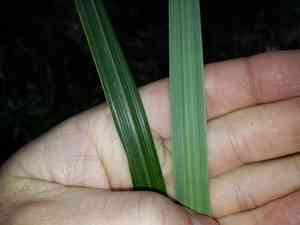
Distinguished by its graceful, curving leaves and unique golden flower clusters, himalayan fairy grass flourishes in permeable ground and withstands diverse environments, rendering it a desirable option for decorative landscapes. Reproduction mainly occurs through separation, ideally carried out once the plant has fully developed and settled. Verify that the separated portions possess ample roots and sprouts, then transplant them into prepared earth, preserving sufficient dampness to foster development.
Optimal Period for Propagating Himalayan Fairy Grass
Propagation Method
Division
Propagation Period
Spring,Autumn
Tools Utilized in Himalayan Fairy Grass Propagation
Garden Fork
The garden fork is crucial for gently lifting and loosening the earth surrounding himalayan fairy grass. Its robust tines help prevent root damage during separation, which is vital for maintaining plant health and encouraging successful establishment in new areas.
Sharp Spade
A sharp spade is employed to cleanly and efficiently separate himalayan fairy grass clumps. The keen edge minimizes root trauma and lessens plant stress, promoting faster recovery and improved growth after division.
Hand Pruners
Hand pruners are important for trimming any damaged or excess roots and foliage prior to replanting the divisions. Healthy root and shoot systems are essential for the successful propagation of himalayan fairy grass.
Root Wash Bin
A root wash bin enables thorough cleaning of himalayan fairy grass's root system, aiding in the identification of natural division points and the removal of soil that might harbor pests or diseases. Clean roots ensure healthier divisions.
Plant Labels
Plant labels assist in tracking the various divisions of himalayan fairy grass, especially when propagating in large quantities. Accurate labeling ensures proper identification and monitoring during the establishment phase.
Watering Can or Hose with Soft Sprayer
A watering can or hose with a soft sprayer is essential for gently irrigating the newly divided plants. Consistent moisture without saturation ensures that himalayan fairy grass can establish its roots quickly without stress.
How to Propagate Himalayan Fairy Grass?
Propagation Difficulty
Easy
How to Nurture Your Newly Propagated Himalayan Fairy Grass?
How to Nurture Your Newly Propagated Himalayan Fairy Grass?
Following himalayan fairy grass propagation, maintain consistent soil moisture but avoid saturation. Apply a balanced fertilizer during the active growth period to encourage vigorous development. Provide full sun to partial shade and shield from strong winds to prevent leaf damage. Regularly inspect for pests and diseases, and remove any dead or damaged foliage to promote healthy growth.
Common Errors to Avoid When Propagating Himalayan Fairy Grass
Overwatering
Supplying too much water can lead to root rot and fungal infections, negatively impacting himalayan fairy grass's growth and survival.
Poor soil drainage
Utilizing soil that lacks proper drainage can cause waterlogging, adversely affecting the root system.
Insufficient light
Failing to provide adequate light can result in weak and elongated growth, diminishing the plant's vitality.
Incorrect division methods
Improperly dividing the plant can harm the roots and decrease the likelihood of successful propagation.
Advice for Propagating Himalayan Fairy Grass
Ensure good drainage
Use well-draining soil to prevent waterlogging and root rot.
Moderate watering
Water himalayan fairy grass moderately, allowing the soil to dry out slightly between waterings.
Adequate light
Provide plenty of indirect sunlight to promote healthy and robust growth.
Careful division
Divide himalayan fairy grass carefully, ensuring each section has a healthy portion of roots and shoots to support new growth.



