How to Transplant Fragrant mimosa?
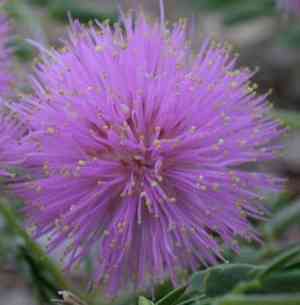
The optimal period for relocating fragrant mimosa is from early to mid-fall, allowing it to settle prior to the cold season. It flourishes in bright areas with soil that drains effectively. Endeavor to move it on temperate days to lessen the plant's strain.
What Preparations are Needed Before Transplanting Fragrant Mimosa?
What is the Ideal Time for Transplanting Fragrant Mimosa?
The optimal period for relocating fragrant mimosa is during early to mid-autumn. At this time, the ground retains warmth, fostering root development, while cooler air temperatures lessen plant stress. Moving the plant during these seasons allows fragrant mimosa to establish itself thoroughly before winter, ensuring robust spring growth.
How Much Space Should You Leave Between Fragrant Mimosa Plants?
For fragrant mimosa, ensure adequate spacing between each specimen. Ideally, a distance of 2-3 feet (60-90 cm) should be maintained to facilitate healthy growth without competition for resources.
What is the Best Soil Mix for Fragrant Mimosa Transplanting?
Prepare the soil by ensuring it drains effectively and is slightly alkaline. Incorporating compost or well-decomposed manure can provide a strong foundational fertilizer, making the soil fertile and ready for fragrant mimosa.
Where Should You Relocate Your Fragrant Mimosa?
Select a spot that receives ample sunlight, as fragrant mimosa thrives with abundant light. Confirm your chosen transplant site gets at least 6-8 hours of direct sun daily.
What Equipments Should You Prepare Before Transplantation Fragrant Mimosa?
Gardening Gloves
To safeguard your hands while handling soil and the plant.
Shovel or Spade
For excavating and extracting the plant from its initial position.
Garden Trowel
Useful for more precise digging tasks.
Watering Can or Hose
To hydrate the plant and the surrounding soil.
Compost or Mulch
To enrich the earth and aid in moisture retention.
Planting Stake
To offer support to the plant if necessary after relocation.
How Do You Remove Fragrant Mimosa from the Soil?
How Do You Remove Fragrant Mimosa from the Soil?
From Ground: First, moisten the fragrant mimosa plant to dampen the soil. Next, dig a wide trench around the plant using a shovel or spade, ensuring the plant's root ball remains intact. Carefully work the spade beneath the root ball to lift the plant from its original spot.From Pot: Lightly water the fragrant mimosa plant to loosen the soil. Gently tap the pot's sides and base to free the root ball. Hold the plant at its base and tilt the pot to slide the plant out. If it resists, use a garden trowel to carefully dislodge it.From Seedling Tray: Water the fragrant mimosa seedlings to soften the soil. Use a garden trowel or spoon to loosen the soil surrounding each seedling. Gently grasp the base of each seedling and lift it out, supporting the root ball.
Step-by-Step Guide for Transplanting Fragrant Mimosa
Site Selection
Choose a location with adequate sunlight and room for your fragrant mimosa plant to reach its full mature size.
Prepare the New Site
Dig a hole twice as wide and the same depth as the root ball of your fragrant mimosa plant. Loosen the soil at the bottom of the hole to encourage root development.
Plant Placement
Position the fragrant mimosa plant in the hole, ensuring it's centered and at the same soil level as in its previous spot. Fill in around the root ball with soil and press down gently to remove air pockets.
Water Thoroughly
Water the plant extensively after transplanting to help settle the soil and minimize transplant shock.
Add Mulch
Apply a layer of compost or mulch around the plant's base to help retain moisture and supply nutrients.
How Do You Care For Fragrant Mimosa After Transplanting?
Watering
Keep the soil around the fragrant mimosa consistently moist, but not waterlogged, for the initial weeks post-transplant to aid in establishing strong roots.
Monitoring
Regularly inspect the plant for indications of stress such as wilting or yellowing leaves. Adjust irrigation as needed.
Support
If your fragrant mimosa is leaning or unstable, use a planting stake to provide support until it is fully established.
Troubleshooting Common Issues with Fragrant Mimosa Transplantation.
When is the best time to transplant fragrant mimosa?
The optimal period to transplant fragrant mimosa is early to mid-fall for best outcomes.
How much space should be between transplanted fragrant mimosa plants?
Transplant fragrant mimosa with a 2-3 feet (60-90 cm) spacing between them to promote healthy growth.
What type of soil is best for transplanting fragrant mimosa?
Fragrant mimosa thrives in well-draining, slightly acidic to neutral soil for optimal development.
How deep should I plant fragrant mimosa during transplantation?
Plant fragrant mimosa at the same depth it was in its original location to prevent stress.
How much water does fragrant mimosa need after transplanting?
Provide fragrant mimosa with consistent watering, keeping the soil continuously moist but not saturated.
Should I prune fragrant mimosa before transplanting?
It's beneficial to lightly prune fragrant mimosa to reduce stress and stimulate new growth after transplanting.
How can I prepare the new site for fragrant mimosa?
Prepare the new site by loosening the soil, adding compost, and ensuring good drainage for fragrant mimosa.
What should I do if fragrant mimosa shows signs of transplant shock?
Ensure adequate watering, use mulch to retain moisture, and avoid immediate fertilization after transplanting fragrant mimosa.
Can fragrant mimosa be transplanted in full sun?
Yes, fragrant mimosa prefers full sun to partial shade for optimal growth and blooming.
What care should be taken in the first few weeks after transplanting fragrant mimosa?
Monitor moisture levels, refrain from immediate fertilization, and shield fragrant mimosa from harsh winds and intense sunlight.



