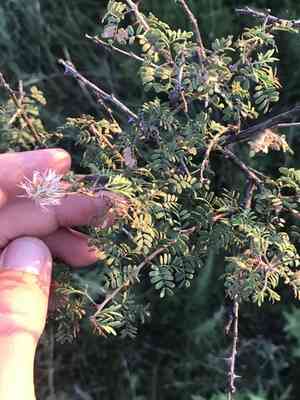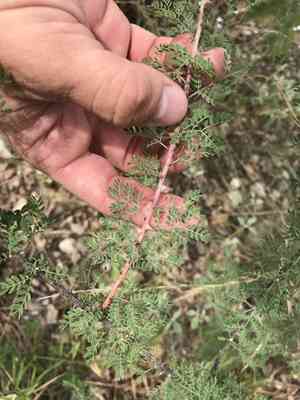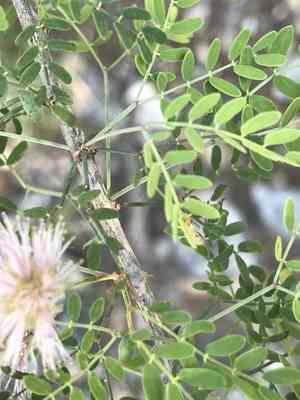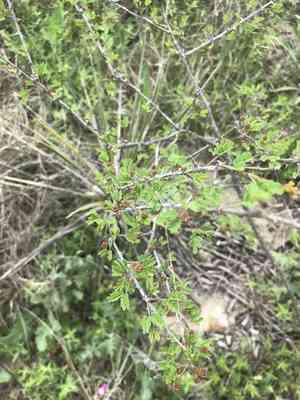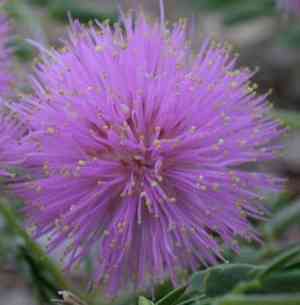
Fragrant mimosa(Mimosa borealis)

Fragrant mimosa (Mimosa borealis)

Also known as: Fragrant Mimosa, Rock Mimosa

The fragrant mimosa shrub, or Acacia farnesiana, is a small deciduous plant typically growing between 2 and 5 meters tall. It features bipinnate leaves, composed of numerous small leaflets, which help minimize water loss. The shrub is renowned for its bright yellow, highly aromatic spherical flowers, commonly blooming in spring and used in perfumery. Its branches are equipped with sharp thorns, providing defense against herbivores. Well-suited to arid environments, the shrub is drought-tolerant, thanks to its deep root system that accesses groundwater. It also produces hard, woody seed pods that protect seeds and ensure effective dispersal. Additionally, the shrub enhances soil fertility by fixing nitrogen, enabling it to thrive even in nutrient-poor soils.

Attributes of Fragrant mimosa

Lifespan
Perennial
Plant Type
Shrub
Plant Height
91 cm to 1.8 m
Spread
1 to 1.5 meters
Leaf Color
Green
Flower Size
1 to 1.5 centimeters
Flower Color
Pink

ForwardPlant - Identify plants with a snap

Identify and diagnose plants, get toxicity alerts, and explore safety guides for all types of fungi.

Try for Free

Images of Fragrant mimosa

Fragrant mimosa(Mimosa borealis)

Quickly Identify Fragrant mimosa

1
Mimosa borealis can be identified by its bipinnately compound leaves, spiny stems, and clusters of small pink flowers. The flowers are fluffy and globular, typical of many mimosa species.

Scientific Classification of Fragrant mimosa

Phylum
Vascular plants
Class
Dicotyledons
Order
Fabales
Family
Legume
Genus
Sensitive plants
Species
Fragrant mimosa

Planting and Growing of Fragrant mimosa

Care Difficulty
Moderate
Watering Schedule
Every 2 days
Sunlight Requirements
Full sun
Sunshine Duration
4-8 hours
Ideal Temperature
65-75℉
Soil Type
Potting Mix, Peat Mix
Soil pH
6.5-7.5
Fertilizer Type
Balanced
Pruning Season
Spring, Summer
Pruning Area
Branches, Leaves
Pruning Frequency
2 times a year
Repotting Season
Spring
Pot Type
Plastic, Ceramic

water icon How to Water Fragrant mimosa?

Mimosa borealis thrives when it's watered deeply but infrequently. Ensure the soil is soaked thoroughly until water runs out of the drainage holes. This method ensures the roots receive ample water without causing waterlogging.
What are the symptoms of an underwatered Fragrant mimosa? ›
What should I do if my Fragrant mimosa is not getting enough water? ›
What are the symptoms of an overwatered Fragrant mimosa? ›
How to save an overwatered Fragrant mimosa? ›

sunlight icon What Are the Sunlight Requirements for Fragrant mimosa?

Sunlight Requirements: Full sun, Partial sun
Duration of light: 6-8 hours daily
Mimosa borealis thrives under full sun to partial sun conditions. This optimal exposure enhances photosynthetic efficiency, fostering vibrant growth and ensuring prolific blooming. Adequate sunlight fortifies the plant’s overall resilience and aesthetic display.
How does Mimosa borealis thrive in full sun? ›
What if my garden has limited sun exposure? ›
What benefits does Mimosa borealis gain from ideal sunlight conditions? ›

temperature icon What Is the Ideal Temperature Range for Fragrant mimosa?

Ideal Temperature: 65 ~ 75℉
The ideal temperature range for Mimosa borealis is between 65°F and 75°F. This temperature range promotes optimal growth and development, allowing the plant to thrive. Mimosa borealis prefers warm conditions similar to its native habitat, which ensures it can perform essential physiological processes effectively. Maintaining this range helps in achieving vigorous blooming and overall plant health.

soil icon What Soil is Best for Fragrant mimosa?

Soil type: Sandy loam, Loam
Soil PH: 6.5 ~ 7.5
Mimosa borealis thrives in well-drained soil that prevents waterlogging, ensuring its roots receive adequate oxygen. This type of soil facilitates healthy root development and reduces the risk of root rot. To support its growth, the soil should be rich in organic matter which provides essential nutrients. Such soil promotes vigorous plant growth and enhances the vibrant foliage and flowers of Mimosa borealis. Consistent moisture is key for Mimosa borealis, but the soil should not be soggy. Balanced moisture supports the plant’s physiological processes and helps sustain its overall health.

fertilize icon How to Fertilize Fragrant mimosa?

Fertilizer type: Balanced
For Mimosa borealis, it is best to use a balanced fertilizer diluted to half strength. Applying around 100 ml of liquid fertilizer solution per plant should suffice. Be sure to adjust the amount according to the plant's size and growth stage.

prune icon How to Prune Fragrant mimosa?

Pruning Time: Spring, Summer
Start by removing dead or damaged branches, which can attract pests and hinder growth. Use sharp pruning shears to make clean cuts just above the bud nodes to stimulate new growth. Focus on shaping the plant by selectively thinning dense areas, which improves air circulation and light penetration, essential for a thriving Mimosa borealis. More About Pruning Techniques→

propagate icon How to Propagate Fragrant mimosa plant?

Propagate Time: Spring, Early summer
1
Collect seeds from mature Mimosa borealis plants in late summer when the seed pods have turned brown. Ensure that you dry them thoroughly before storing or planting to prevent mold.
2
Choose healthy, disease-free stems for cuttings. Cut at least a 4- to 6-inch length using sterilized shears to avoid transferring pathogens. Remove any leaves from the lower third of the cutting.
3
For seeds, sow them into the seed starter mix and cover lightly with soil. For cuttings, dip the cut end in rooting hormone and plant them in a mix of equal parts peat and perlite for best results.
More About Propagating Techniques→

repot icon How to Repot Fragrant mimosa plant?

Repotting frequency: Every 2-3 years
1
Mimosa borealis signals the need for repotting when roots start to protrude through the drainage holes, or when the plant's growth is stunted despite regular care. Optimal times are spring or summer when growth is active.
2
Select a pot that is 1-2 inches larger in diameter than the current pot. Ensure it has sufficient drainage holes, which helps prevent waterlogging and root rot. A terracotta pot is beneficial for added porousness, promoting soil aeration.
3
Opt for a well-draining cactus mix with added perlite or sand. This ensures excess moisture is expelled, mimicking natural arid habitats, thus preventing root diseases and promoting healthy growth.

ForwardPlant - Identify plants with a snap

Find the best spots for them to optimize their health, simply using your phone.

Try for Free