How to Prune Fragrant mimosa?
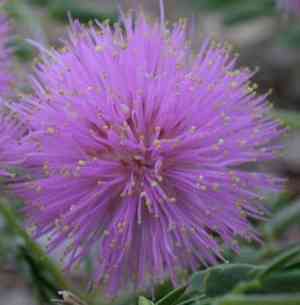
The aromatic mimosa, recognized for its perfumed pink blossoms and spiny stalks, flourishes when correctly trimmed. The ideal period for trimming is in the early spring, right before fresh shoots emerge. Essential methods involve excising deceased or injured limbs to foster more vigorous development and gentle thinning to preserve its form and airflow. Trimming boosts flowering and manages the expansion of the fragrant mimosa, guaranteeing a lively, controllable specimen. Prompt, meticulous trimming encourages a strong blooming period annually.
Advantages of Trimming Fragrant Mimosa
Advantages of Trimming Fragrant Mimosa
Trimming fragrant mimosa encourages robust development and maintains its form. Proper cutting improves air circulation, lessens congestion, and boosts resistance to pests and diseases, ensuring a thriving and attractive plant.
Optimal Period for Pruning Fragrant Mimosa
Optimal Period for Pruning Fragrant Mimosa
Early spring is considered ideal for pruning fragrant mimosa as it aligns with the plant's growth cycle before new shoots emerge. Pruning at this time helps shape the plant, remove any dead or damaged limbs, and promote healthier, more vigorous growth. Additionally, pruning prior to the blooming season ensures the plant's energy is directed towards producing abundant and vibrant flowers. This timing helps reduce potential stress on the plant and minimizes the risk of diseases or pests that might target fresh cuts in warmer periods.
Necessary Tools for Pruning Fragrant Mimosa
Hand Pruners
Perfect for smaller branches and precise cuts. Utilize bypass pruners to prevent stem damage.
Loppers
Crucial for thicker branches that hand pruners cannot manage. Select loppers with extended handles for enhanced leverage.
Pruning Saw
Required for mature, tougher branches. A foldable saw is both convenient and effective.
Hedge Shears
Useful for shaping and trimming multiple branches simultaneously, maintaining its desired form.
How to Prune Fragrant Mimosa
Sanitize Tools
Clean and disinfect all pruning implements with a solution of one part bleach to nine parts water to prevent disease transmission.
Remove Diseased Leaves
Inspect fragrant mimosa for any ailing leaves. Cut these leaves off at their base using sharp, clean scissors or pruning shears to stop disease spread.
Remove Withered Leaves
Check for dried or shriveled leaves. Snip these off close to the stem to enhance the overall health and appearance of fragrant mimosa.
Cut Dead Branches
Identify and prune any dead branches back to the main stem or a healthy lateral branch, making cuts at a 45-degree angle to encourage proper healing.
Prune Diseased Branches
Locate any branches exhibiting signs of illness. Carefully remove these branches, cutting at least 6 inches below the affected area to ensure complete removal of the diseased tissue.
Common Pruning Errors with Fragrant Mimosa
Over-pruning
A frequent mistake is removing too much foliage, which can stress fragrant mimosa and impede its growth and flowering potential.
Pruning at the wrong time
Despite excluding the best season, choosing an inappropriate time within the identified period can harm fragrant mimosa and reduce blooming.
Incorrect cutting techniques
Using dull or dirty shears can result in jagged cuts that make fragrant mimosa vulnerable to disease and pest infestations.
Ignoring dead or diseased wood
Failing to remove dead or diseased branches can hinder fragrant mimosa's healthy growth and spread disease to the rest of the plant.
General Pruning Advice for Fragrant Mimosa
Use sharp, clean tools
Always sterilize and sharpen your pruning tools before use to ensure clean cuts that promote faster healing and reduce disease risk for fragrant mimosa.
Remove crossing branches
Cutting away branches that cross or rub against each other will prevent wounds and improve airflow, reducing the risk of disease for fragrant mimosa.
Follow the natural shape
To maintain fragrant mimosa's natural beauty and improve its structure, prune to enhance its natural form rather than forcing it into an unnatural shape.
Thin out crowded areas
Strategically remove branches to allow light and air to penetrate the canopy, which helps fragrant mimosa produce more flowers and reduces the chances of fungal infections.



