How to Transplant Crocodile fern?
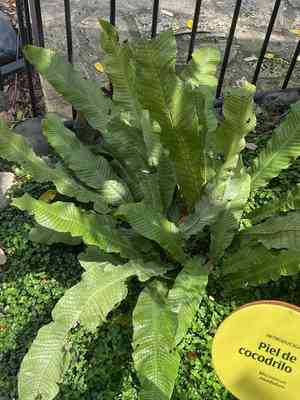
The optimal period for relocating crocodile fern extends from the onset of early spring through the peak of late spring, facilitating vigorous development. Select a shaded location featuring damp, adequately draining earth. Exercise caution with the roots to avoid harm, encouraging a smooth acclimation.
Essential Preparations Before Relocating Crocodile Fern
Optimal Timing for Moving Crocodile Fern?
The perfect window for relocating crocodile fern is when winter's chill recedes but summer's intense heat hasn't yet arrived. During this gentle transition, moderate temperatures and increasing daylight offer ideal conditions for your crocodile fern to settle into a new spot and begin establishing its root system. Shifting pots or garden areas at this time allows your plant to recover from transplant shock under the most favorable weather, promoting vigorous growth. It's a comfortable period where crocodile fern can gradually adapt without the harsh extremes of colder or hotter months.
Required Spacing Between Crocodile Fern Plants?
When moving your crocodile fern, ensure each plant has sufficient room to thrive. An approximate spacing of 15-18 inches (38-45 cm) between plants is optimal. This prevents your crocodile fern from competing for nutrients and space.
Best Soil Blend for Crocodile Fern Relocation?
Your crocodile fern will flourish in well-draining soil rich in organic material. Before transplanting, incorporate a mild, slow-release fertilizer to give your crocodile fern a strong start. Aim for a pH that is slightly acidic to neutral (5.5 to 7).
Where to Position Your Crocodile Fern After Relocation?
For the healthiest crocodile fern, select a new location that is shielded from direct sunlight. A spot with filtered light or indirect illumination will replicate the crocodile fern's natural rainforest environment, keeping it vibrant and lush.
Equipment Needed Before Transplanting Crocodile Fern?
Gardening Gloves
To safeguard your hands while handling soil and crocodile fern.
Spade or Shovel
For excavating the plant and preparing the new planting site.
Pruning Shears
To trim any damaged roots or foliage as necessary.
Watering Can or Hose
For hydrating crocodile fern before and after the move.
Wheelbarrow or Garden Cart
To transport crocodile fern to its new position.
Organic Mulch
To help maintain soil moisture post-transplant.
Trowel
For precise adjustments when placing crocodile fern in its new spot.
How to Extract Crocodile Fern from its Current Location?
How to Extract Crocodile Fern from its Current Location?
From Ground: Start by watering crocodile fern to loosen the surrounding soil. Carefully dig around the plant using a spade or shovel, taking care not to harm the root ball. Gently lift the plant from the ground, keeping the root ball intact.From Pot: Water the plant thoroughly beforehand. Turn the pot on its side, hold the plant by its base, and tap the bottom to dislodge it. Carefully slide crocodile fern out of the pot, preserving the root ball.From Seedling Tray: Water the tray to facilitate easy removal. Gently separate crocodile fern from its compartment, supporting the root ball to prevent root damage.
Detailed Steps for Transplanting Crocodile Fern
Plant Preparation
Water crocodile fern thoroughly a few hours prior to transplanting to minimize shock.
Root Ball Care
When removing crocodile fern from its original spot, keep as much of the root ball intact as possible.
Hole Preparation
Dig a hole in the ground where crocodile fern will be transplanted, ensuring it's twice as wide as the root ball to allow roots to spread.
Placing crocodile fern
Position crocodile fern in the hole at the same depth it was previously growing and gently backfill with soil, avoiding air pockets around the roots.
Watering After Transplant
Water crocodile fern generously after transplanting to settle the soil and provide hydration.
Mulching
Apply organic mulch around crocodile fern, but not touching its base, to help retain soil moisture and regulate temperature.
Post-Transplant Care for Crocodile Fern
Watering
Water crocodile fern deeply to encourage new root development, then regularly to maintain consistent soil moisture.
Monitoring
Observe crocodile fern for signs of stress, such as wilting or yellowing leaves, and adjust care as needed.
Staking
If crocodile fern is large or in a windy location, provide support with a stake until it is well-established.
Pruning
Remove any damaged or dead foliage to direct crocodile fern's energy towards new growth.
Resolving Common Issues with Crocodile Fern Relocation.
When is the best time to move crocodile fern?
The ideal period spans from early spring to its peak, typically from early March to late June.
What spacing should I use for crocodile fern when transplanting?
Allow a generous distance of 15-18 inches (38-46 cm) between each plant to ensure ample room for growth.
How do I prepare the soil for moving crocodile fern?
Enrich the soil with organic compost, ensuring it drains well yet retains moisture, suiting crocodile fern's preference.
What's the optimal depth for planting crocodile fern rhizomes?
The rhizomes should be placed just beneath the soil surface, ensuring they are covered but not deeply buried.
Can I transplant crocodile fern on a rainy day?
Yes, overcast conditions with light rain can be perfect, as the soil moisture aids crocodile fern in settling in effectively.
What's the best way to water crocodile fern after transplanting?
Water gently at the base to settle the soil around the roots, avoiding excessive saturation or waterlogging.
How much sun does crocodile fern require after transplanting?
Position crocodile fern in filtered sunlight or partial shade to mimic its natural tropical environment.
Should I fertilize crocodile fern immediately after transplanting?
Wait a few weeks before applying a diluted, balanced liquid fertilizer to allow crocodile fern time to establish roots.
Why are my transplanted crocodile fern's leaves turning yellow?
This could indicate stress, possibly from too much sun or water. Ensure its environment replicates its native humidity.
How do I manage root-bound crocodile fern during transplantation?
Gently untangle the roots without causing damage, allowing them to spread in their new location.



